Learn how the water cycle shapes the daily lives of the Pantanal’s animals and discover the best months to observe the impressive flora and fauna of this unique biome.
If you're planning a Pantanal Trip Unforgettable—the first question you should ask is: when to go? The largest wetland ecosystem on the planet isn’t governed by the traditional seasons, but rather by the impressive water cycle. It’s this pulse of nature that dictates where the animals of the Pantanal will be and like the exuberant fauna and flora The location will behave as expected.
The Golden Rule: Dry Season vs. Flood Season
For those seeking frequent sightings and close encounters with wildlife, understanding the transition between the dry season and the rainy season makes all the difference when it comes to observing the animals of the Pantanal and photograph the metamorphosis of the fauna and flora Pantanal.
| Station | Period | Featured Animals of the Pantanal | Status of Fauna and Flora |
|---|---|---|---|
| Dry (Best for Safari) | May through October | Jaguars, giant otters, tapirs, and alligators | Shallow waters, open vegetation, high concentration around the rivers |
| Ebb (Transition) | April and May | Waterfowl, anteaters, and deer | Fauna and Flora refreshed, green fields, and fish trapped in the reservoir |
| Flood (Rising Waters) | December through March | Tuiuiús in their nests, capybaras, and migratory birds | Monumental reflecting pool, aquatic vegetation at the peak of its bloom |
The Dry Season (May through October): The Peak of Wildlife Viewing
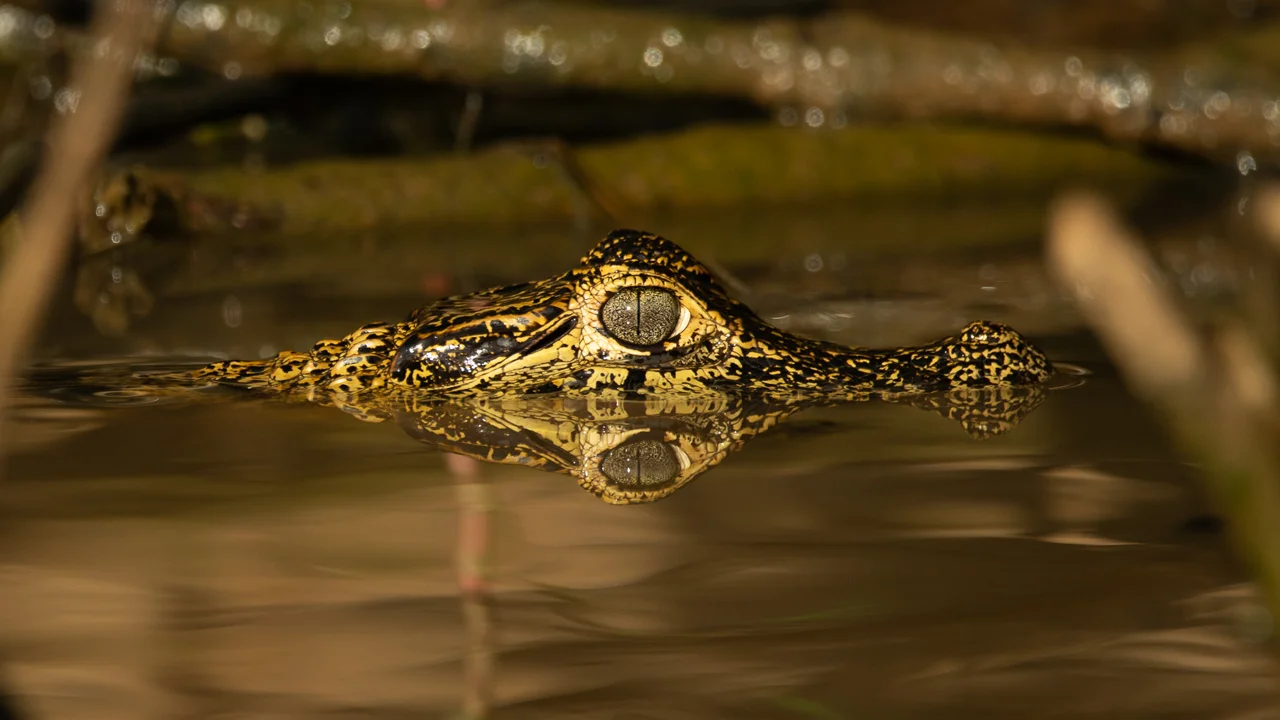
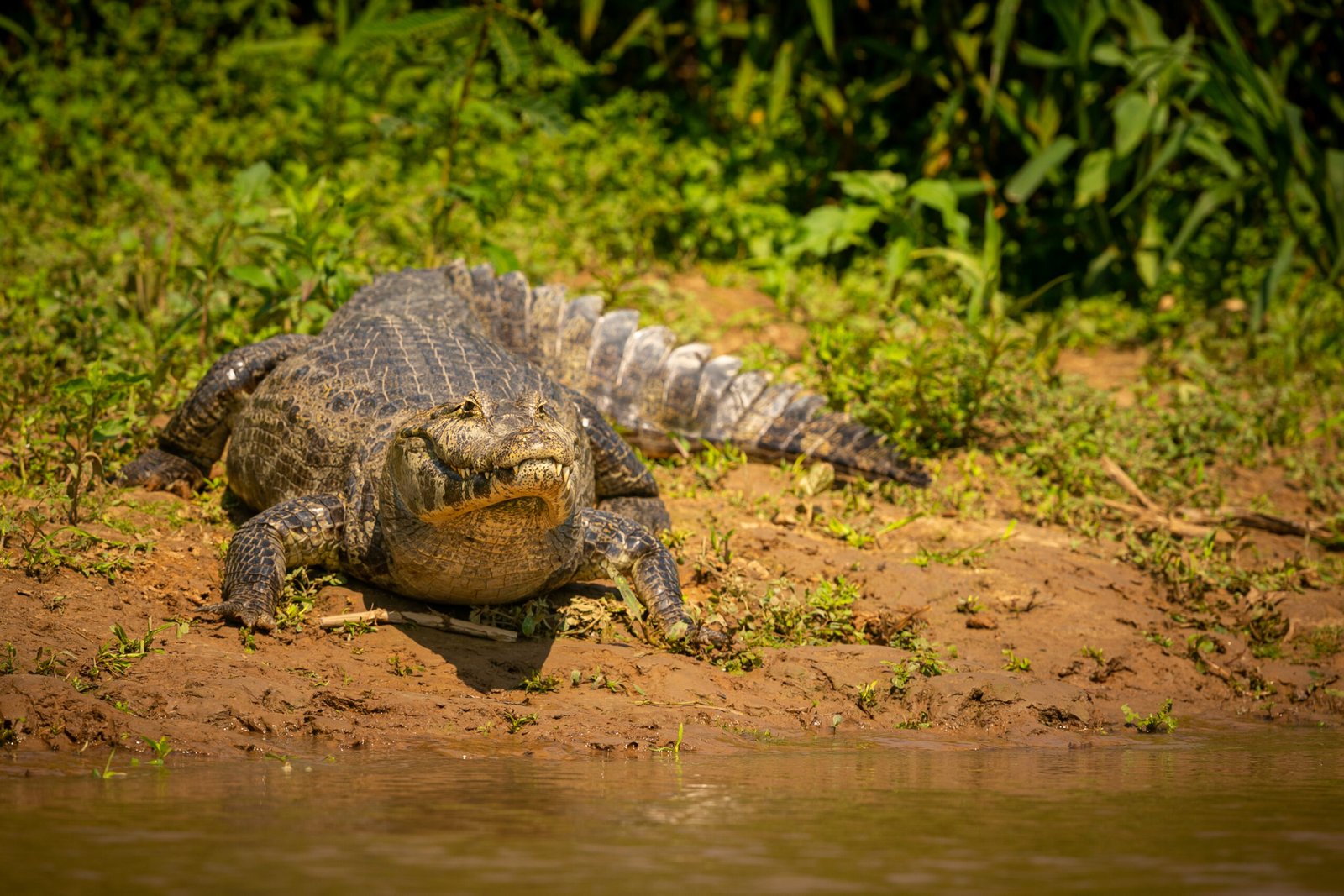
Without a doubt, the dry season is considered the perfect time to find the most sought-after animals of the Pantanal. As the temporary ponds dry up, the main rivers become the only places for the animals to drink and hunt. It is during this time that the fauna and flora They offer a spectacle unlike any other: hundreds of alligators gather on the sandbars, and apex predators, such as the jaguar, patrol the riverbanks in full view of everyone.
In addition to big cats, the receding water makes it easier to spot tree-dwelling species and agile mammals, such as the acrobatic capuchin monkey and the peaceful flocks of capybaras. With the vegetation less dense, visibility for photographing the fauna and flora reaches its peak.
The Wet Season (December through March): Nature's Rebirth
Although large mammals retreat to higher elevations (“mountain ranges”) during the flood season, this period reveals a poetic beauty unlike any other. The fauna and flora They are transformed: the fields become an endless sea of crystal-clear water teeming with Victoria amazonica and flowering aquatic plants.
For birdwatchers, the flood is a blessing. It’s the time when iconic birds such as the tuiuiú They build their monumental nests, and thousands of herons, spoonbills, and tuiuiús bring the skies to life. Watching the animals of the Pantanal It takes on a contemplative and unique atmosphere, ideal for boat trips.
💡 Safari wisdom
If your main goal is to photograph the majestic jaguar and the large mammals that inhabit the legendary animals of the Pantanal, schedule your trip between **July and October**. If you're looking for mirror-like landscapes and the peak of life in the fauna and flora At the aviary, the start of the year holds some magical moments.
Come and experience the wildlife of the Pantanal!
Choose the perfect time and enjoy an unforgettable immersive experience guided by experts in the amazing fauna and flora Pantanal.