




Exploring the impressive Pantanal fauna and flora is a life-changing experience for any ecotourist. However, when we think about dangers in the wild, most people focus solely on apex predators, completely forgetting about native vegetation.
First of all, it is worth noting that toxic mechanisms are not deliberate attacks, but rather evolutionary defense strategies. For example, many plants developed complex chemical compounds just to avoid being eaten by herbivores. Consequently, accidental contact or ingestion can cause severe health issues for unaware hikers.
As a result, this educational guide was created to ensure your safety on the trails. Below, we present four remarkable poisonous plants from the biome and essential tips on how to identify them and avoid accidents.
Erva-de-Rato (Cafezinho): The Disguised Danger
First of all, the erva de rato (popularly known as cafezinho) is extremely dangerous in the region. In addition, it produces fruits that closely resemble coffee beans, which easily attracts the curiosity of inexperienced hikers.
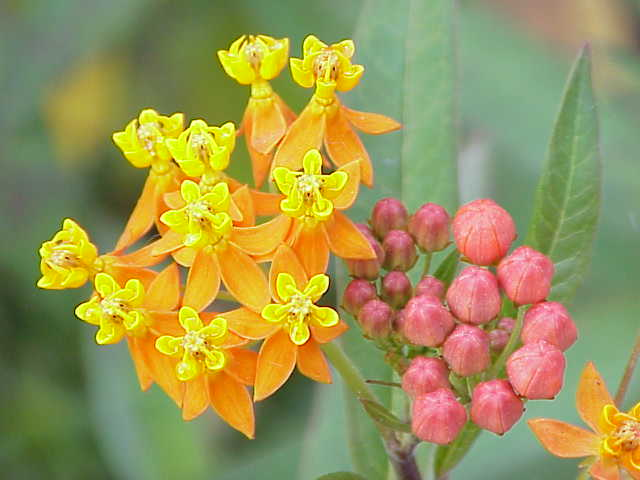
Characteristics and Precautions:
- First, extremely high toxicity: Ingesting just a few leaves or fruits can cause sudden heart failure in cattle and humans.
- Furthermore, rapid lethality: The active compound directly affects the nervous and cardiac systems. Therefore, intoxication is a severe medical emergency.
- Consequently, the golden rule: Never taste unknown wild fruits during ecological hikes.
Espichadeira: A Silent Risk to Animals and Humans
Second, the espichadeira (Solanum glaucophyllum) is a toxic plant thriving in wetland areas. Indeed, it is infamous for causing severe tissue calcification in cattle, but human contact also requires extreme caution.
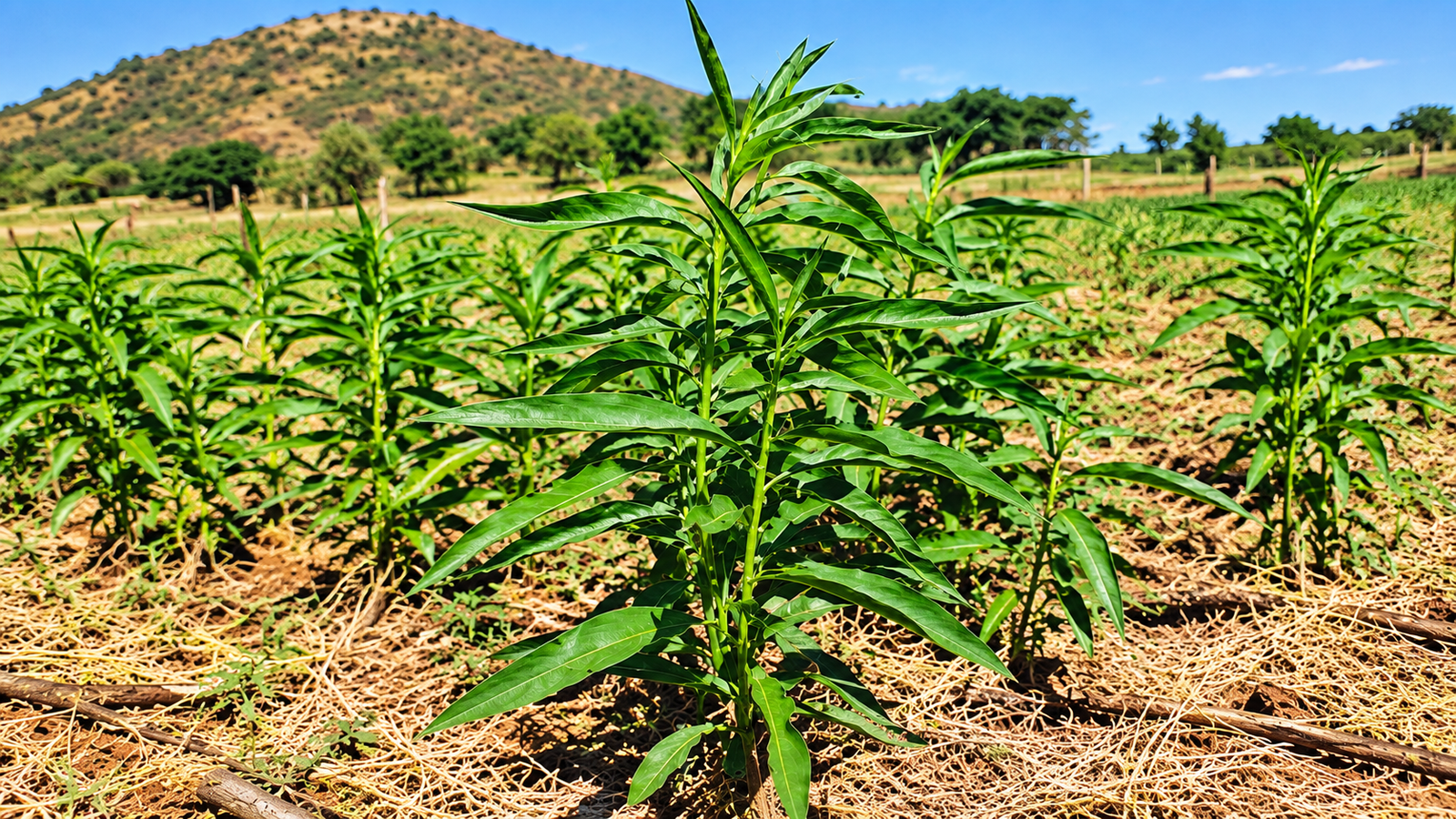
Characteristics and Precautions:
- First, calcium imbalance: The plant possesses high concentrations of a Vitamin D-like substance, forcing the body to absorb excess calcium.
- In addition, tissue hardening: Consequently, arteries and tendons can calcify rapidly.
- Finally, avoid manipulation: When spotting this spiky, dull-leaved plant on riverbanks, maintain your distance and avoid accidental scratches.
Orelha-de-Macaco: The Imposing and Toxic Tree
Third, the orelha de macaco (also known as monkey-ear tree) is a towering, majestic plant. However, its peculiar ear-shaped seed pods house toxic chemical compounds known as saponins.
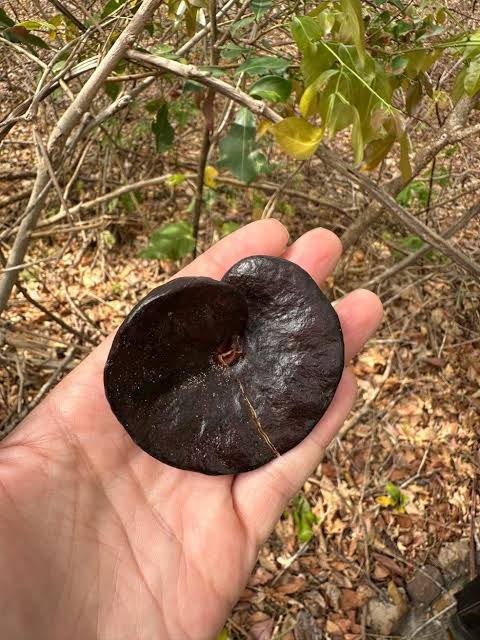
Characteristics and Precautions:
- First, foaming action: Saponins create a toxic lather when they come into contact with water and mucous membranes.
- Furthermore, gastrointestinal issues: Accidental ingestion of the pods causes severe nausea and intense gastric irritation.
- Therefore, visual protection only: Enjoy the majestic shade of the tree, but never chew or rub its fallen pods on your skin.
Mandioca-Brava: How to Tell It Apart from Edible Cassava?
Finally, in fourth place, the wild cassava (mandioca-brava) demands extreme attention. After all, it is visually identical to the safe table cassava (yuca) that we consume daily, but it possesses lethal chemical defenses.
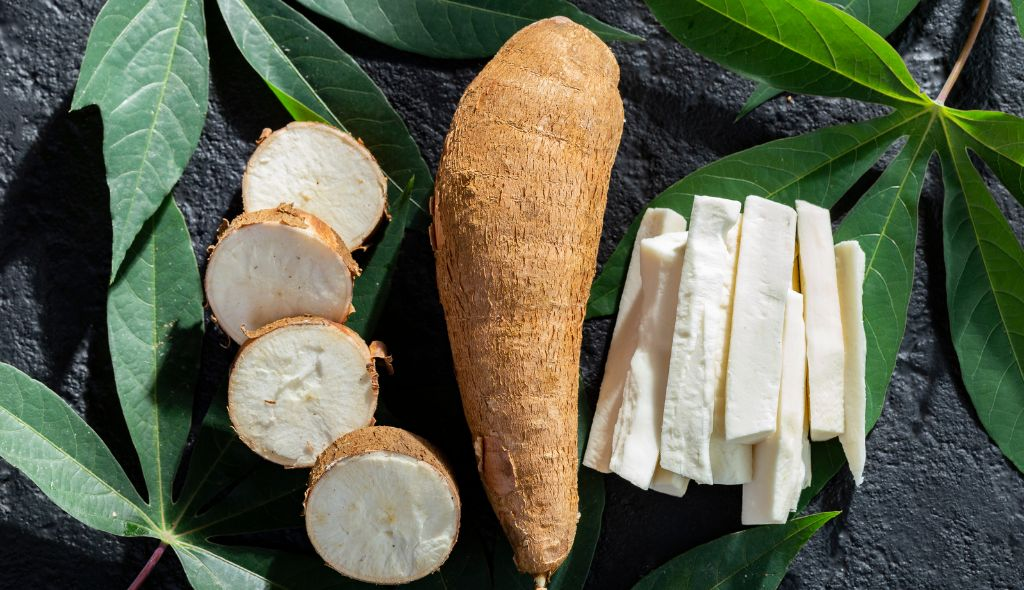
Comparison and Risk Prevention:
- First, the cyanide danger: Wild cassava contains extremely high levels of hydrocyanic acid (cyanide), a lethal poison. In contrast, edible table cassava has virtually zero levels of it.
- Furthermore, visual impossibility: Consequently, it is impossible to differentiate the toxic root from the edible one just by looking at the peel or foliage.
- Therefore, processing is mandatory: Wild cassava only becomes safe for consumption after undergoing extreme fermentation, pressing, or continuous prolonged boiling to produce flour.
- For this reason, never forage and roast: During treks, never pick wild roots to roast over a campfire, as misidentification is fatal.
💡 Golden Tip for Safe Ecotourism
The best way to admire the Pantanal fauna and flora is to follow the basic rule of ethical ecotourism: “Take only pictures, leave only footprints.” After all, touching, smelling, or chewing native plants without an expert guide’s approval can ruin your trip. On our safaris, you will learn everything about local botany with total safety!
Explore the Pantanal with Expert Guides!
Want to unlock the secrets of medicinal plants and avoid toxic ones during unforgettable ecological hikes?