


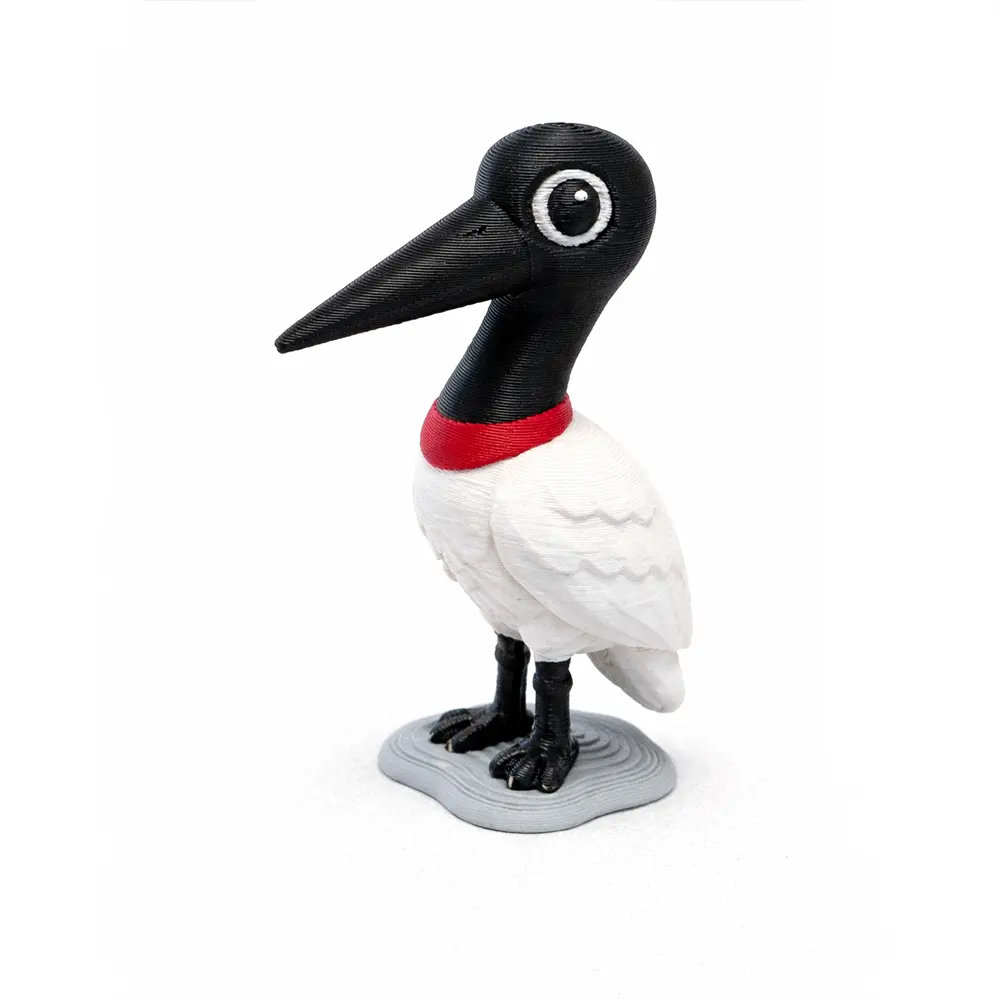
Winged Majesty: Discover the impressive biological engineering behind the curassow, the giant sovereign bird of the flooded plains.
If there is one image that captures the grandeur of the landscapes of the Pantanal, is the silhouette of a tuiuiú (Jabiru mycteria) perched in its monumental nest. Also known as the jabiru, this long-legged bird of prehistoric proportions is the official symbol of the biome and a key biological indicator of the region’s environmental health.
- Its wingspan reaches up to 2.60 meters.
- Elastic red collar for thermoregulation.
- Fixed nests reused by several generations.
- Shorter wingspan, around 1.50 meters.
- The neck and head are completely featherless and dark.
- Hunts in large, dense colonies (families).
Giant Anatomy and Hunting Habits
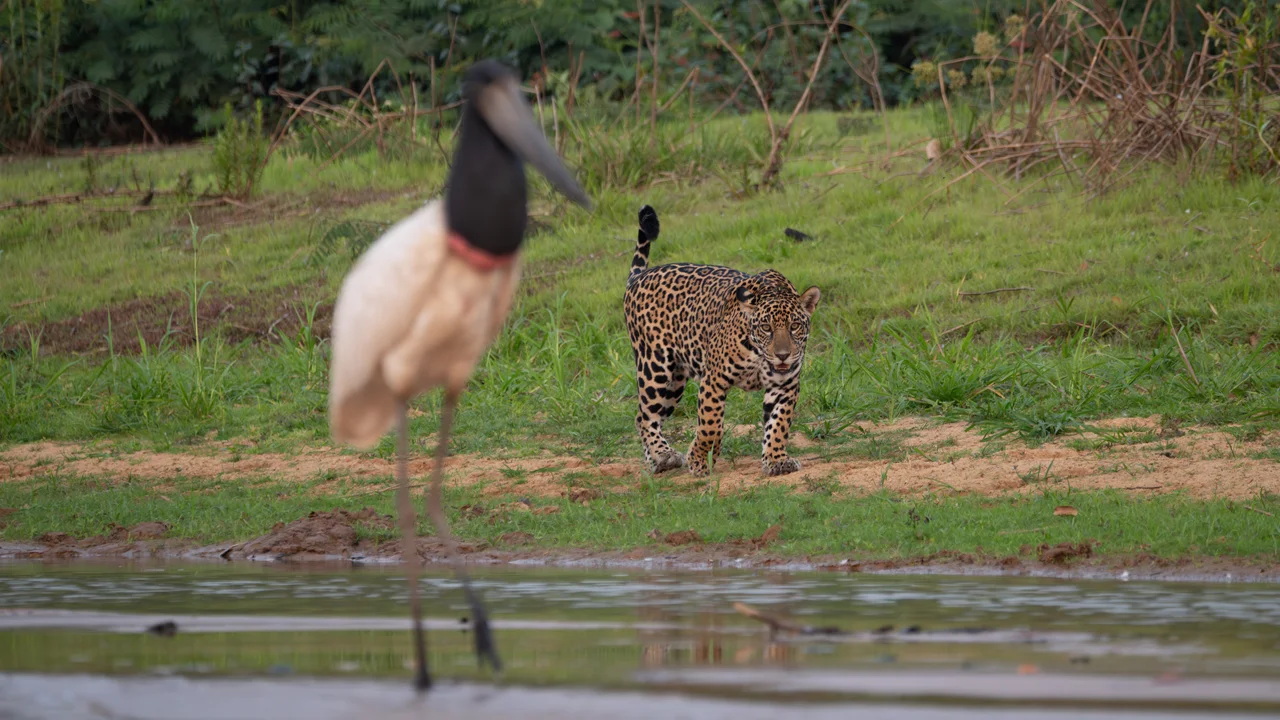
O tuiuiú It makes an impressive first impression: it can grow over 1.40 meters tall. Its long, black, slightly upturned beak is a surgical tool for catching fish, mollusks, and amphibians in shallow waters. During seasonal droughts, they patrol temporary ponds, often feeding on species abundant in the region, such as the piranha, working in the population control of aquatic fauna.
The Largest Nests in South America
The reproductive architecture of the tuiuiú It’s a sight to behold. They build their nests at the tops of the tallest trees, such as the piúva (ipê) and canjiqueiro trees. Made of thick branches and lined with grass, these structures are expanded year after year by the same monogamous pair, reaching over 1.5 meters in diameter. Data cataloged on the ornithology portal WikiAves They point out that these nests are so sturdy that, after the breeding season, they serve as shelter for other smaller birds and even small mammals.
The Red Parrot and Social Behavior
The striking red band at the base of the curassow’s neck is not merely for aesthetic purposes. It is an area of bare, highly vascularized skin that swells when the bird is excited or to aid in heat dissipation on the hottest days of the Pantanal. When the parents return to the nest, they perform a ritualistic dance by tapping their beaks together, a rhythmic sound that echoes across the savanna and strengthens the flock’s family bonds.
💡 Safari wisdom
The puppies of tuiuiú They are born with soft, pure white feathers, which darken to a grayish hue before they reach adulthood. In our wildlife safaris, ...spotting these colossal nesting structures in action between July and October is one of the most thrilling and rewarding experiences on the itinerary.
How to visit the Pantanal?
Yara eco-safari has tours dedicated to exploring the fauna and flora of the region. Pantanal, focusing on the ethical observation of species in their natural habitat.
Our team combines in-depth knowledge of lowland ecosystems with the logistics of a high-end eco-safari, ensuring your comfort and safety at every stage of the itinerary.
Choose your exclusive itinerary:
Winged Majesty: Discover the impressive biological engineering behind the curassow, the giant sovereign bird of the flooded plains.
If there is one image that captures the grandeur of the landscapes of the Pantanal, is the silhouette of a tuiuiú (Jabiru mycteria) perched in its monumental nest. Also known as the jabiru, this long-legged bird of prehistoric proportions is the official symbol of the biome and a key biological indicator of the region’s environmental health.
- Its wingspan reaches up to 2.60 meters.
- Elastic red collar for thermoregulation.
- Fixed nests reused by several generations.
- Shorter wingspan, around 1.50 meters.
- The neck and head are completely featherless and dark.
- Hunts in large, dense colonies (families).
Giant Anatomy and Hunting Habits
O tuiuiú It makes an impressive first impression: it can grow over 1.40 meters tall. Its long, black, slightly upturned beak is a surgical tool for catching fish, mollusks, and amphibians in shallow waters. During seasonal droughts, they patrol temporary ponds, often feeding on species abundant in the region, such as the piranha, working in the population control of aquatic fauna.
The Largest Nests in South America
The reproductive architecture of the tuiuiú It’s a sight to behold. They build their nests at the tops of the tallest trees, such as the piúva (ipê) and canjiqueiro trees. Made of thick branches and lined with grass, these structures are expanded year after year by the same monogamous pair, reaching over 1.5 meters in diameter. Data cataloged on the ornithology portal WikiAves They point out that these nests are so sturdy that, after the breeding season, they serve as shelter for other smaller birds and even small mammals.
The Red Parrot and Social Behavior
The striking red band at the base of the curassow’s neck is not merely for aesthetic purposes. It is an area of bare, highly vascularized skin that swells when the bird is excited or to aid in heat dissipation on the hottest days of the Pantanal. When the parents return to the nest, they perform a ritualistic dance by tapping their beaks together, a rhythmic sound that echoes across the savanna and strengthens the flock’s family bonds.
💡 Safari wisdom
The puppies of tuiuiú They are born with soft, pure white feathers, which darken to a grayish hue before they reach adulthood. In our wildlife safaris, ...spotting these colossal nesting structures in action between July and October is one of the most thrilling and rewarding experiences on the itinerary.
How to visit the Pantanal?
Yara eco-safari has tours dedicated to exploring the fauna and flora of the region. Pantanal, focusing on the ethical observation of species in their natural habitat.
Our team combines in-depth knowledge of lowland ecosystems with the logistics of a high-end eco-safari, ensuring your comfort and safety at every stage of the itinerary.
Choose your exclusive itinerary: