



Observing monkeys in the Pantanal It offers truly unforgettable moments for nature photography enthusiasts and ecotourists alike. As the world’s largest tropical wetland, the Pantanal is home to vibrant wildlife communities where primates play a vital ecological role.
Among native species, capuchin monkeys stand out for their impressive agility and problem-solving intelligence. During our boat safaris, guests often watch these primates moving through the tree canopies and descending all the way to the riverbanks.
Furthermore, encountering wild primates along tropical river channels offers exciting photo opportunities. Read this comprehensive guide by Yara Eco Safari to understand capuchin monkey behavior and capture stunning wildlife photographs in the field!
The Remarkable Agility of Capuchin Monkeys on Riverbanks
While on river safaris, observing monkeys in the Pantanal It instantly catches your attention with its bold acrobatic maneuvers along steep riverbanks. Capuchin monkeys have powerful limbs, dexterous hands, and a semi-prehensile tail that provides stability on thin branches.
Consequently, these primates climb steep roots and vertical banks with remarkable speed. In the short video embedded above, you can see this very display of physical prowess as a capuchin monkey searches for food near the water's surface.

Another fascinating aspect is their natural curiosity. Unlike more elusive wildlife, capuchin monkeys often calmly watch safari boats, giving wildlife photographers valuable time to frame their shots and fine-tune their camera settings.
Foraging Behavior and Primate Intelligence
Capuchin monkey intelligence is widely studied by biologists and wildlife researchers around the world. These primates are known for using natural tools, such as heavy stones to crack open hard palm nuts like acuri, and sturdy sticks to extract insects from hollow tree trunks.
Moreover, their diet is remarkably varied and adaptable. They feed on seasonal wild fruits, fresh shoots, seeds, bird eggs, and small invertebrates. This dietary flexibility ensures that primate troops remain active and healthy throughout the year in the wetland.
Therefore, when observing monkeys in the Pantanal During your safari, keep your lens focused on their interactions. Photographers frequently capture rich social moments, including food sharing among troop members and tender parental care.
Where to Find Primates on a Pantanal Photo Safari
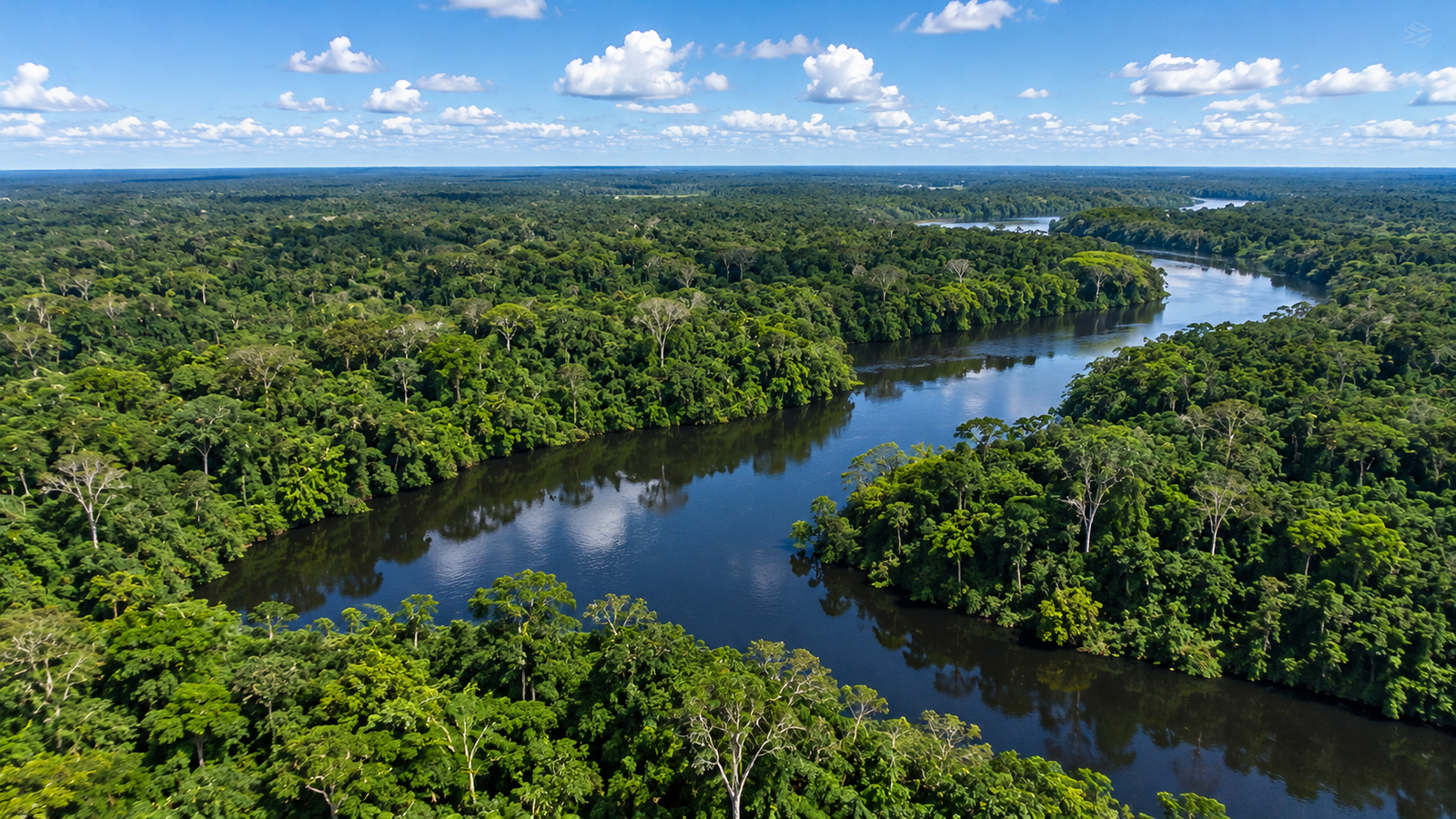
Riparian forests along the Cuiabá, Piquiri, and São Lourenço rivers provide ideal habitats for large primate troops. Fruiting trees and exposed root systems attract the troops daily as they search for fresh food and water.
To learn more about wildlife conservation efforts in protected natural areas, visit the official website of ICMBio. These protected reserves preserve critical habitats for iconic wetland species.
Practical Photography Tips for Fast-Action Shots
Photographing fast-moving wildlife in dense foliage or along riverbanks requires specific camera setups. Here are key technical recommendations from our expert photo guides:
- High Shutter Speed: Use a shutter speed of at least 1/1000s to capture acrobatic leaps and swift root-climbing action.
- Continuous Autofocus (AF-C / AI Servo): Track moving animals continuously to keep the focus sharp on their eyes and facial features.
- Versatile Telephoto Lenses: Zoom lenses such as the 100-400mm or 200-600mm offer ideal flexibility for reframing fast-moving action.
If you'd like to experience a customized expedition focused on wildlife photography with first-class VIP hospitality, check out our Private Essential Safari and get ready for an extraordinary adventure.
💡 WILDLIFE SUMMARY
Capuchin monkeys in the Pantanal display extraordinary acrobatic skills as they climb vertical roots and vegetation hanging over the riverbank. This agility allows them to forage safely near the water and easily escape land predators during safari boat expeditions!
Come Photograph Pantanal Wildlife With Us!
Book your spot on our photography expeditions and capture incredible moments in the wild with Yara Eco Safari: