

Learn how the water cycle affects wildlife behavior and discover the best months to see the stunning flora and fauna of this natural paradise.
If you're planning an unforgettable Pantanal Travel When planning this experience, the very first question to ask is: when to go? The world’s largest tropical wetland is not governed by standard calendar seasons, but by a dramatic hydrological flood cycle. This natural rhythm dictates where Animals of the Pantanal gather and how the rich local fauna and flora bloom all year round.
The Golden Rule: Dry Season vs. Wet Season
For visitors looking to encounter wildlife frequently, understanding the transition between the dry and wet seasons is essential for spotting iconic Animals of the Pantanal and photograph the changes fauna and flora landscape.
| Season | Months | Key Animals to Spot in the Pantanal | Fauna and Flora Conditions |
|---|---|---|---|
| Dry Season (Best for Safaris) | May through October | Jaguars, giant otters, tapirs, caimans | Low water levels, open terrain, and dense clusters of animals along riverbanks |
| Receding Waters (Transition) | April to May | Waterbirds, anteaters, marsh deer | Lush green fields, renewed fauna and flora, an abundance of trapped fish |
| Wet Season (Flooding) | December through March | Nesting jabirus, capybaras, and water birds | Mirror-like bodies of water, water lilies in full bloom |
The Dry Season (May through October): Peak Wildlife Viewing
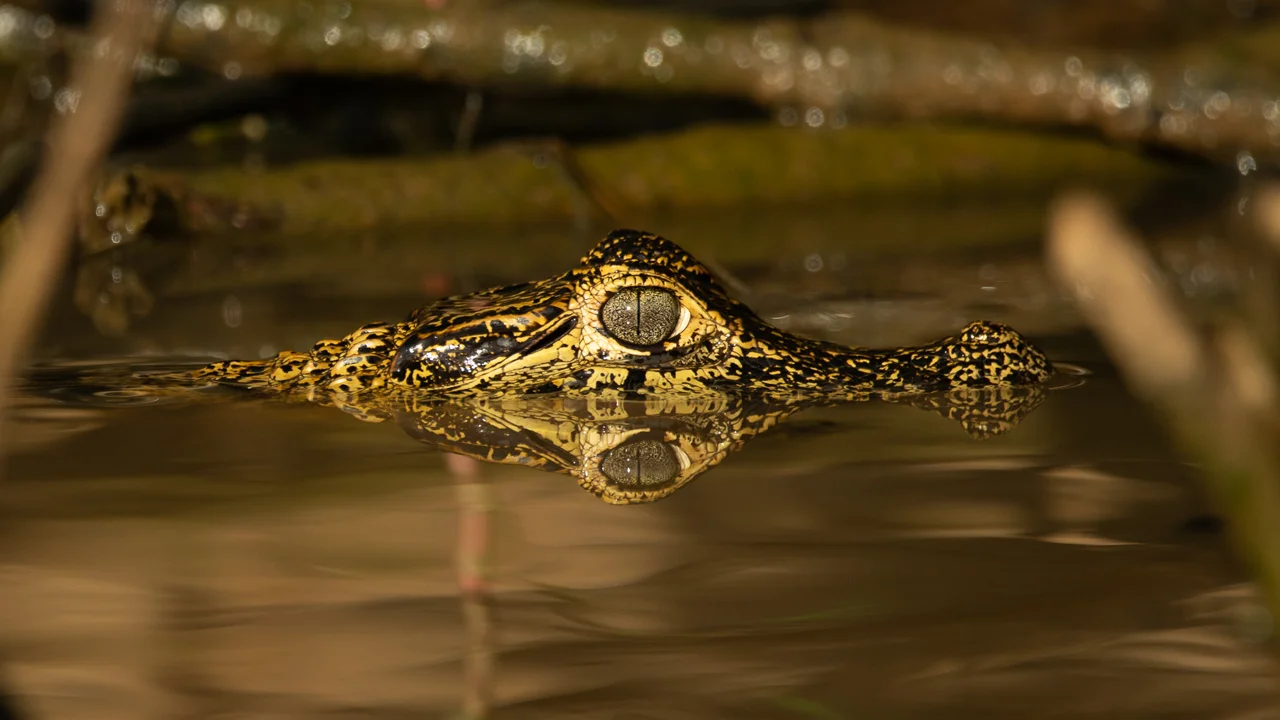
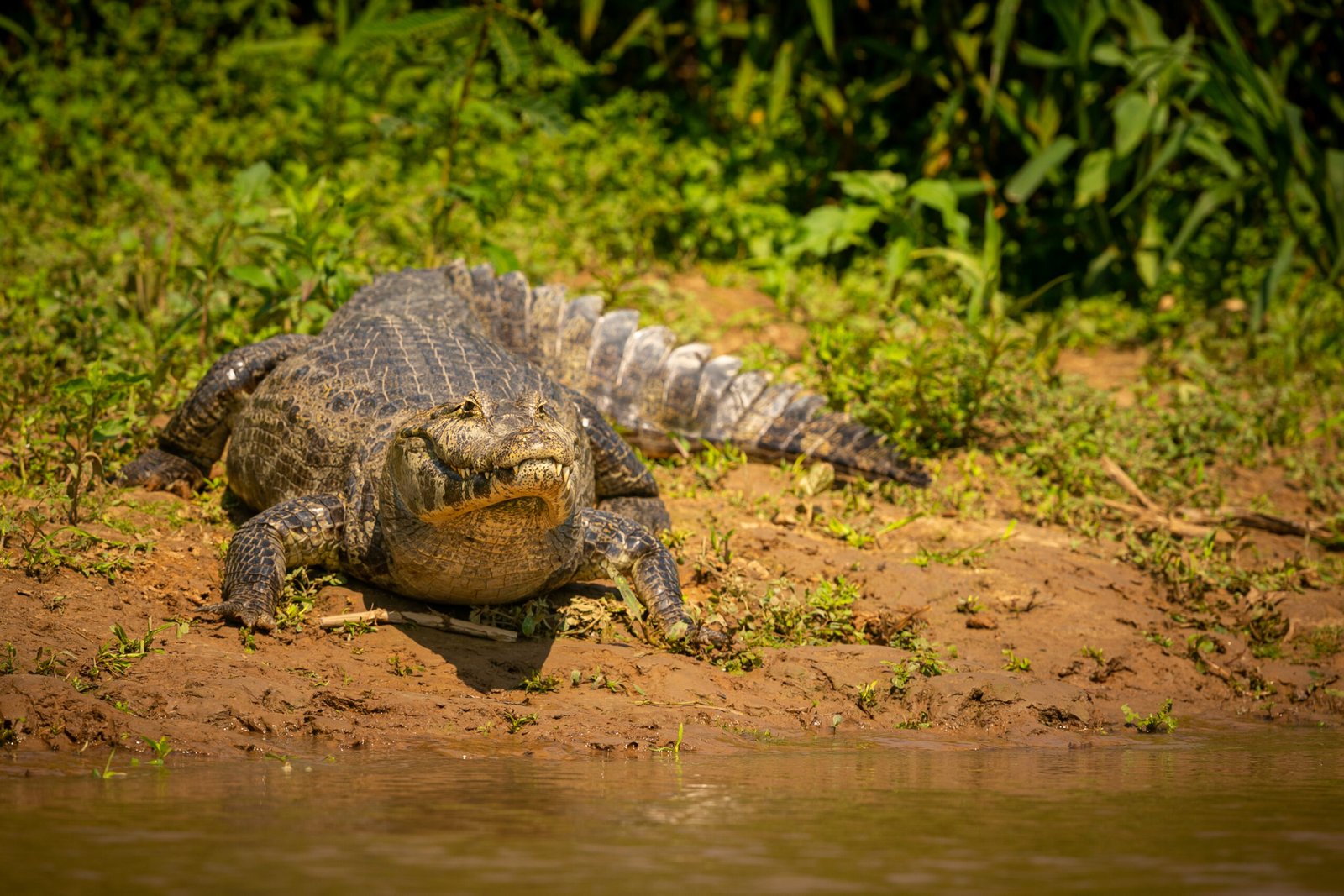
Without a doubt, the dry months offer the best opportunity to spot iconic Animals of the Pantanal. As the temporary lagoons dry up, the main river channels become the only source of water. This is when the region’s fauna and flora offer an unparalleled spectacle: hundreds of caimans sunbathe on open beaches while apex predators like jaguars patrol the riverbanks in plain view.
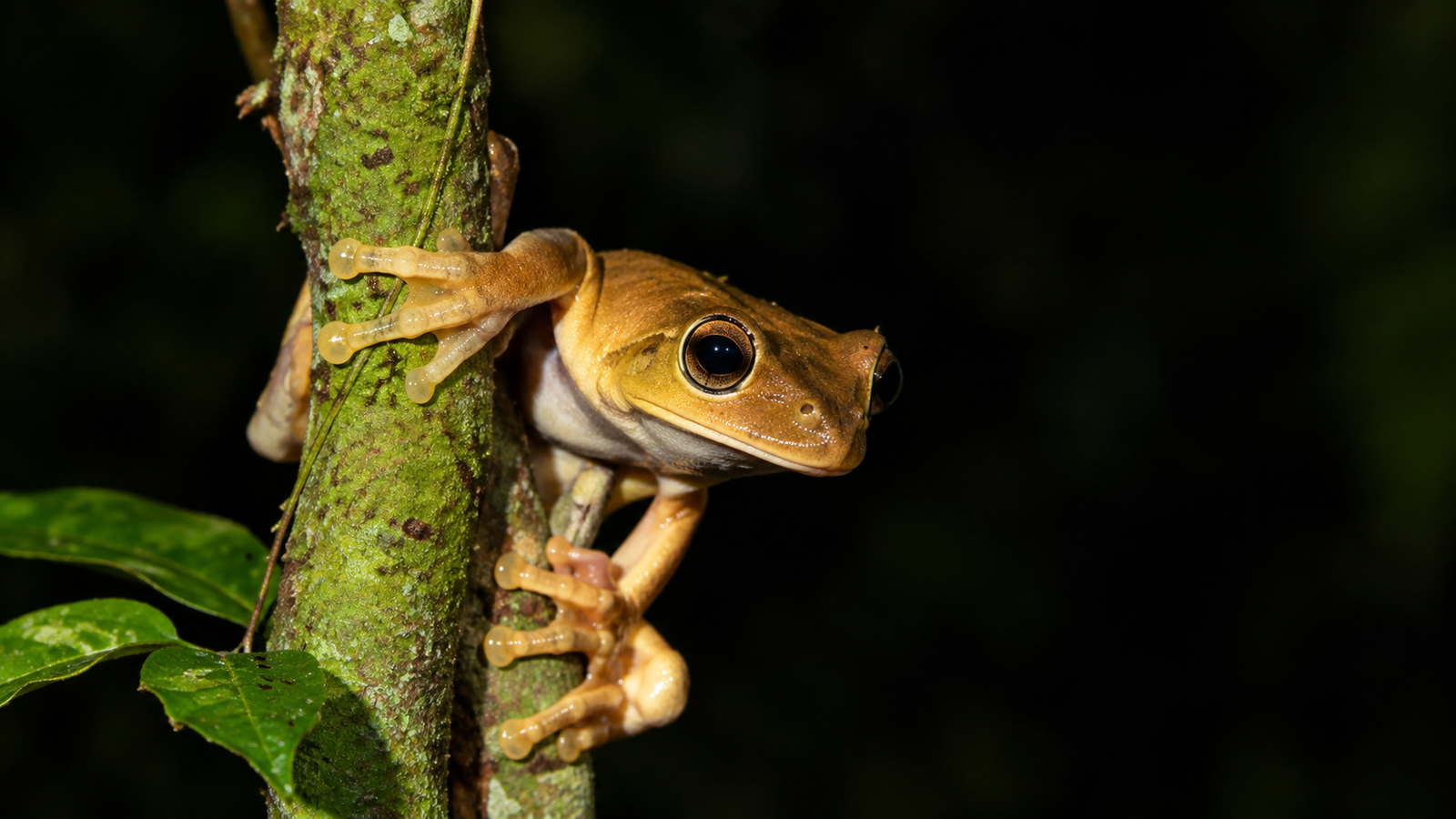
Beyond big cats, thinned vegetation makes it much easier to photograph tree-dwelling creatures like agile capuchin monkeys and herds of relaxed capybaras. Clear visibility ensures world-class opportunities to capture pristine fauna and flora photos.
The Wet Season (December through March): Nature’s Rebirth
Although large mammals retreat to elevated dry areas (“cordilheiras”) during floods, this period offers breathtaking scenery. The local fauna and flora transform completely: savannas turn into endless, crystal-clear bodies of water dotted with water lilies and blooming vegetation.
For birdwatching enthusiasts, the rainy season is pure paradise. Iconic species like the giant Jabiru stork build massive nests, while flocks of herons and spoonbills fill the skies. Observing Animals of the Pantanal becomes a peaceful, boat-centered journey through flooded wilderness.
💡 Safari Wisdom
If your main goal is to photograph jaguars and large land mammals in legendary Animals of the Pantanal, book your expedition between **July and October**. If you prefer mirror-like waters and the absolute peak of birdwatching fauna and flora, the early months offer magical, quiet adventures.
Experience the Incredible Wildlife of the Pantanal!
Choose the best time of year and experience an unforgettable expedition led by local experts fauna and flora.