


If there is one place in Brazil where nature still reigns supreme, it is the Pantanal. This world of scents, sounds, and aquatic cycles mesmerizes anyone who visits it. Understanding its wild logic and the dynamics of its waters is almost a test of humility for human beings.
In this comprehensive guide to the Yara Eco Safari, let's explore the heart of this fascinating biome. We'll discuss opportunities for sustainable ecotourism, conservation challenges, and show why this is the best destination in the Americas for wildlife viewing.

Where Is the Brazilian Pantanal Located?
Contrary to what many people think, the Pantanal It is not just a continuous swamp, but rather a floodplain steppe. According to official Brazilian geographic data published in the SciELO, the region covers a vast area ranging from 147,574 to 150,355 km².
Most of it lies within the states of Mato Grosso (Northern Pantanal) and Mato Grosso do Sul (Southern Pantanal), and also extends into border areas in Bolivia and Paraguay. This vast plain of sandy soils supports robust vegetation and changes seasonally as the Paraguay River and its tributaries overflow their banks.
The Diversity of Ecosystems in the Pantanal
Traveling across this plain means passing through several “subregions.” The terrain determines where water accumulates, creating striking visual mosaics:
- Riparian Forests: Gallery forests that line the banks of rivers, which are essential for providing shelter to wildlife.
- Campos Alagados: Floodplains that are submerged during the flood season, dominated by aquatic plants.
- Mountain Ranges and Woodlands: Elevated areas of land that do not flood, serving as vital land-based refuges during floods.
- Bays and Salt Flats: Depressions that form lakes rich in nutrients and fish.
Fauna of the Pantanal: The Greatest Wildlife Spectacle
Conduct a trip to the Pantanal It guarantees a face-to-face encounter with one of the largest concentrations of wildlife on the planet. According to data from the ICMBio, the Upper Paraguay River Basin is home to more than 650 species of birds, 102 mammals, 177 reptiles, and nearly 300 species of fish.
The Biome's Most Iconic Animals
The abundance of food and the open landscape make it easier to observe species that would be impossible to track in dense forests like the Amazon. Among the highlights are:
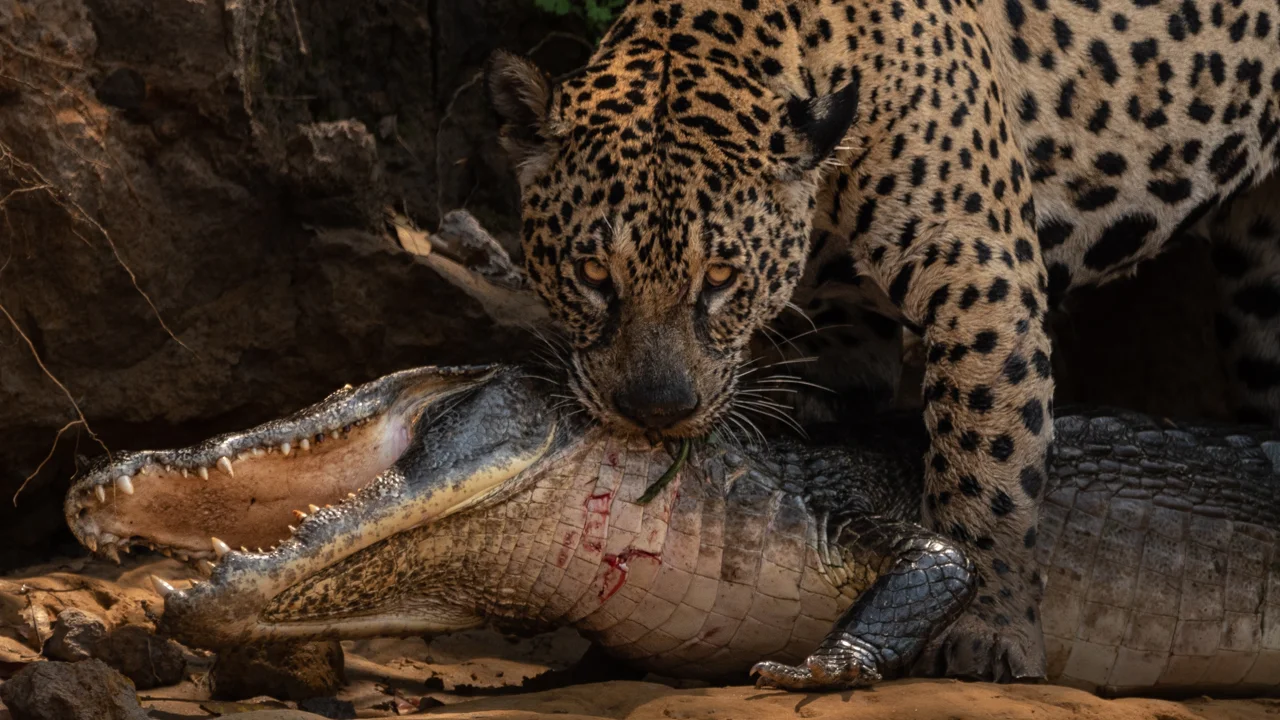
- Jaguar: The top predator of the Americas. The Northern Pantanal is home to the world’s highest population density of this majestic feline. Read more on our Comparison of Cats.
- Jabiru: The region's symbolic bird, known for its monumental nests built in the treetops of the piúva trees.
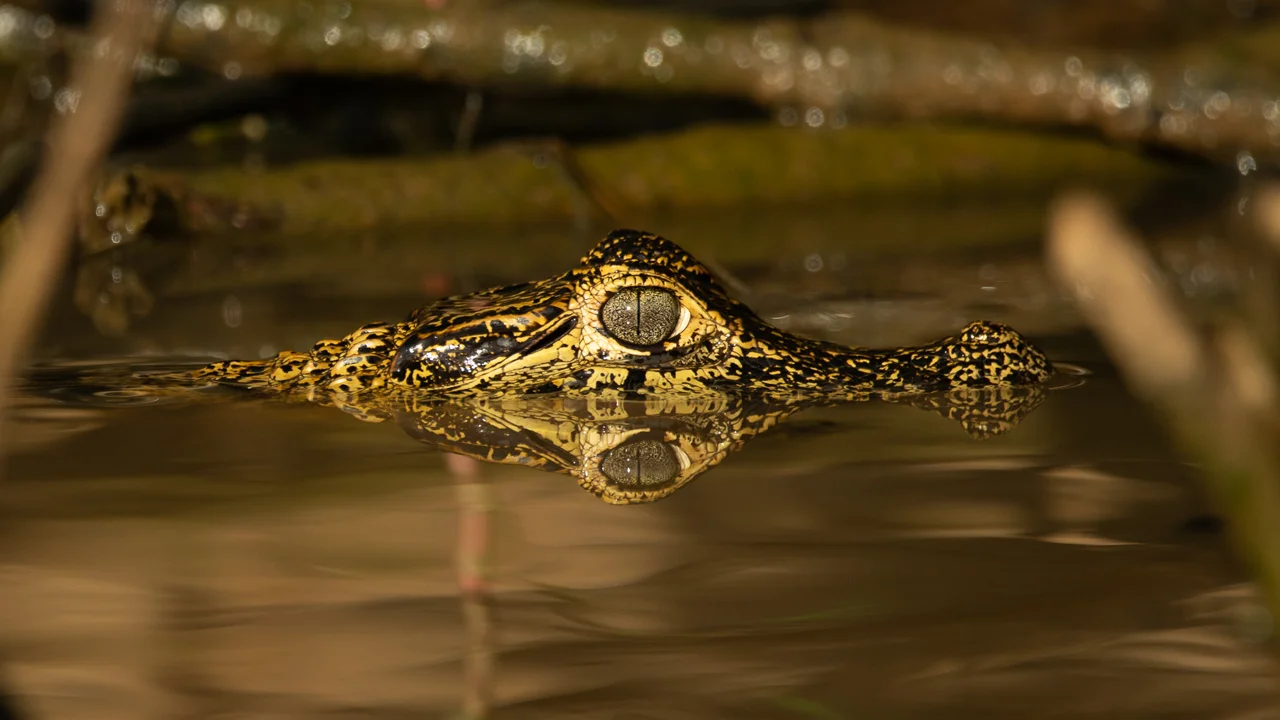
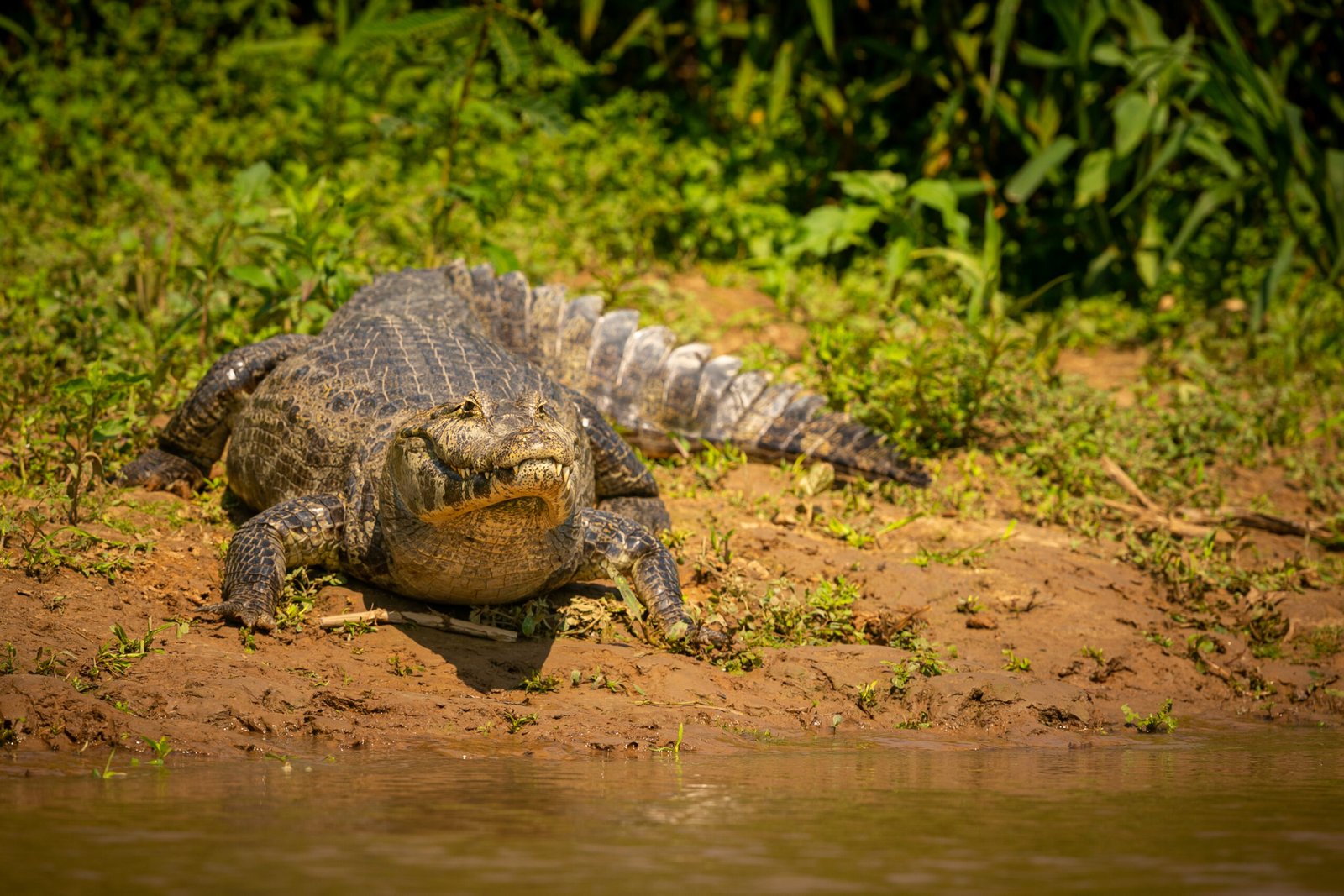
- Pantanal Alligator: With an estimated population of 10 million individuals, they dominate the banks of rivers and bays.
- Giant otter: Known as “river wolves,” they form noisy family groups that are highly efficient at fishing.
- Capybara and Pantanal Deer: The large herbivores that roam the plains and wetlands.
The Water Cycle: Drought and Flooding in the Pantanal
To understand the dynamics of the region, it is crucial to know that there are no traditional four seasons, but rather two key phases: the dry season and the flood season.
Dry Season (May through October)
This is the perfect time for ecotourism and safaris. As the plains dry up, the remaining rivers and waterholes become the only sources of water, forcing mammals and reptiles to gather along their banks. It is the best time to spot animals in the Pantanal, especially jaguars.
Flood Season (November through April)
The rains transform the countryside into an ocean of crystal-clear water dotted with Victoria amazonica. Mammals migrate to the highlands (mountain ranges), but the landscape becomes a spectacle of aquatic plants, and the sky is dominated by birds during the breeding season.
💡 Biome Conservation
Despite its grandeur, the Pantanal It is under intense pressure. Practices such as illegal deforestation in the headwaters of rivers and the recent historic wildfires threaten the delicate flow of the waters. Supporting sustainable tourism is one of the most direct ways to keep this sanctuary alive, as it demonstrates economically that the standing forest is worth more than one that has been cleared.
Ecotourism in the Pantanal: Travel Sustainably
Sustainable ecotourism is the key to protecting wildlife. Join Yara Eco Safari on photo safaris and ethically-minded tours, helping to fund the conservation of the biome and support local communities.
Frequently Asked Questions (FAQ) About the Pantanal
It is one of the largest contiguous floodplains on the planet. A Brazilian biome characterized by a seasonal cycle of floods and droughts, it is home to unique biodiversity and serves as a gigantic natural freshwater reservoir.
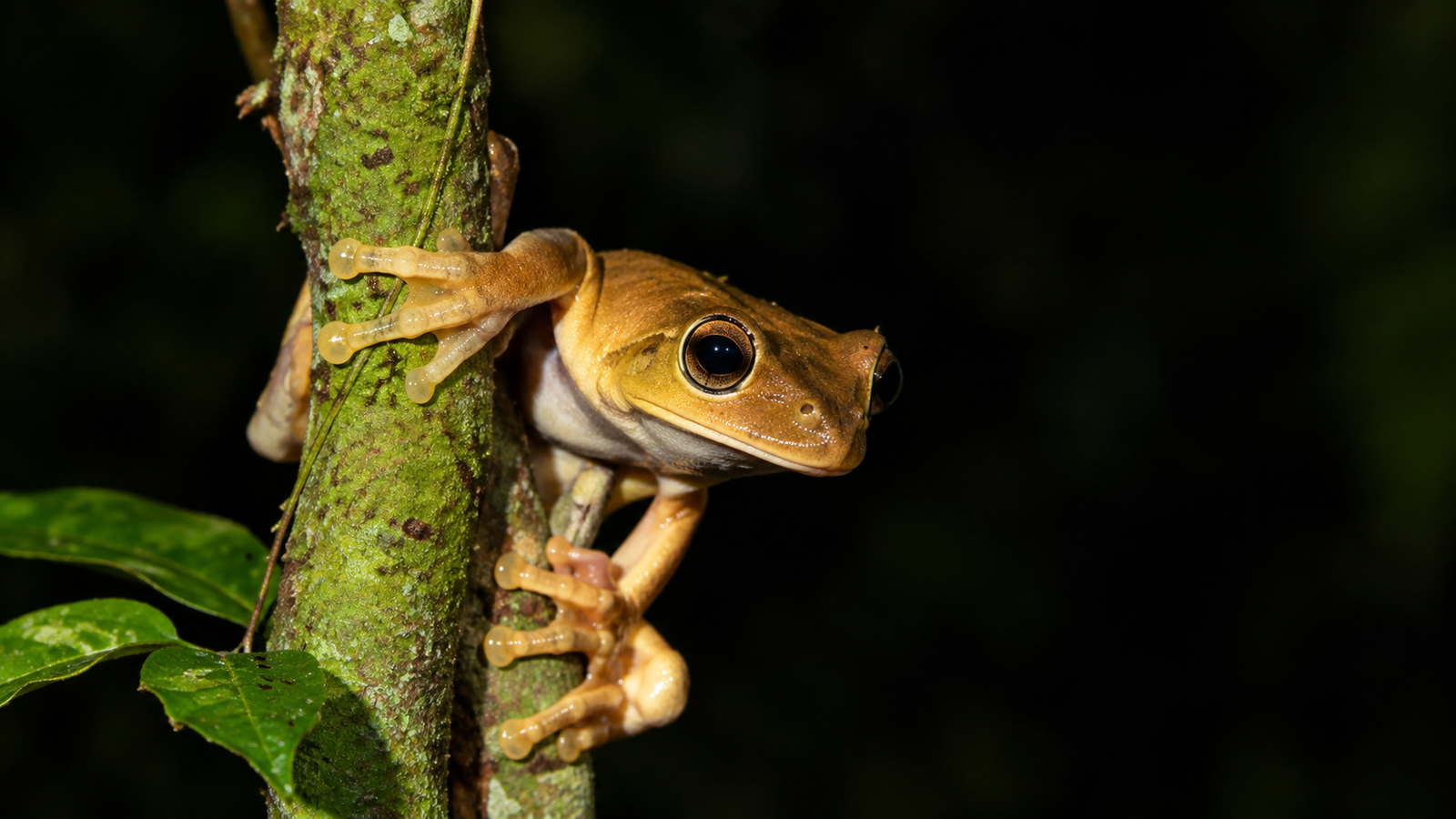
The most iconic species include the jaguar, the tuiuiú, the Pantanal caiman, the hyacinth macaw, the tapir, the giant otter, and the capybara. The biome is world-famous for how easily and frequently these animals can be spotted in the wild.
The main air gateways are the city of Cuiabá (MT), which provides access to the Transpantaneira Highway in the Northern Pantanal, and Corumbá/Campo Grande (MS), which provide access to the Estrada Parque and the Southern Pantanal.
Absolutely. Guided safaris led by professionals on boats or in 4×4 vehicles are the most immersive, safe, and sustainable way to explore the area and ensure incredible sightings of big cats and rare birds.