



The Pantanal, one of the world’s largest tropical wetlands, is a true treasure of global biodiversity. With its vast waterways and lush vegetation, this ecosystem is home to a fascinating array of wildlife that captivates researchers and nature lovers from every corner of the globe.
From majestic caimans to colorful birds and rare mammals, discovering the animals of the Pantanal is a unique experience that reveals the raw power of wildlife. In this article, we invite you to dive into this incredible world and meet some of the most impressive species that inhabit the region.
Get ready for a journey through the secrets of the Pantanal's wildlife, where every animal tells a story and plays a vital role in maintaining the ecological balance.
Introduction to the Pantanal and Its Biodiversity
Located primarily in Brazil (spanning Mato Grosso and Mato Grosso do Sul), but extending into Paraguay and Bolivia, the Pantanal is one of the largest continuously flooded areas on Earth. Covering roughly 250,000 km², this region serves as a sanctuary for wildlife, home to an impressive array of biodiversity that includes thousands of plant and animal species.
The combination of complex ecosystems—such as tropical forests, savannas, grasslands, and wetlands—creates a unique habitat where life thrives abundantly. Biodiversity in the Pantanal is a direct result of its geographical and climatic conditions. During the rainy season (November through March), vast areas are flooded, creating the ideal ecosystem for fish, waterbirds, and reptiles. In the dry season (April through October), the waters recede to reveal lush pastures that attract large concentrations of wildlife. This continuous cycle is essential to sustaining local life cycles.

Key Characteristics of the Pantanal's Fauna
Wildlife in the Pantanal is remarkable not only for its species diversity, but also for its sheer population density. This ecosystem is home to one of the highest concentrations of wildlife in the world, making it a world-class destination for photo safaris and nature enthusiasts.
Key highlights of the local fauna include:
- Biome Mosaic: A harmonious coexistence of animals from different biogeographical regions. In the Pantanal, species from the Amazon, the Cerrado, and the Atlantic Forest share the same territory.
- Endemic and Adapted Species: Animals have evolved perfectly to cope with extreme environmental changes.
- Seasonal Adaptation: Brilliant survival strategies developed to thrive through both extreme floods and droughts.
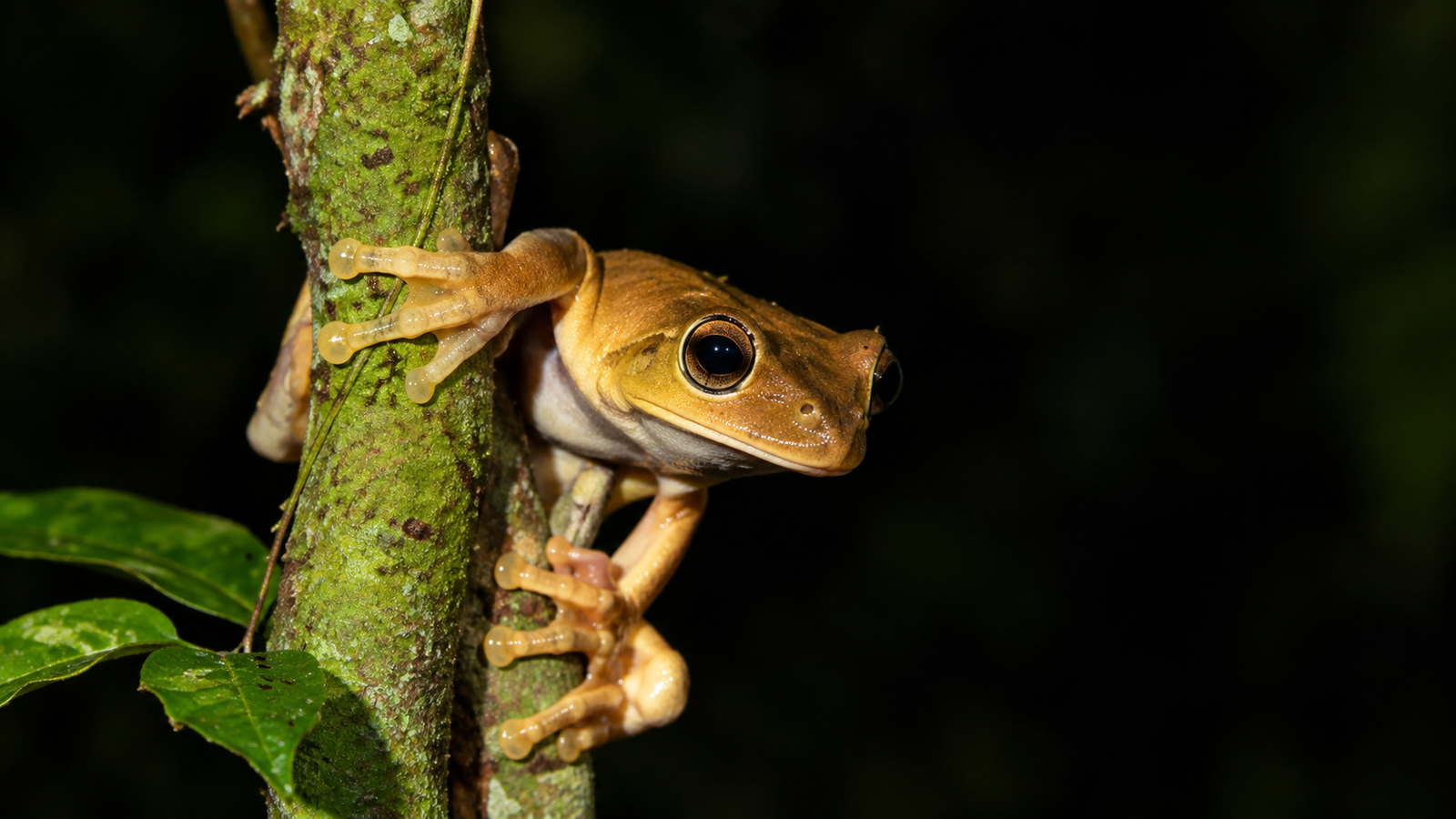
Many species have developed ingenious ways to adapt. Fish migrate to deeper river channels during dry periods and return to flooded meadows to spawn during heavy rains. Mammals such as capybaras and marsh deer have become superb swimmers, moving easily between dry patches and flooded fields.
Mammals of the Pantanal: Iconic Species
Mammals are arguably the main attraction for visitors exploring the wetland. Among these iconic species, the Jaguar (Panthera jaguar) stands out as the undisputed apex predator of the Americas.
In the Northern Pantanal, jaguars find an ideal habitat with abundant prey and wide river channels. Spotting a jaguar in the wild is an unforgettable thrill. As the top predator, its presence indicates an exceptionally healthy ecosystem. Curious about how it compares to other big cats? Check out our Pantanal Jaguar Comparison Guide.
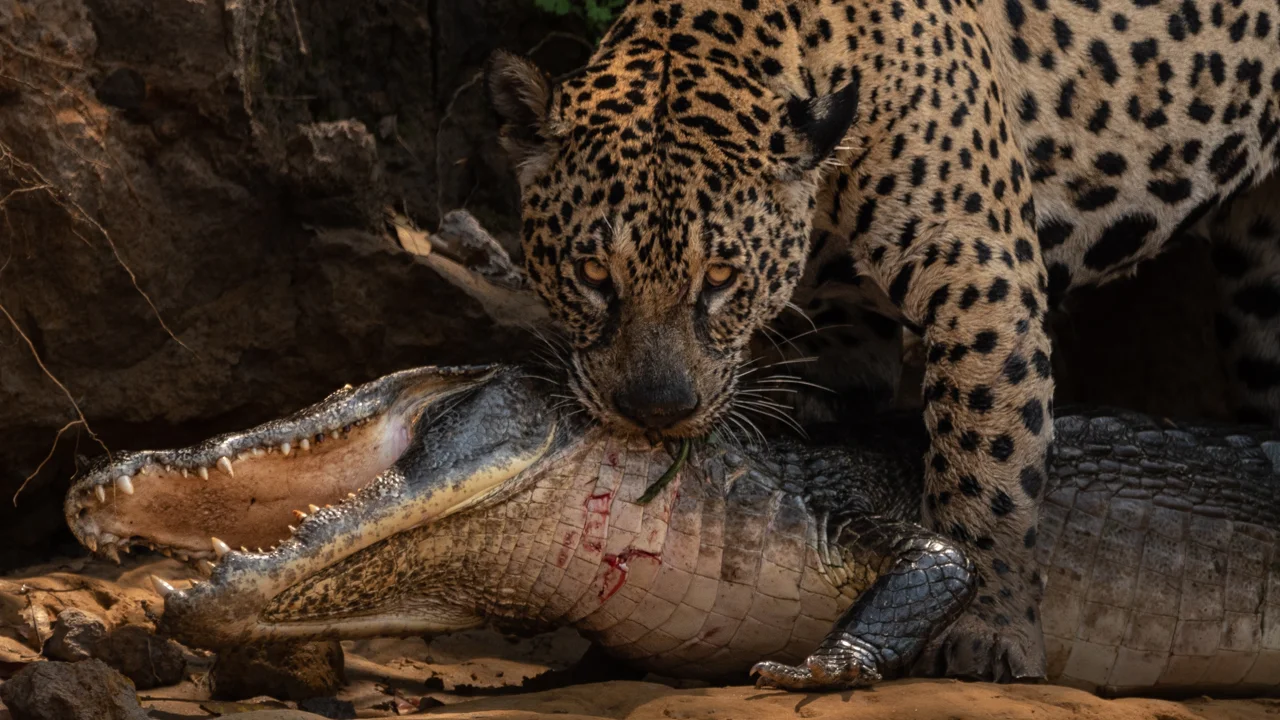
Another remarkable mammal is the South American Tapir (Tapirus terrestris), the continent’s largest land mammal. Mostly nocturnal and solitary, tapirs play a critical ecological role as seed dispersers. The region is also home to giant anteaters, maned wolves, and herds of capybaras.
Birds of the Pantanal: A Birdwatcher’s Paradise
For birdwatching enthusiasts, the region is pure paradise. The biome's iconic bird is the Jabiru Stork (Jabiru mycteria), known locally as Jabiru Stork, recognizable by its massive body, red neck ring, and giant treetop nests.
Another natural wonder is the Hyacinth Macaw (Anodorhynchus hyacinthinus), the world’s largest macaw species. With its striking cobalt-blue plumage, it is a true natural spectacle. Thanks to dedicated conservation efforts supported by organizations such as ICMBio, Hyacinth Macaw populations in the Pantanal have steadily recovered in recent years.
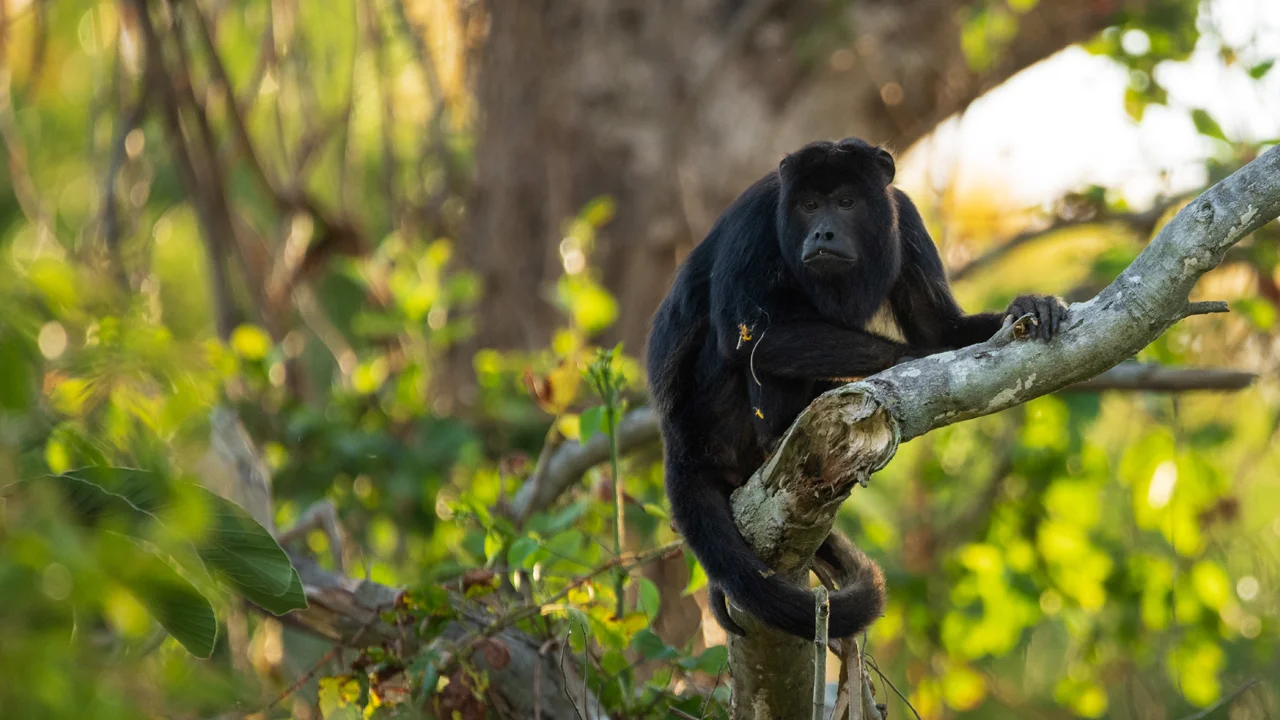
Reptiles and Amphibians: Surprising Inhabitants
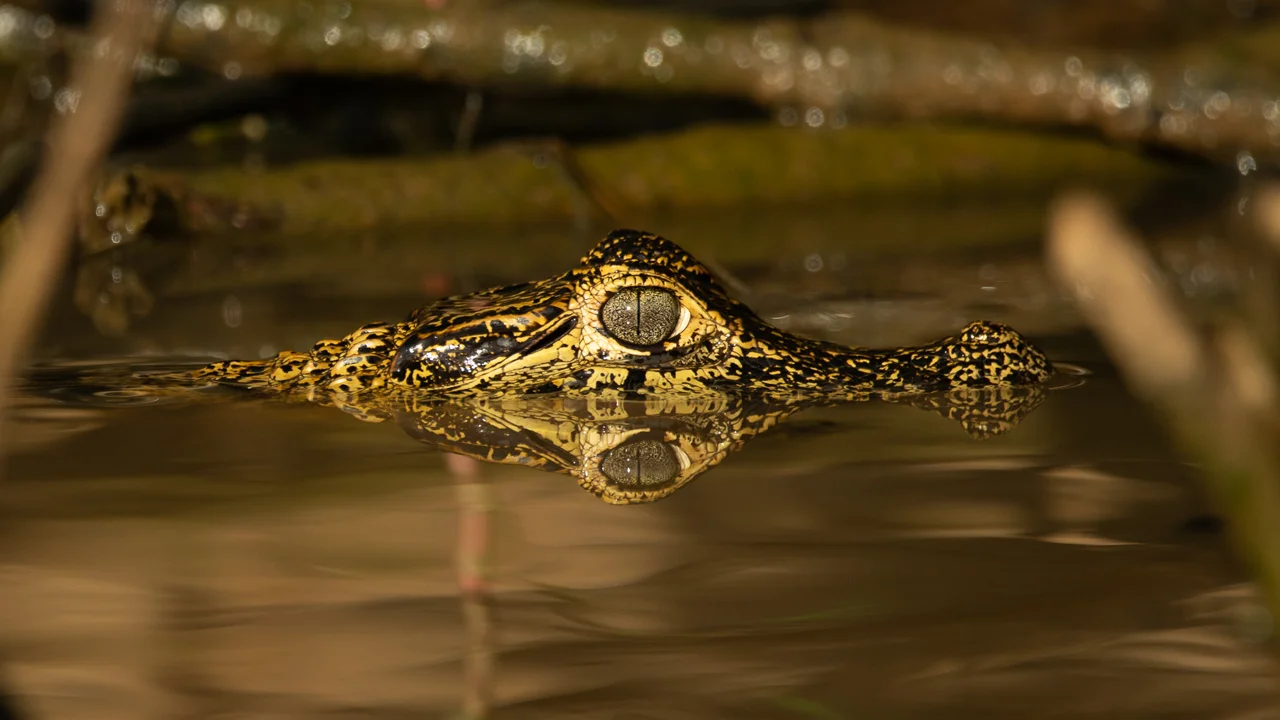
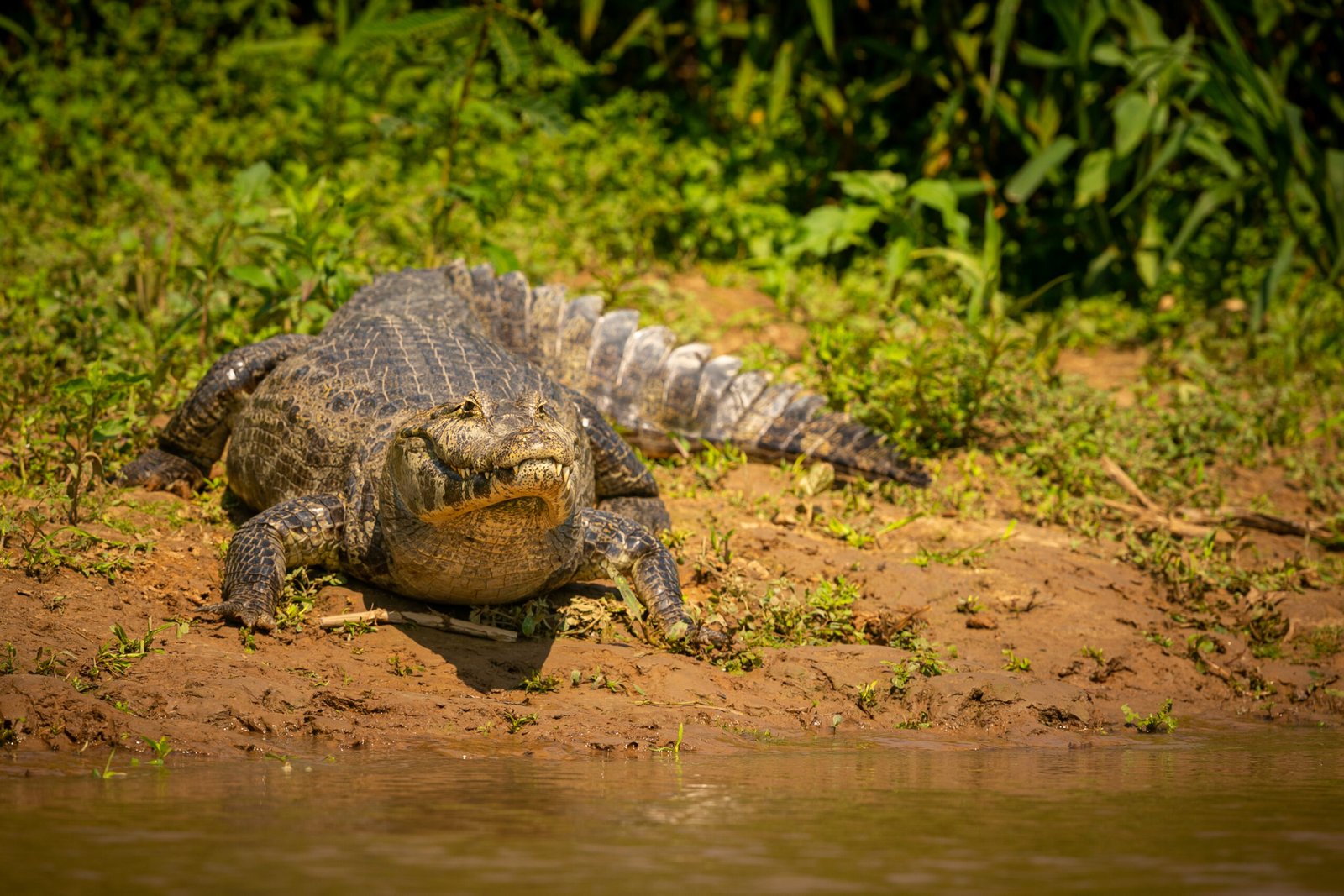
Reptiles play a crucial role in maintaining the ecological balance of the Pantanal ecosystem. The most famous is the Yacare Caiman (Caiman yacare). Found in abundance in river channels and lagoons, caimans help regulate fish populations and keep waterways healthy. It is common to see hundreds of them basking peacefully along sandy shores.
Another formidable species is the Yellow Anaconda (Eunectes notaeus). An expert swimmer, this large constrictor spends much of its time submerged in aquatic vegetation, waiting for prey. Encountering a wild anaconda in its natural habitat inspires absolute awe and respect for nature.
Fish of the Pantanal: Aquatic Diversity
Beneath the water's surface lies incredible aquatic life, with over 260 recorded fish species. During the rainy season, many species undertake annual spawning migrations (spawning season), swimming upstream to reproduce in nutrient-rich flooded areas.
Iconic species include the golden Gold, often dubbed the “king of the river” for its fighting spirit and color, alongside the Pacu. Large catfish such as the pintado and jaú are vital both for sustainable sport fishing and as food sources for top predators such as giant otters and jaguars.
💡 Pantanal Wildlife Conservation
Despite its rich abundance, wildlife in the Pantanal faces ongoing challenges from climate change, wildfires, and deforestation in headwater areas. Establishing protected areas and supporting sustainable ecotourism are the most effective ways to preserve this global heritage. Well-managed tourism proves that living wildlife and intact wetlands generate far greater long-term economic value than land degradation.
Experience the Pantanal's Wildlife Up Close!
Seeing photos is incredible, but witnessing wildlife in person on a safari is unforgettable. Choose your expedition package with Yara Eco Safari and travel sustainably into the heart of South America.