


Plan an expedition to explore ecotourism and the rich the fauna and flora of the Pantanal It's every adventurer's dream. However, when faced with the grandeur of the wild, a question arises: Could these tips save your life in the event of an unexpected encounter?
First of all, it’s worth debunking a major taboo: Wild animals are not aggressive, violent monsters on the hunt for humans. Attacks in the wild are extremely rare and occur almost exclusively as a defensive reaction, in response to being startled, or to protect their young and territory.
This guide was created strictly for educational and awareness-raising purposes. Knowing how to behave protects your physical safety and helps preserve wildlife. Check out our ranking of encounters with 5 remarkable animals below, from the easiest to handle to the most challenging!
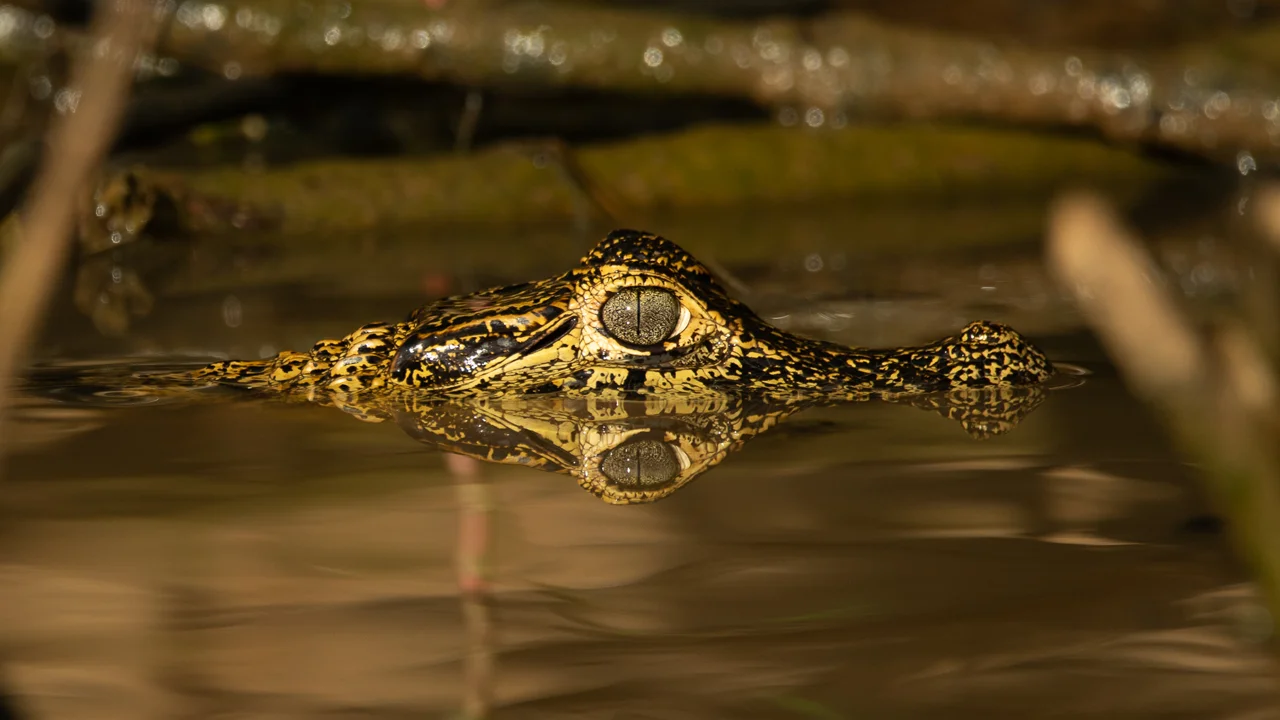
5th Place: Pantanal Alligator (Jacaré) – The Easiest to Avoid
Despite its prehistoric appearance and sharp teeth, the alligator-The Pantanal is an extremely peaceful animal when it comes to humans. They spend most of the day basking in the sun on the riverbanks to regulate their body temperature and avoid human contact at all costs.
How to Survive and Take Action:
- Keep Your Distance: Never try to get close to take selfies or touch the animal. Maintain a minimum distance of 5 meters.
- Watch Out for Nests: Females protecting mud nests during the breeding season may be defensive. If you hear a low growl, back away slowly.
- Do Not Feed: Offering food alters the animal's natural behavior and creates dangerous associations.
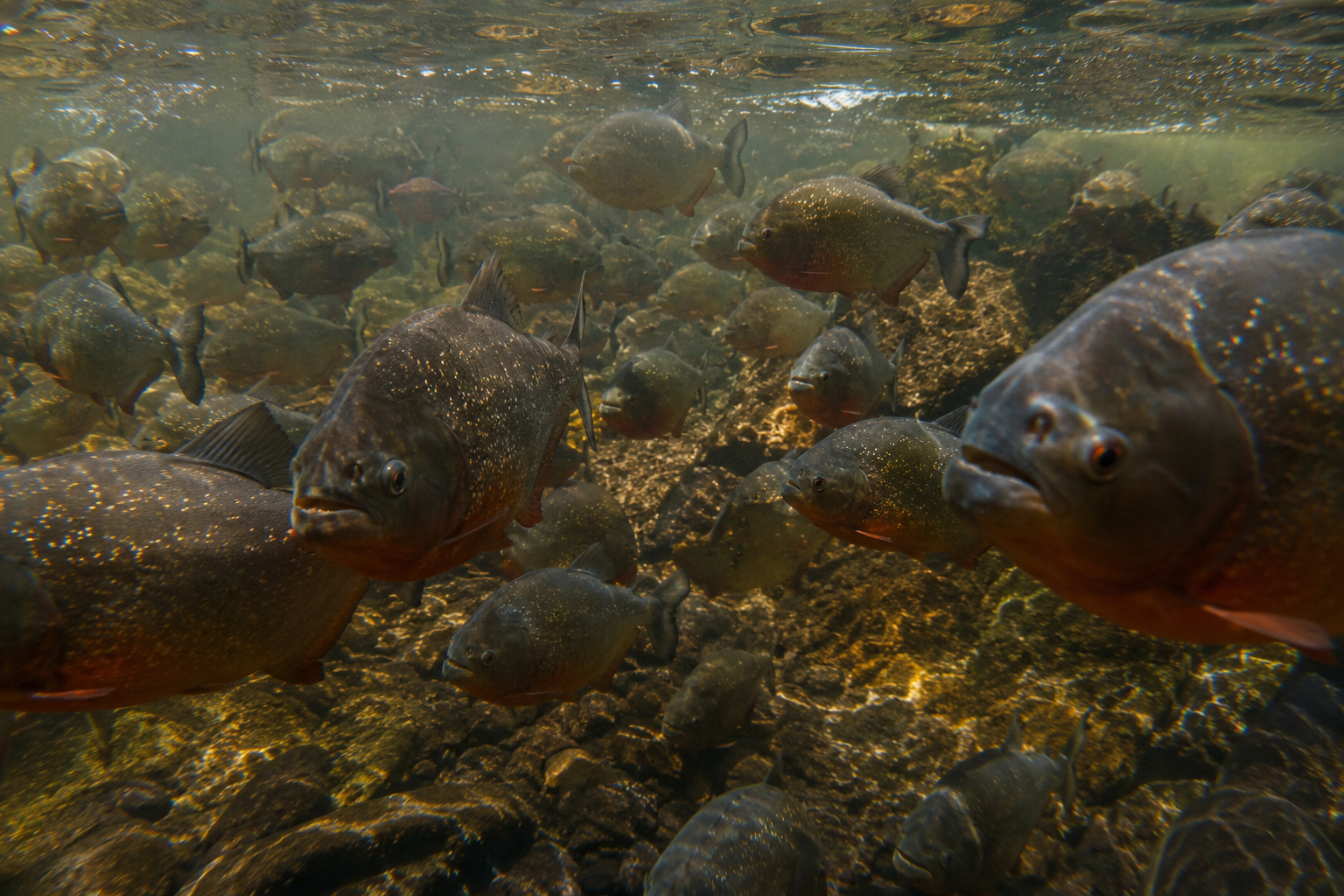
4th Place: Red Piranha (Piranhas) – The Myth of the Group Attack
Contrary to what Hollywood movies show, the piranhas They don't devour a person in seconds. They are scavenging, opportunistic fish that play a key role in cleaning the rivers of the the fauna and flora of the Pantanal.
How to Survive and Take Action:
- Avoid Bathing If You Have Injuries: Fresh blood in the water attracts the curiosity and keen sense of smell of these fish.
- Important Information on Food Waste: Never bathe near places where fish are cleaned or where organic waste is disposed of.
- Precautions During the Dry Season: In isolated ponds with low water levels and a shortage of food, the piranhas become more stressed. Avoid entering these ponds.
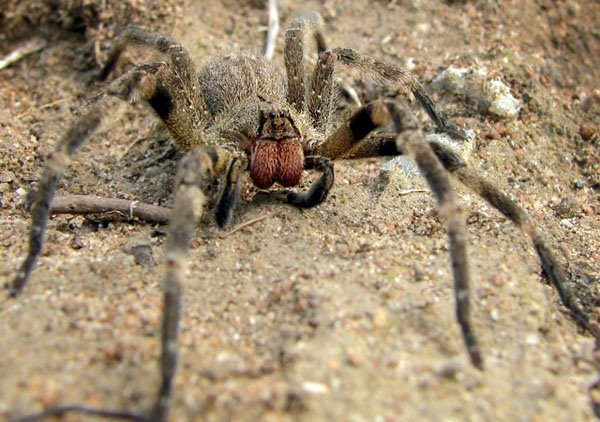
3rd Place: Spiders of the Pantanal Fauna (Spider) – Watch Your Step
Small and highly camouflaged, species such as the spider-Armadeira or caranguejeiras live in dry logs, leaf litter, and forgotten boots. Although they do not attack unless provoked, an accidental bite from a venomous species requires immediate medical attention.
How to Survive and Take Action:
- Use Appropriate Equipment: When hiking in the woods, always wear long pants and sturdy gaiters.
- Check Your Shoes and Clothes: Before putting on boots or clothes that are hanging, shake them out carefully.
- Don't Touch the Blind Man: Avoid putting your hands inside tree hollows, under rocks, or in piles of firewood. If you are stung, seek medical attention immediately at the Ministry of Health.
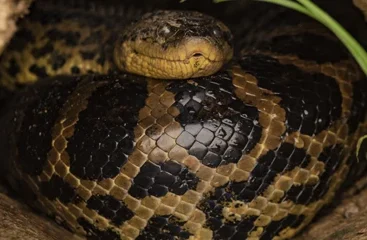
2nd Place: Venomous Snakes and Anacondas (Snake) – The Danger of Camouflage
Find a snake like the jararaca or the impressive anaconda requires patience. Venomous snakes use camouflage to hunt small rodents and only attack when they feel stepped on or cornered.
How to Survive and Take Action:
- Watch Where You Step and Where You Place Your Hand: On trails, walk while paying constant attention to the ground.
- Immobility and Slow Retreat: If you come across a snake poised to strike, stop immediately and take slow, gentle steps backward. Do not make any sudden movements.
- In Case of a Bite: Keep the victim calm and hydrated, wash the affected area with soap and water, and transport the victim immediately to the nearest hospital for administration of antivenom. Never apply a tourniquet.
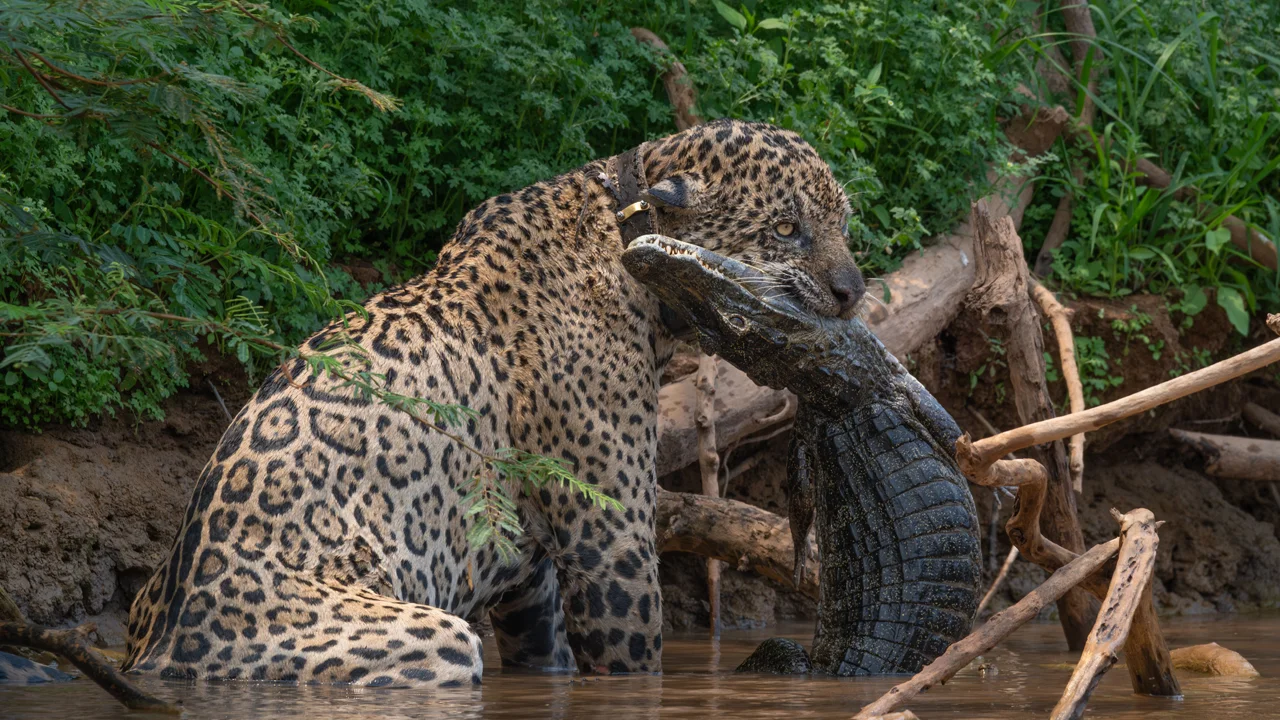
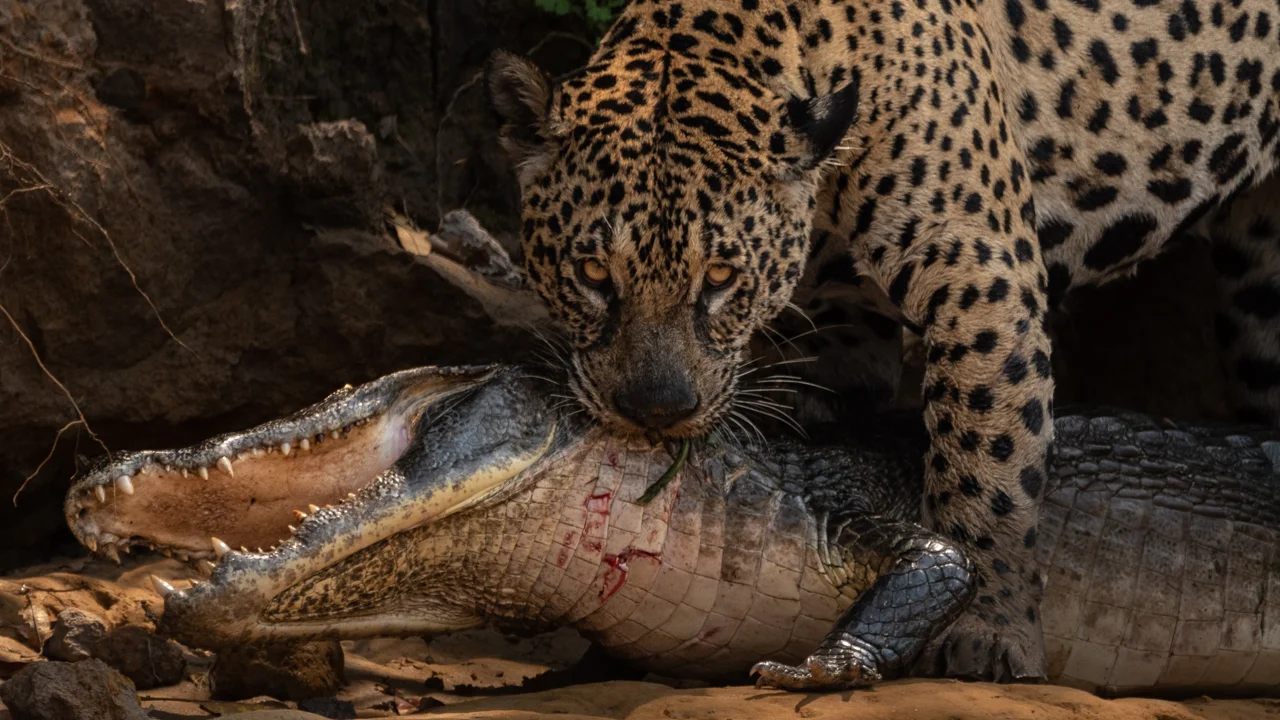
1st Place: Jaguar (Onça-Pintada) – The Most Challenging Encounter
At the top of the food chain, the jaguar It is the largest cat in the Americas. Although ecotourism in the Meeting of the Waters While it offers a safe viewing experience on boats, a surprise encounter on land requires total emotional control.
How to Survive and Take Action:
- NEVER RUN: Running brings out a cat's hunting instinct. Remember that she is much faster than you.
- Maintain Eye Contact: Look at the animal without staring aggressively into its eyes, while maintaining a firm stance.
- Look Bigger: Raise your arms slowly, unbutton your jacket, and speak in a firm, deep voice.
- Back Up Slowly: Without turning your back, begin taking slow steps backward until you reach a safe location or a boat.
💡 Golden Tip for Safe Ecotourism
The best way to explore the the fauna and flora of the Pantanal The safest option is to book expeditions led by experienced guides. Professional safaris maintain ethical distances, understand each animal’s body language, and guarantee an unforgettable and 100% safe adventure!
Explore the Pantanal in Complete Safety!
Would you like to experience the thrill of spotting jaguars, alligators, and macaws in their natural habitat, accompanied by Brazil’s best ecotourism guides?
Plan an expedition to explore ecotourism and the rich the fauna and flora of the Pantanal It's every adventurer's dream. However, when faced with the grandeur of the wild, a question arises: Could these tips save your life in the event of an unexpected encounter?
First of all, it’s worth debunking a major taboo: Wild animals are not aggressive, violent monsters on the hunt for humans. Attacks in the wild are extremely rare and occur almost exclusively as a defensive reaction, in response to being startled, or to protect their young and territory.
This guide was created strictly for educational and awareness-raising purposes. Knowing how to behave protects your physical safety and helps preserve wildlife. Check out our ranking of encounters with 5 remarkable animals below, from the easiest to handle to the most challenging!
5th Place: Pantanal Alligator (Jacaré) – The Easiest to Avoid
Despite its prehistoric appearance and sharp teeth, the alligator-The Pantanal is an extremely peaceful animal when it comes to humans. They spend most of the day basking in the sun on the riverbanks to regulate their body temperature and avoid human contact at all costs.
How to Survive and Take Action:
- Keep Your Distance: Never try to get close to take selfies or touch the animal. Maintain a minimum distance of 5 meters.
- Watch Out for Nests: Females protecting mud nests during the breeding season may be defensive. If you hear a low growl, back away slowly.
- Do Not Feed: Offering food alters the animal's natural behavior and creates dangerous associations.
4th Place: Red Piranha (Piranhas) – The Myth of the Group Attack
Contrary to what Hollywood movies show, the piranhas They don't devour a person in seconds. They are scavenging, opportunistic fish that play a key role in cleaning the rivers of the the fauna and flora of the Pantanal.
How to Survive and Take Action:
- Avoid Bathing If You Have Injuries: Fresh blood in the water attracts the curiosity and keen sense of smell of these fish.
- Important Information on Food Waste: Never bathe near places where fish are cleaned or where organic waste is disposed of.
- Precautions During the Dry Season: In isolated ponds with low water levels and a shortage of food, the piranhas become more stressed. Avoid entering these ponds.
3rd Place: Spiders of the Pantanal Fauna (Spider) – Watch Your Step
Small and highly camouflaged, species such as the spider-Armadeira or caranguejeiras live in dry logs, leaf litter, and forgotten boots. Although they do not attack unless provoked, an accidental bite from a venomous species requires immediate medical attention.
How to Survive and Take Action:
- Use Appropriate Equipment: When hiking in the woods, always wear long pants and sturdy gaiters.
- Check Your Shoes and Clothes: Before putting on boots or clothes that are hanging, shake them out carefully.
- Don't Touch the Blind Man: Avoid putting your hands inside tree hollows, under rocks, or in piles of firewood. If you are stung, seek medical attention immediately at the Ministry of Health.
2nd Place: Venomous Snakes and Anacondas (Snake) – The Danger of Camouflage
Find a snake like the jararaca or the impressive anaconda requires patience. Venomous snakes use camouflage to hunt small rodents and only attack when they feel stepped on or cornered.
How to Survive and Take Action:
- Watch Where You Step and Where You Place Your Hand: On trails, walk while paying constant attention to the ground.
- Immobility and Slow Retreat: If you come across a snake poised to strike, stop immediately and take slow, gentle steps backward. Do not make any sudden movements.
- In Case of a Bite: Keep the victim calm and hydrated, wash the affected area with soap and water, and transport the victim immediately to the nearest hospital for administration of antivenom. Never apply a tourniquet.
1st Place: Jaguar (Onça-Pintada) – The Most Challenging Encounter
At the top of the food chain, the jaguar It is the largest cat in the Americas. Although ecotourism in the Meeting of the Waters While it offers a safe viewing experience on boats, a surprise encounter on land requires total emotional control.
How to Survive and Take Action:
- NEVER RUN: Running brings out a cat's hunting instinct. Remember that she is much faster than you.
- Maintain Eye Contact: Look at the animal without staring aggressively into its eyes, while maintaining a firm stance.
- Look Bigger: Raise your arms slowly, unbutton your jacket, and speak in a firm, deep voice.
- Back Up Slowly: Without turning your back, begin taking slow steps backward until you reach a safe location or a boat.
💡 Golden Tip for Safe Ecotourism
The best way to explore the the fauna and flora of the Pantanal The safest option is to book expeditions led by experienced guides. Professional safaris maintain ethical distances, understand each animal’s body language, and guarantee an unforgettable and 100% safe adventure!
Explore the Pantanal in Complete Safety!
Would you like to experience the thrill of spotting jaguars, alligators, and macaws in their natural habitat, accompanied by Brazil’s best ecotourism guides?