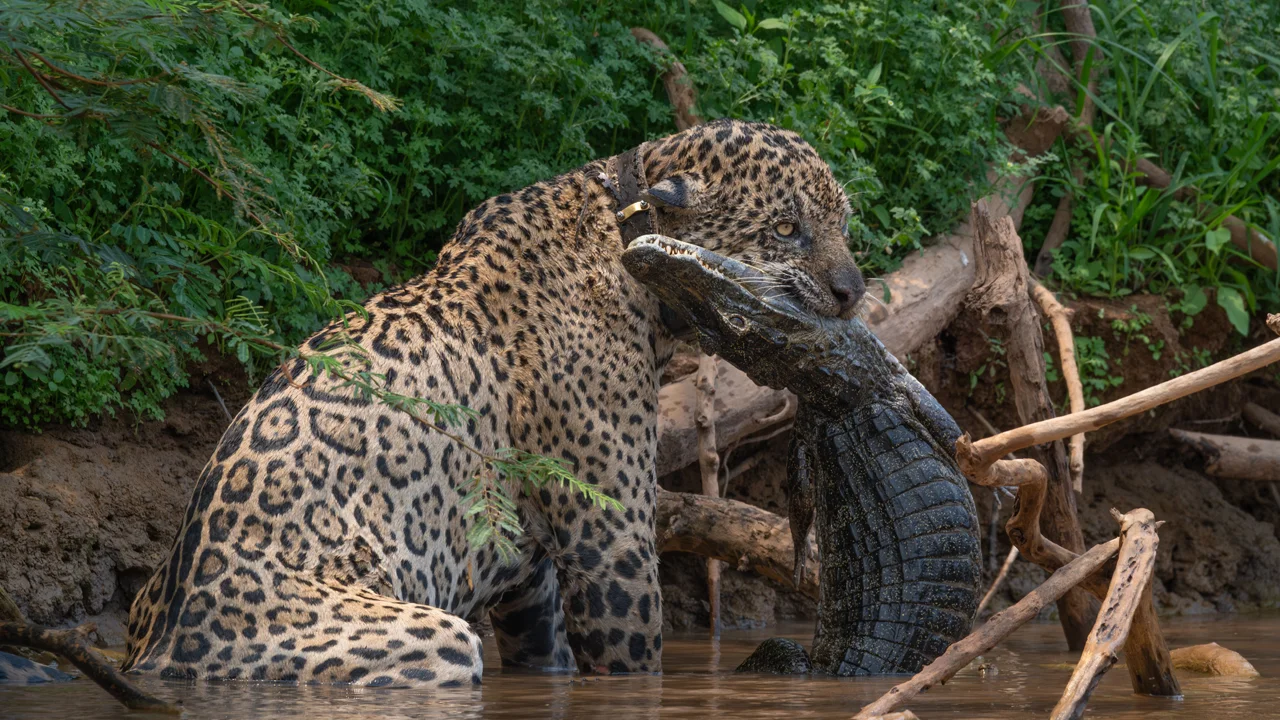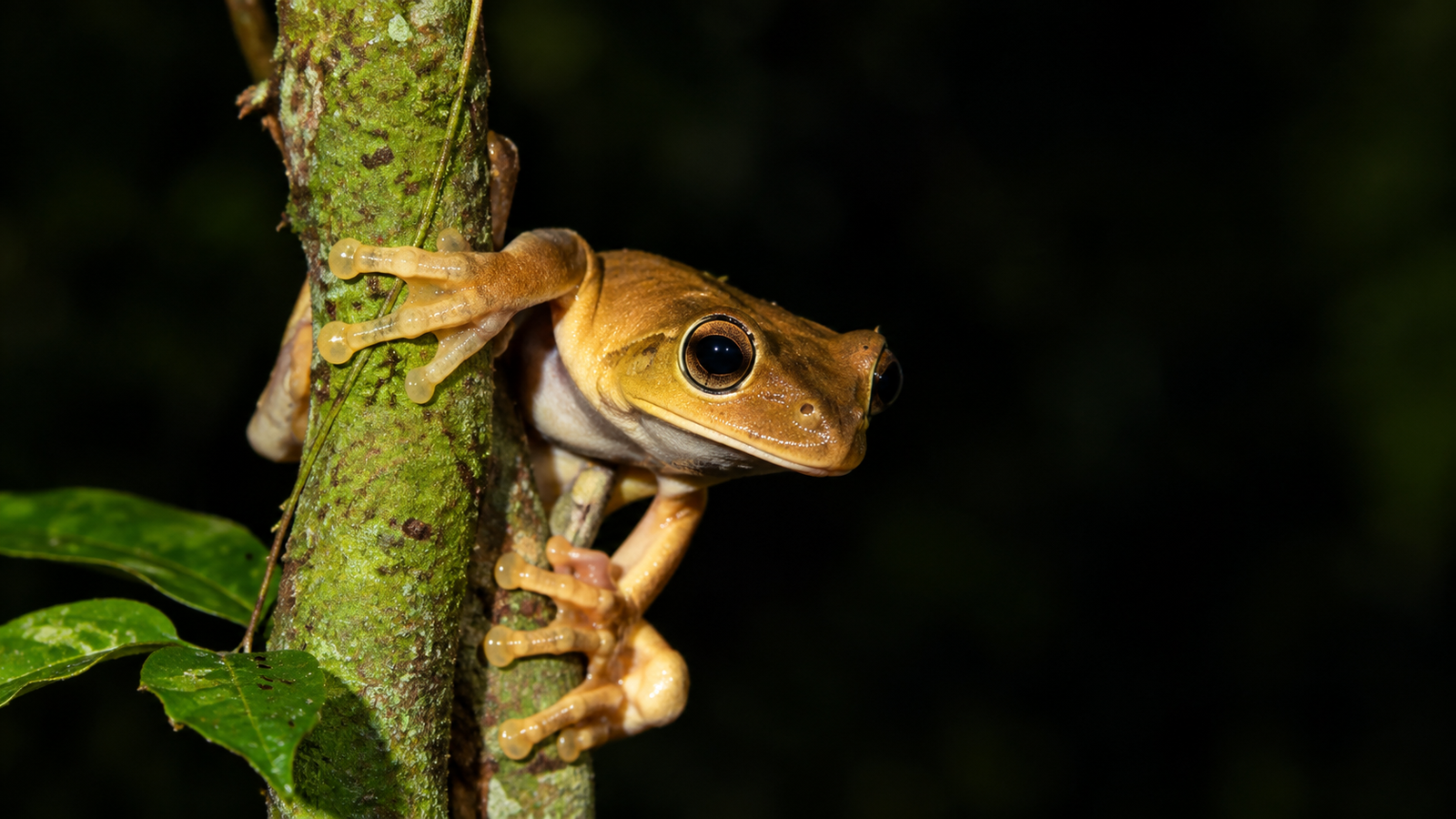



Explore the impressive the fauna and flora of the Pantanal It is a transformative experience for any ecotourist. However, when we think about dangers in the wilderness, most people focus only on large predators, forgetting about the native vegetation.
First and foremost, it is worth noting that toxic mechanisms are not deliberate attacks, but rather evolutionary defense strategies. For example, many plants have developed complex chemical compounds solely to prevent themselves from being eaten by herbivores. Consequently, accidental contact or ingestion can cause serious problems for unsuspecting humans.
Therefore, this educational guide was created to ensure your safety while hiking. Below, we present four notable poisonous plants found in this biome, along with essential tips on how to identify them and prevent accidents.
Ratweed (Cafezinho): The Hidden Danger
First of all, the mouse grass (also commonly known as cup of coffee) is extremely dangerous in the region. In addition, its fruits closely resemble coffee beans, which piques the curiosity of people unfamiliar with the forest.
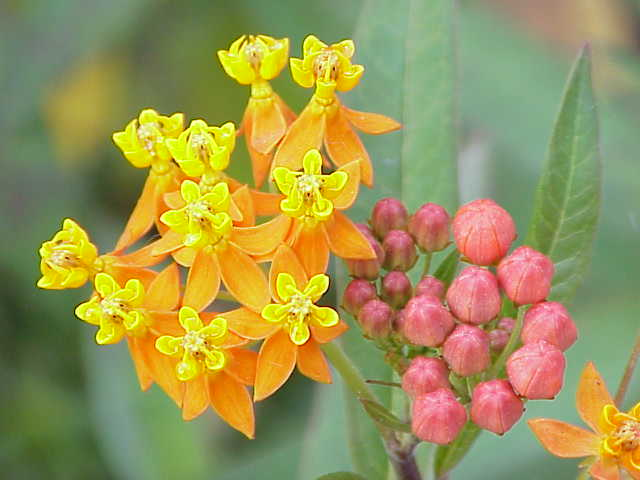
Features and Care:
- First of all, extremely high toxicity: Eating just a few leaves or fruits can cause sudden heart failure in cattle and humans.
- In addition, rapid death: The active ingredient acts directly on the nervous and cardiovascular systems. For this reason, poisoning is a serious medical emergency.
- So, here's the golden rule: Never eat unfamiliar wild berries while on nature walks.
Flatbed Trucks: A Silent Danger to Animals and Humans
Second, the stretcher (Solanum glaucophyllum) is a toxic plant found in wetlands. In fact, it is infamous for causing calcification in cattle tissue, but ecotourists must also exercise extreme caution when coming into contact with it.
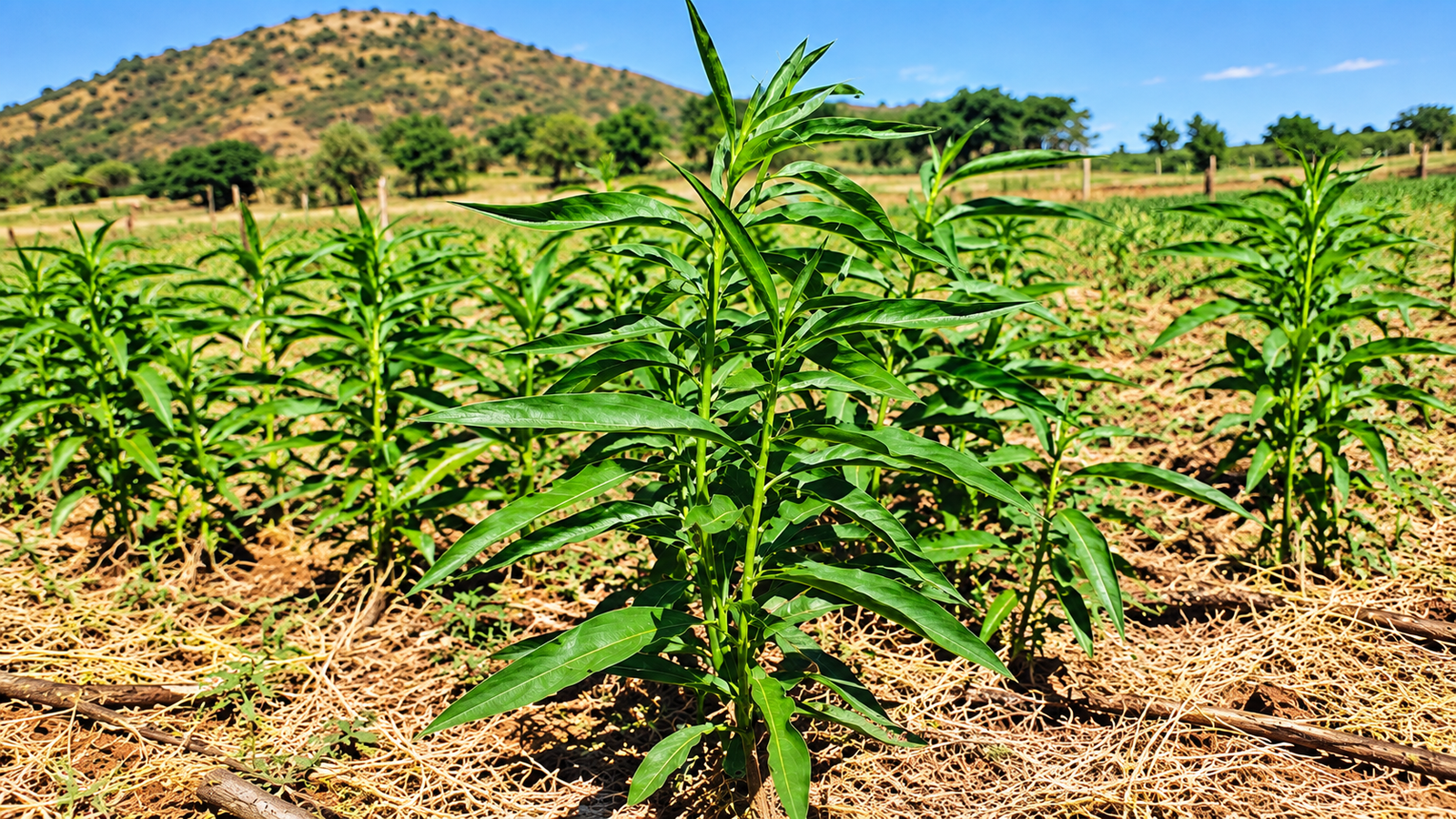
Features and Care:
- First, calcium imbalance: The plant contains high concentrations of a substance similar to vitamin D, causing the body to absorb excessive amounts of calcium.
- In addition, tissue hardening: As a result, arteries and tendons can calcify rapidly.
- Finally, avoid manipulation: If you see this prickly plant with dull-colored leaves along riverbanks, keep your distance and avoid accidental cuts.
Monkey's Ear: The Imposing and Toxic Tree
Third, the monkey ear (also known as timbaúva) is a majestic tree. However, its peculiar ear-shaped fruits contain toxic compounds called saponins.
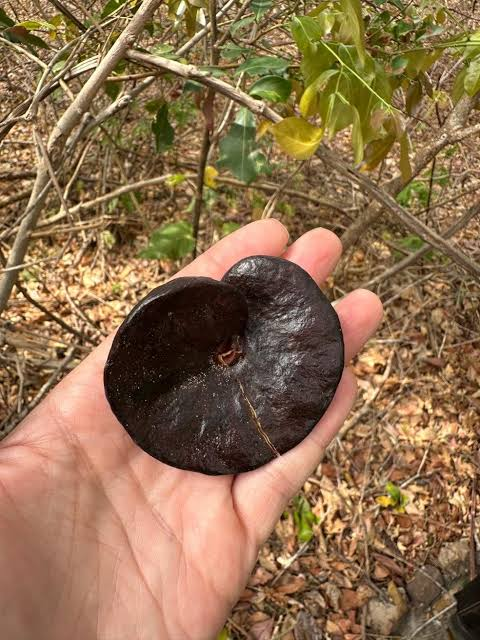
Features and Care:
- First, sparkling action: Saponins create a toxic foam when they come into contact with water and mucous membranes.
- In addition, gastrointestinal problems: Accidental ingestion of the pods causes severe nausea and intense stomach irritation.
- Therefore, eye protection: Enjoy the tree's majestic shade, but never chew on or rub its fallen pods on the ground.
Wild Cassava: How to Tell It Apart from Table Cassava?
Finally, fourth, the wild cassava requires extreme caution. After all, it looks exactly like the table cassava (macaxeira or aipim) that we eat every day, but it contains lethal chemical defenses.
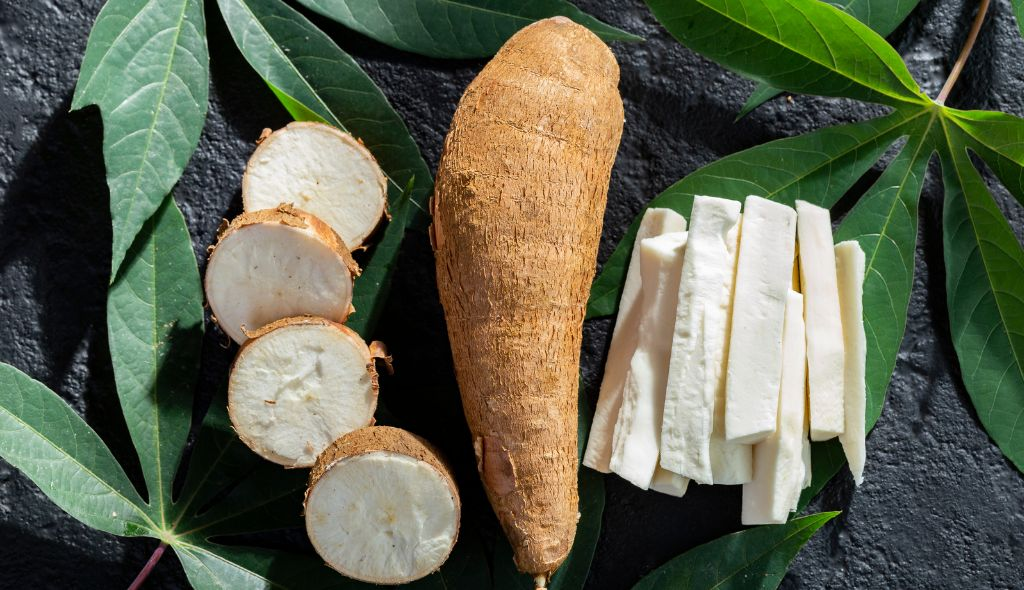
Risk Comparison and Prevention:
- First, the danger of cyanide: Wild cassava contains extremely high levels of hydrocyanic acid (cyanide), a lethal poison. In contrast, edible cassava contains almost none.
- In addition, visual impossibility: Consequently, it is impossible to tell the difference between the wild and edible varieties just by looking at the skin or foliage.
- Therefore, processing is mandatory: Wild cassava is safe for consumption only after undergoing extensive fermentation, pressing, or prolonged, continuous cooking for the production of flour.
- So, never pick and bake: When hiking, never pick wild roots to roast over a campfire, as misidentification can be fatal.
💡 Golden Tip for Safe Ecotourism
The best way to admire the the fauna and flora of the Pantanal It’s all about following the basic rule of the ethical ecotourist: “Take only photos, leave only footprints.” After all, touching, smelling, or chewing on native plants without the guidance of an expert guide can ruin your trip. On our safaris, you’ll learn all about local botany in complete safety!
Explore the Pantanal with Expert Guides!
Want to uncover the secrets of medicinal plants and avoid poisonous ones during unforgettable nature hikes?
Explore the impressive the fauna and flora of the Pantanal It is a transformative experience for any ecotourist. However, when we think about dangers in the wilderness, most people focus only on large predators, forgetting about the native vegetation.
First and foremost, it is worth noting that toxic mechanisms are not deliberate attacks, but rather evolutionary defense strategies. For example, many plants have developed complex chemical compounds solely to prevent themselves from being eaten by herbivores. Consequently, accidental contact or ingestion can cause serious problems for unsuspecting humans.
Therefore, this educational guide was created to ensure your safety while hiking. Below, we present four notable poisonous plants found in this biome, along with essential tips on how to identify them and prevent accidents.
Ratweed (Cafezinho): The Hidden Danger
First of all, the mouse grass (also commonly known as cup of coffee) is extremely dangerous in the region. In addition, its fruits closely resemble coffee beans, which piques the curiosity of people unfamiliar with the forest.
Features and Care:
- First of all, extremely high toxicity: Eating just a few leaves or fruits can cause sudden heart failure in cattle and humans.
- In addition, rapid death: The active ingredient acts directly on the nervous and cardiovascular systems. For this reason, poisoning is a serious medical emergency.
- So, here's the golden rule: Never eat unfamiliar wild berries while on nature walks.
Flatbed Trucks: A Silent Danger to Animals and Humans
Second, the stretcher (Solanum glaucophyllum) is a toxic plant found in wetlands. In fact, it is infamous for causing calcification in cattle tissue, but ecotourists must also exercise extreme caution when coming into contact with it.
Features and Care:
- First, calcium imbalance: The plant contains high concentrations of a substance similar to vitamin D, causing the body to absorb excessive amounts of calcium.
- In addition, tissue hardening: As a result, arteries and tendons can calcify rapidly.
- Finally, avoid manipulation: If you see this prickly plant with dull-colored leaves along riverbanks, keep your distance and avoid accidental cuts.
Monkey's Ear: The Imposing and Toxic Tree
Third, the monkey ear (also known as timbaúva) is a majestic tree. However, its peculiar ear-shaped fruits contain toxic compounds called saponins.
Features and Care:
- First, sparkling action: Saponins create a toxic foam when they come into contact with water and mucous membranes.
- In addition, gastrointestinal problems: Accidental ingestion of the pods causes severe nausea and intense stomach irritation.
- Therefore, eye protection: Enjoy the tree's majestic shade, but never chew on or rub its fallen pods on the ground.
Wild Cassava: How to Tell It Apart from Table Cassava?
Finally, fourth, the wild cassava requires extreme caution. After all, it looks exactly like the table cassava (macaxeira or aipim) that we eat every day, but it contains lethal chemical defenses.
Risk Comparison and Prevention:
- First, the danger of cyanide: Wild cassava contains extremely high levels of hydrocyanic acid (cyanide), a lethal poison. In contrast, edible cassava contains almost none.
- In addition, visual impossibility: Consequently, it is impossible to tell the difference between the wild and edible varieties just by looking at the skin or foliage.
- Therefore, processing is mandatory: Wild cassava is safe for consumption only after undergoing extensive fermentation, pressing, or prolonged, continuous cooking for the production of flour.
- So, never pick and bake: When hiking, never pick wild roots to roast over a campfire, as misidentification can be fatal.
💡 Golden Tip for Safe Ecotourism
The best way to admire the the fauna and flora of the Pantanal It’s all about following the basic rule of the ethical ecotourist: “Take only photos, leave only footprints.” After all, touching, smelling, or chewing on native plants without the guidance of an expert guide can ruin your trip. On our safaris, you’ll learn all about local botany in complete safety!
Explore the Pantanal with Expert Guides!
Want to uncover the secrets of medicinal plants and avoid poisonous ones during unforgettable nature hikes?