
Strength, territory, and instinct: Find out what would happen if the jaguar faced off against the world’s largest cats, ranked from easiest to hardest to take down.
Whether patrolling riverbanks or hunting in dense jungles, the jaguar (Panthera jaguar) is the undisputed queen of the Pantanal. But a question always comes to mind for those excited about a trip to the Pantanal: if we were to pit this formidable South American feline against other major global predators, who would come out on top?
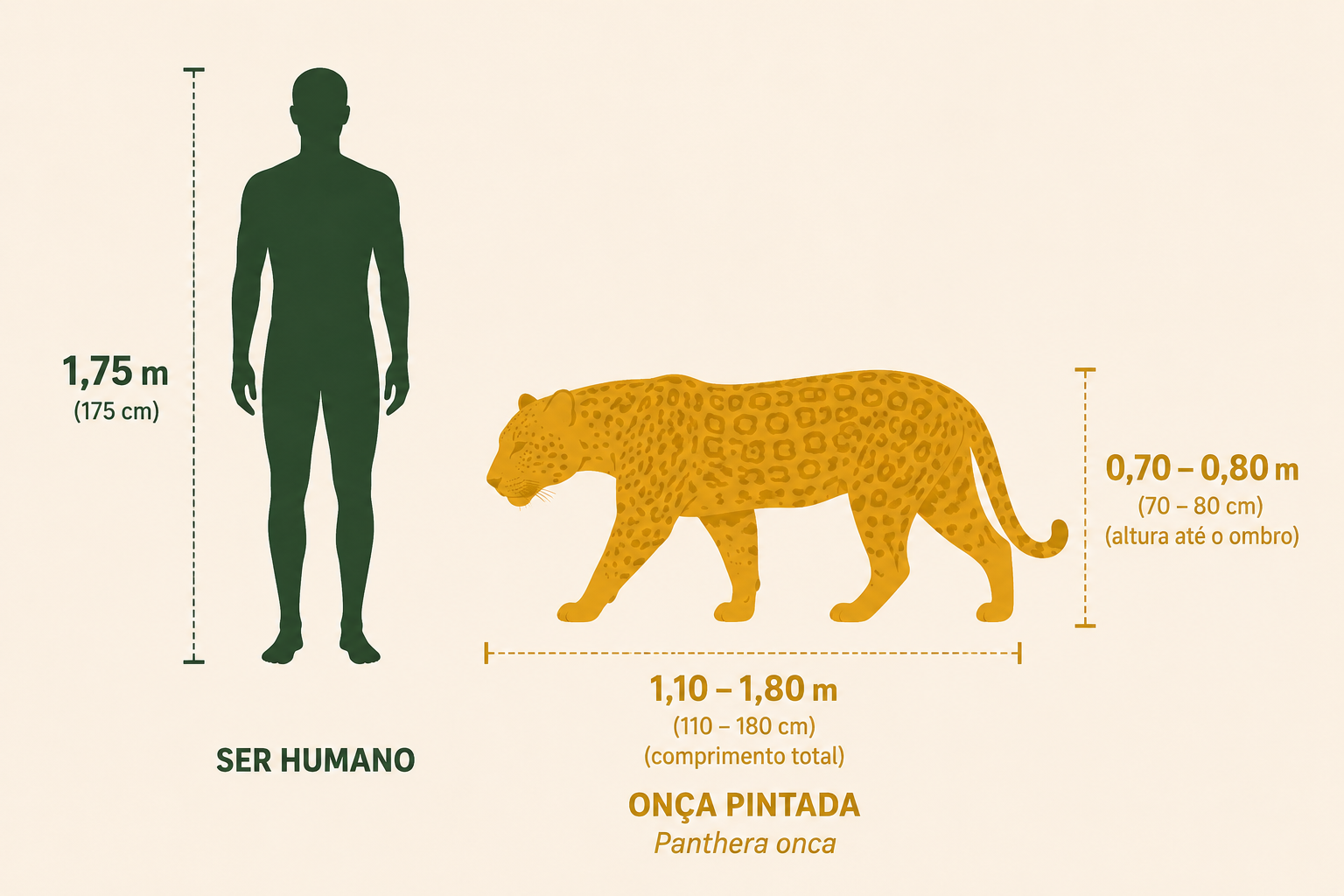
Combat Infographic: Quick Facts and Figures
Did you know that the bite of the jaguar Is it the strongest of all the world's felines, relative to its size? Below, we have compiled the exact biomechanical data to compare the Pantanal’s champion with its four biggest “rivals” worldwide, ranked from the most vulnerable to the most formidable opponent.
| Feline | Maximum Weight (Average) | Bite Force (PSI) | Key Strategy | Threat Level for the Jaguar |
|---|---|---|---|---|
| Cheetah | Up to 60 kg | ~250 PSI | Extreme Speed | Minimum (Most Due) |
| Leopard | Up to 90 kg | ~300 PSI | Ambush in the Trees | Bass |
| African Lion | Up to 190 kg | ~650 PSI | Group Attack (Pack) | High |
| Siberian Tiger | Up to 300 kg | ~1,050 PSI | Brute force and weight | Critical (Less vulnerable) |
| Jaguar | Up to 135 kg | ~1,500 PSI | Skull Fracture | Pantanal Base Predator |
The Opponents: From Weakest to Strongest
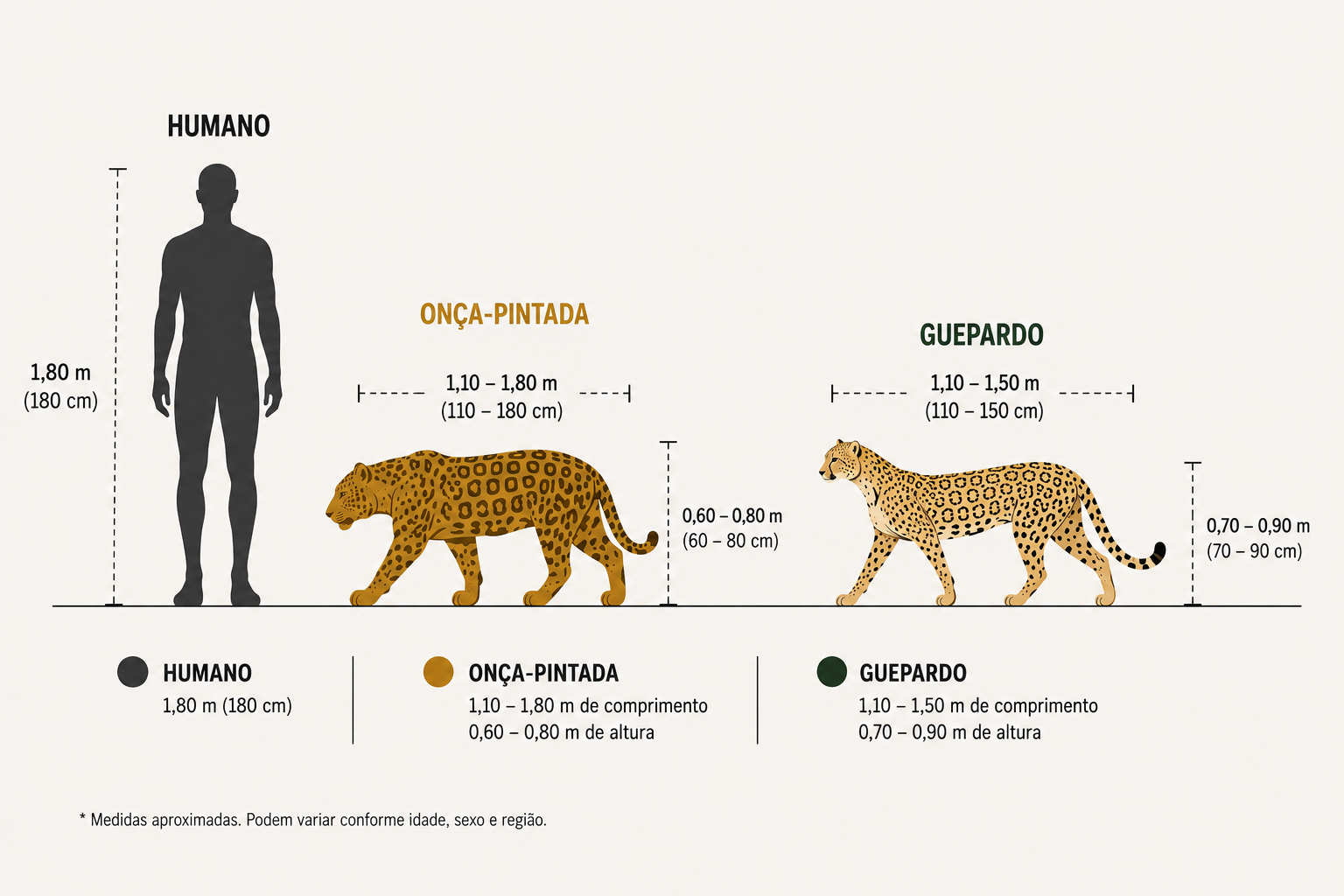
1. The Cheetah (The Runner): Focused on aerodynamics (100%), the cheetah has claws that do not fully retract and very light bones. A single swat from a jaguar would be enough to win the fight. The cheetah is the most vulnerable animal on the list and would stand no chance in a physical fight in the Pantanal.
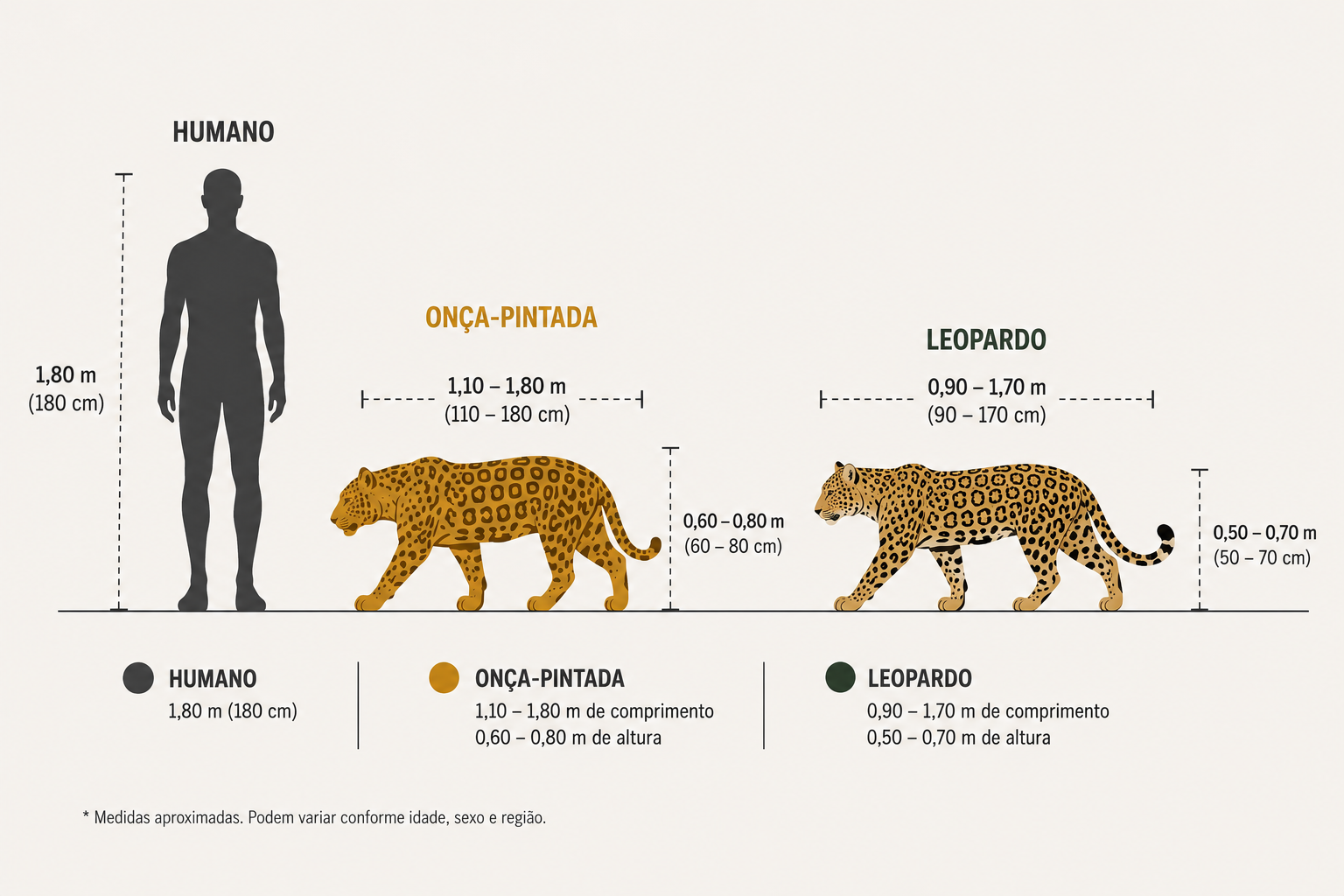
2. The Leopard (The Climber): Often confused with the jaguar, the leopard is much slimmer and lighter. The jaguar is more robust, has a broader head, and much more muscular legs. In a fight, the leopard’s only defense would be to use its agility to flee into the treetops, as it would inevitably lose in a physical confrontation on the ground.
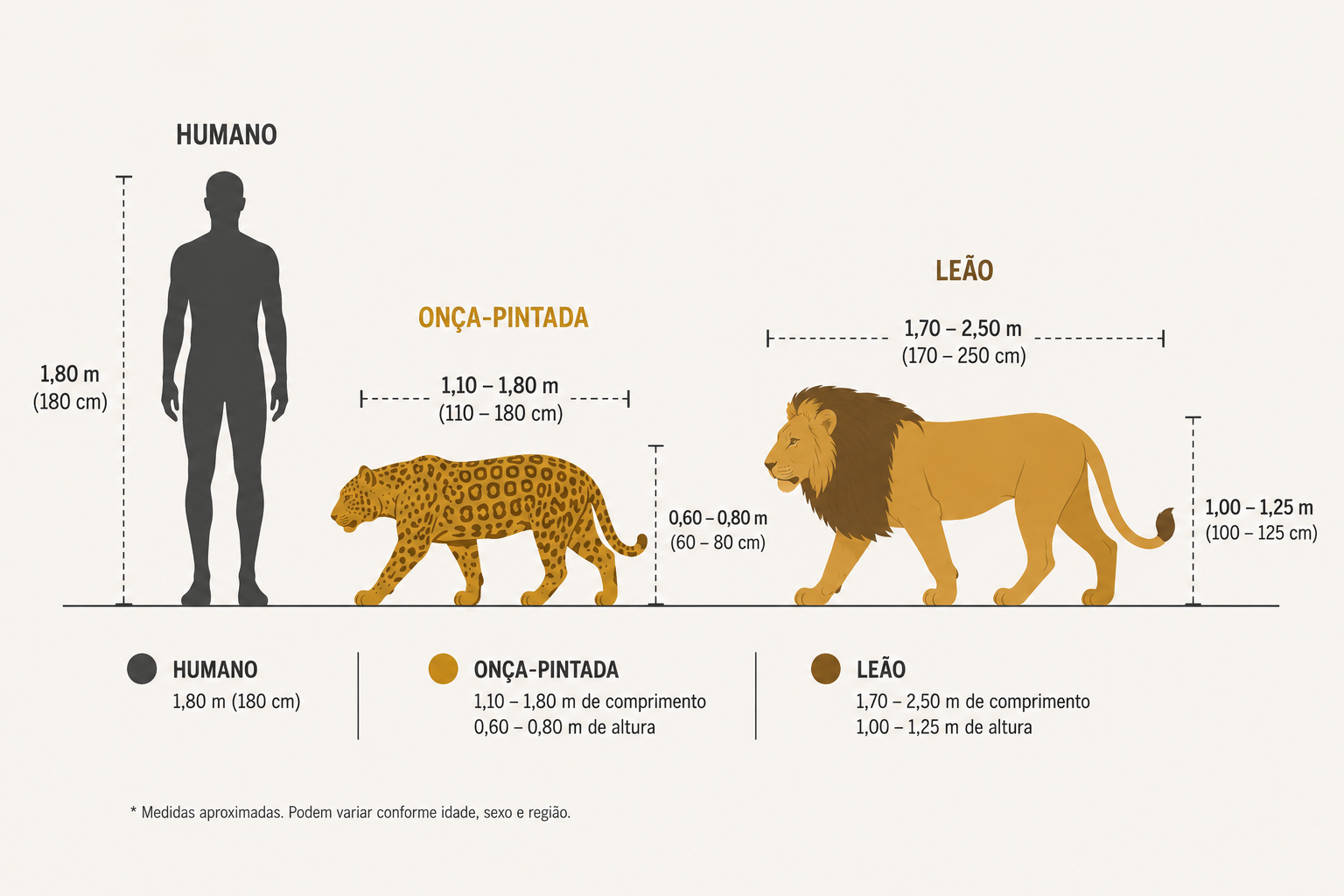
3. The Lion (The King of the Savannah): We’ve entered the realm of the giants. The lion has a thick mane that protects its neck against the classic chokehold (the felines“ favorite tactic). However, lions have a surprisingly ”weak” bite (650 PSI) compared to the Pantanal’s predator. In a one-on-one fight, the jaguar would have a strong chance of winning due to its unique technique of piercing directly through the skull, bypassing the lion’s mane and neck.
4. The Tiger (The Asian Giant): The toughest opponent and the largest of all big cats. Although the jaguar has the most lethal bite relative to its body size, the tiger wins in terms of sheer muscle mass. In a head-to-head battle of brute strength, the difference of more than 150 kg would give the tiger an overwhelming advantage, making it the only animal capable of dominating the jaguar in hand-to-hand combat.
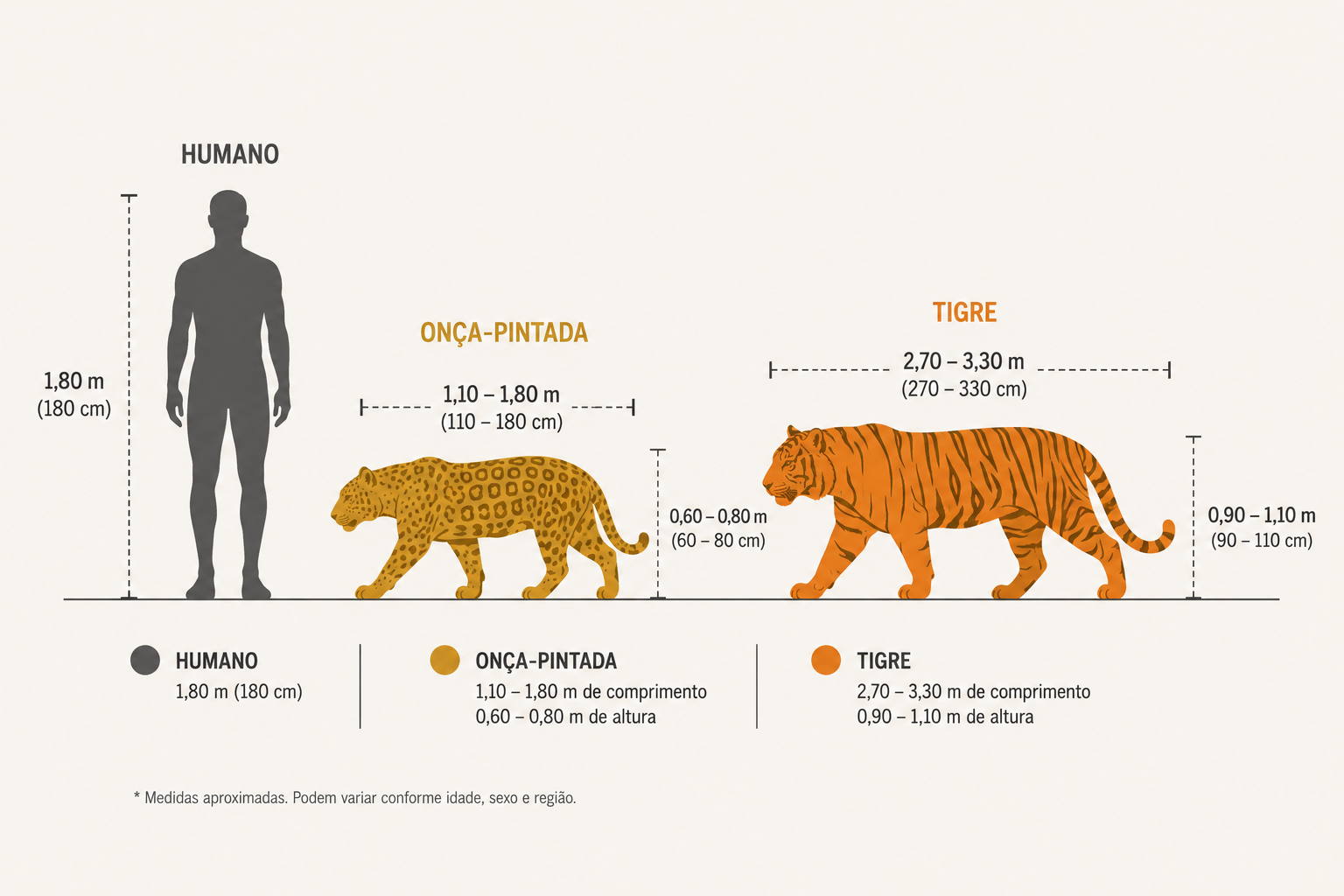
The Clash of Habitats: What Would Happen in Practice?
In biology, the environment dictates the rules. If the clash took place on the flooded plains of the Pantanal, a jaguar It would have an absolute tactical advantage over leopards and even lions. The jaguar is a semi-aquatic animal and the only big cat capable of diving and swimming long distances while carrying heavy prey in its mouth. It would force the fight into the water, where lions and leopards completely lose their balance and mobility.
However, if an encounter during a trip to the Pantanal were with a tiger, the situation would still be incredibly dangerous. Tigers are also excellent swimmers. The jaguar, being highly intelligent and opportunistic, would likely use the dense riparian vegetation not for a battle of strength, but for a lethal stealth ambush targeting the skull, thereby avoiding a fight governed by the rules of brute force imposed by the tiger.
💡 Conclusion of the Biology Study
From an evolutionary standpoint, there is no predator better designed and adapted to its own environment than the jaguar in the Pantanal. Its ultra-compact musculature and crushing bite—capable of cracking turtle shells and the skulls of large alligators—combined with its aquatic prowess, make it the unbeatable amphibious predator of the Americas.
Explore the jaguar's territory!
Ready to see the largest cat in the Americas up close? Choose your itinerary and plan your trip Pantanal Trip perfect with Yara Eco Safari.
Strength, territory, and instinct: Find out what would happen if the jaguar faced off against the world’s largest cats, ranked from easiest to hardest to take down.
Whether patrolling riverbanks or hunting in dense jungles, the jaguar (Panthera jaguar) is the undisputed queen of the Pantanal. But a question always comes to mind for those excited about a trip to the Pantanal: if we were to pit this formidable South American feline against other major global predators, who would come out on top?
Combat Infographic: Quick Facts and Figures
Did you know that the bite of the jaguar Is it the strongest of all the world's felines, relative to its size? Below, we have compiled the exact biomechanical data to compare the Pantanal’s champion with its four biggest “rivals” worldwide, ranked from the most vulnerable to the most formidable opponent.
| Feline | Maximum Weight (Average) | Bite Force (PSI) | Key Strategy | Threat Level for the Jaguar |
|---|---|---|---|---|
| Cheetah | Up to 60 kg | ~250 PSI | Extreme Speed | Minimum (Most Due) |
| Leopard | Up to 90 kg | ~300 PSI | Ambush in the Trees | Bass |
| African Lion | Up to 190 kg | ~650 PSI | Group Attack (Pack) | High |
| Siberian Tiger | Up to 300 kg | ~1,050 PSI | Brute force and weight | Critical (Less vulnerable) |
| Jaguar | Up to 135 kg | ~1,500 PSI | Skull Fracture | Pantanal Base Predator |
The Opponents: From Weakest to Strongest
1. The Cheetah (The Runner): Focused on aerodynamics (100%), the cheetah has claws that do not fully retract and very light bones. A single swat from a jaguar would be enough to win the fight. The cheetah is the most vulnerable animal on the list and would stand no chance in a physical fight in the Pantanal.
2. The Leopard (The Climber): Often confused with the jaguar, the leopard is much slimmer and lighter. The jaguar is more robust, has a broader head, and much more muscular legs. In a fight, the leopard’s only defense would be to use its agility to flee into the treetops, as it would inevitably lose in a physical confrontation on the ground.
3. The Lion (The King of the Savannah): We’ve entered the realm of the giants. The lion has a thick mane that protects its neck against the classic chokehold (the felines“ favorite tactic). However, lions have a surprisingly ”weak” bite (650 PSI) compared to the Pantanal’s predator. In a one-on-one fight, the jaguar would have a strong chance of winning due to its unique technique of piercing directly through the skull, bypassing the lion’s mane and neck.
4. The Tiger (The Asian Giant): The toughest opponent and the largest of all big cats. Although the jaguar has the most lethal bite relative to its body size, the tiger wins in terms of sheer muscle mass. In a head-to-head battle of brute strength, the difference of more than 150 kg would give the tiger an overwhelming advantage, making it the only animal capable of dominating the jaguar in hand-to-hand combat.
The Clash of Habitats: What Would Happen in Practice?
In biology, the environment dictates the rules. If the clash took place on the flooded plains of the Pantanal, a jaguar It would have an absolute tactical advantage over leopards and even lions. The jaguar is a semi-aquatic animal and the only big cat capable of diving and swimming long distances while carrying heavy prey in its mouth. It would force the fight into the water, where lions and leopards completely lose their balance and mobility.
However, if an encounter during a trip to the Pantanal were with a tiger, the situation would still be incredibly dangerous. Tigers are also excellent swimmers. The jaguar, being highly intelligent and opportunistic, would likely use the dense riparian vegetation not for a battle of strength, but for a lethal stealth ambush targeting the skull, thereby avoiding a fight governed by the rules of brute force imposed by the tiger.
💡 Conclusion of the Biology Study
From an evolutionary standpoint, there is no predator better designed and adapted to its own environment than the jaguar in the Pantanal. Its ultra-compact musculature and crushing bite—capable of cracking turtle shells and the skulls of large alligators—combined with its aquatic prowess, make it the unbeatable amphibious predator of the Americas.
Explore the jaguar's territory!
Ready to see the largest cat in the Americas up close? Choose your itinerary and plan your trip Pantanal Trip perfect with Yara Eco Safari.