


The Pantanal is one of the richest and most biodiverse ecosystems in the world, a true natural treasure located in the heart of Brazil that continually surprises everyone who visits. This biome has much more to offer than lush landscapes: it is a dynamic, living stage where wild nature governs absolutely.
Whether you are an ecotourism enthusiast, a researcher, or simply a curious traveler, the following information will deepen your admiration for this Brazilian heritage. Get ready to explore 10 fascinating facts about the Pantanal, its unique habitats, its immense wealth of fauna and flora, and the power of apex predators like the majestic jaguar.
1. The Largest Continuous Wetland on the Planet
Did you know that the Pantanal covers an area of approximately 210,000 km²? To put that in perspective, it is roughly the size of Great Britain! Located primarily in the Brazilian states of Mato Grosso and Mato Grosso do Sul, it also crosses borders into Bolivia and Paraguay. This massive expanse creates one of the most complex ecosystems on Earth.
2. A UNESCO World Heritage Site
The ecological importance of the region is so monumental that, in 2000, the Pantanal was recognized by UNESCO as a Biosphere Reserve and a World Natural Heritage Site. Protecting this biome ensures the survival of ecological processes that impact the climate on a global scale.
3. The Law of the Water Cycle
The ecological dynamics of the Pantanal are governed by a strict cycle of floods and droughts. From November to March (rainy season), up to 80% of the plain can submerge under the overflow of the Paraguay and Cuiabá rivers. This “inland sea” distributes nutrients and seeds. When waters recede from April to October, nutrient-rich lagoons form, creating the perfect time for observing local fauna and flora.
4. An Unmatched Sanctuary of Fauna and Flora
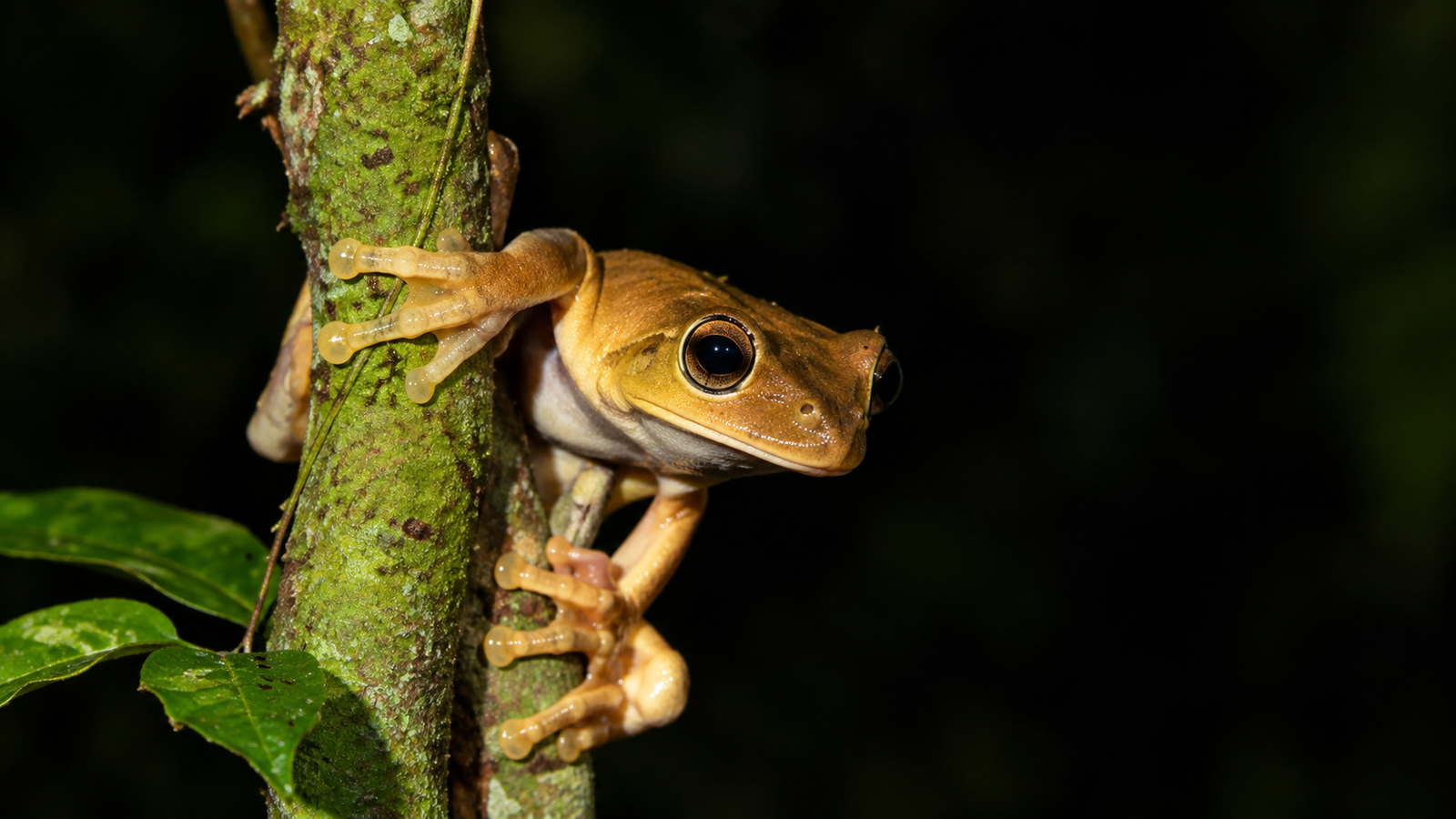
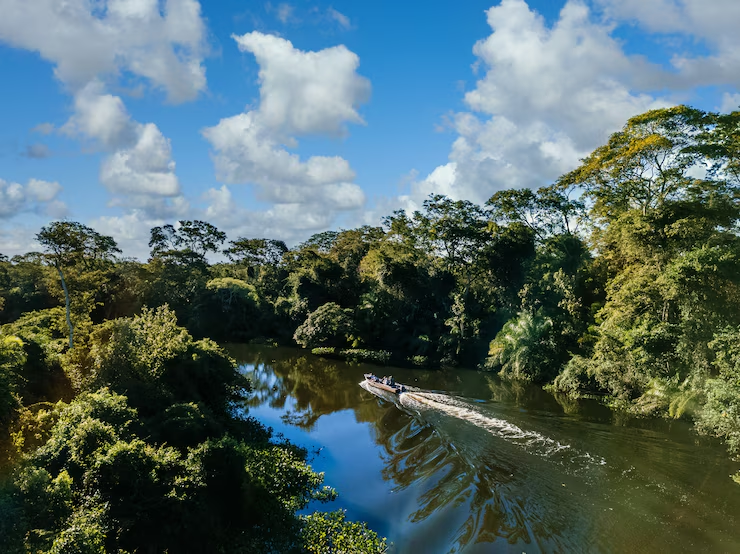
The biome’s biodiversity reaches stratospheric numbers. It is estimated that the Pantanal harbors around 4,700 registered species. This impressive catalog includes 656 species of birds, 325 of fish, 159 of mammals, 98 of reptiles, and 53 of amphibians. Native fauna and flora find a perfect oasis of coexistence here.
5. The World’s Greatest Jaguar Refuge
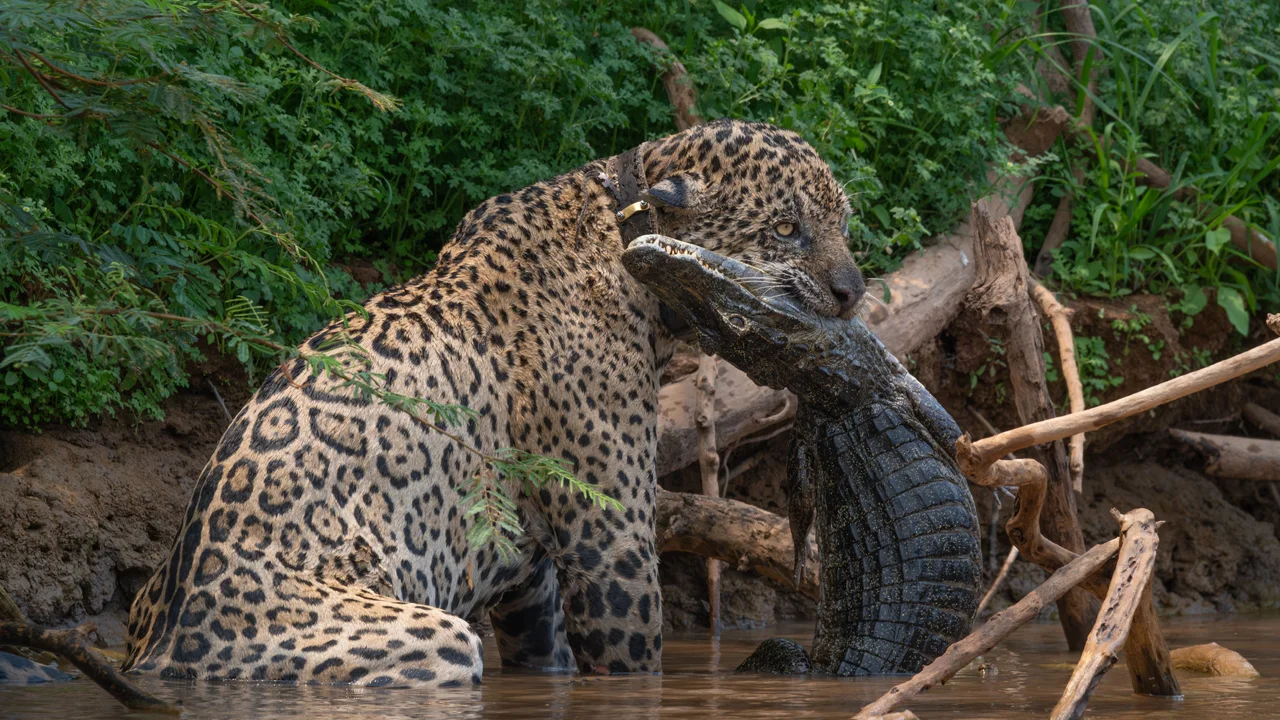
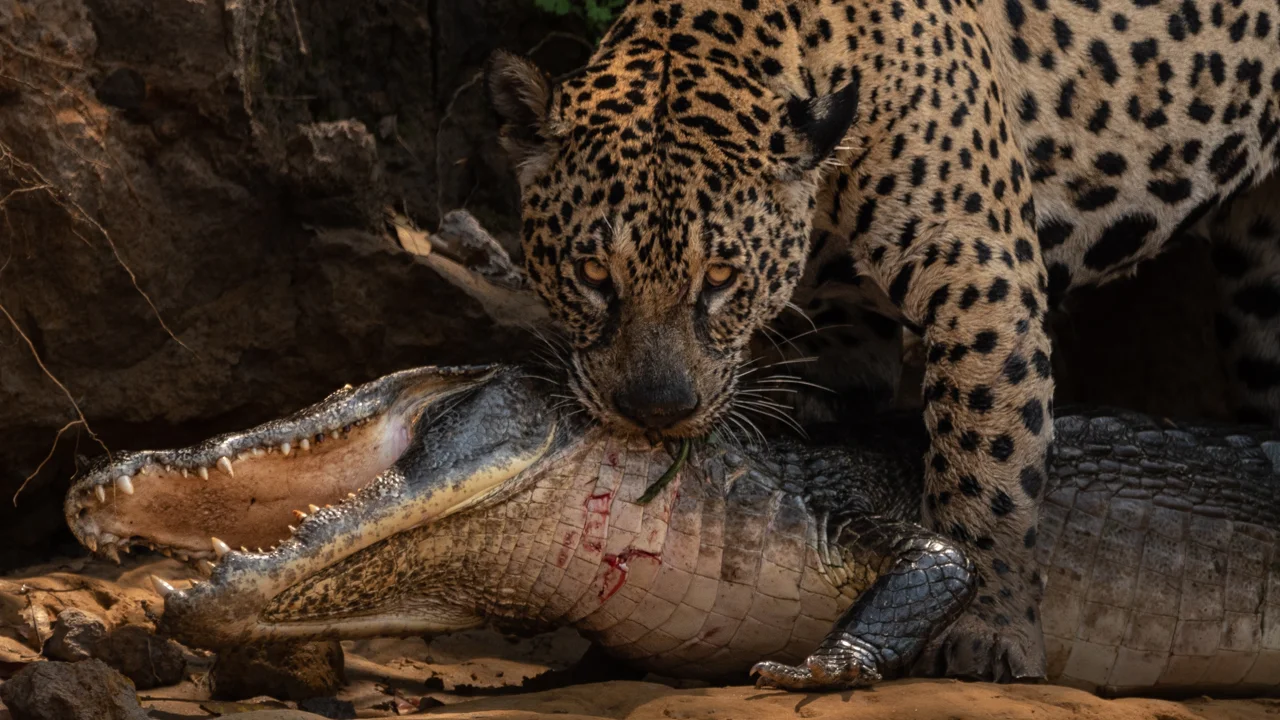
The jaguar (Panthera onca), the largest and most powerful feline in the Americas, finds its safest stronghold in the Pantanal. There are an estimated 4,000 to 7,000 individuals roaming the region. As an apex predator, the jaguar is vital for prey population control. Safaris in the Porto Jofre area guarantee frequent sightings, cementing the biome as the best global destination to observe this animal. Read more in our article about jaguar hunting tactics.
6. Home to the Giant Jabiru and Hyacinth Macaw
The skies over the Pantanal are a spectacle all their own. The Jabiru Stork (Jabiru mycteria) is the symbol bird of the region, capable of reaching an almost 3-meter wingspan. The biome also acts as a sanctuary for endangered species, such as the stunning Hyacinth Macaw, which relies on the Pantanal for its largest wild population globally.
7. Over 10 Million Caimans
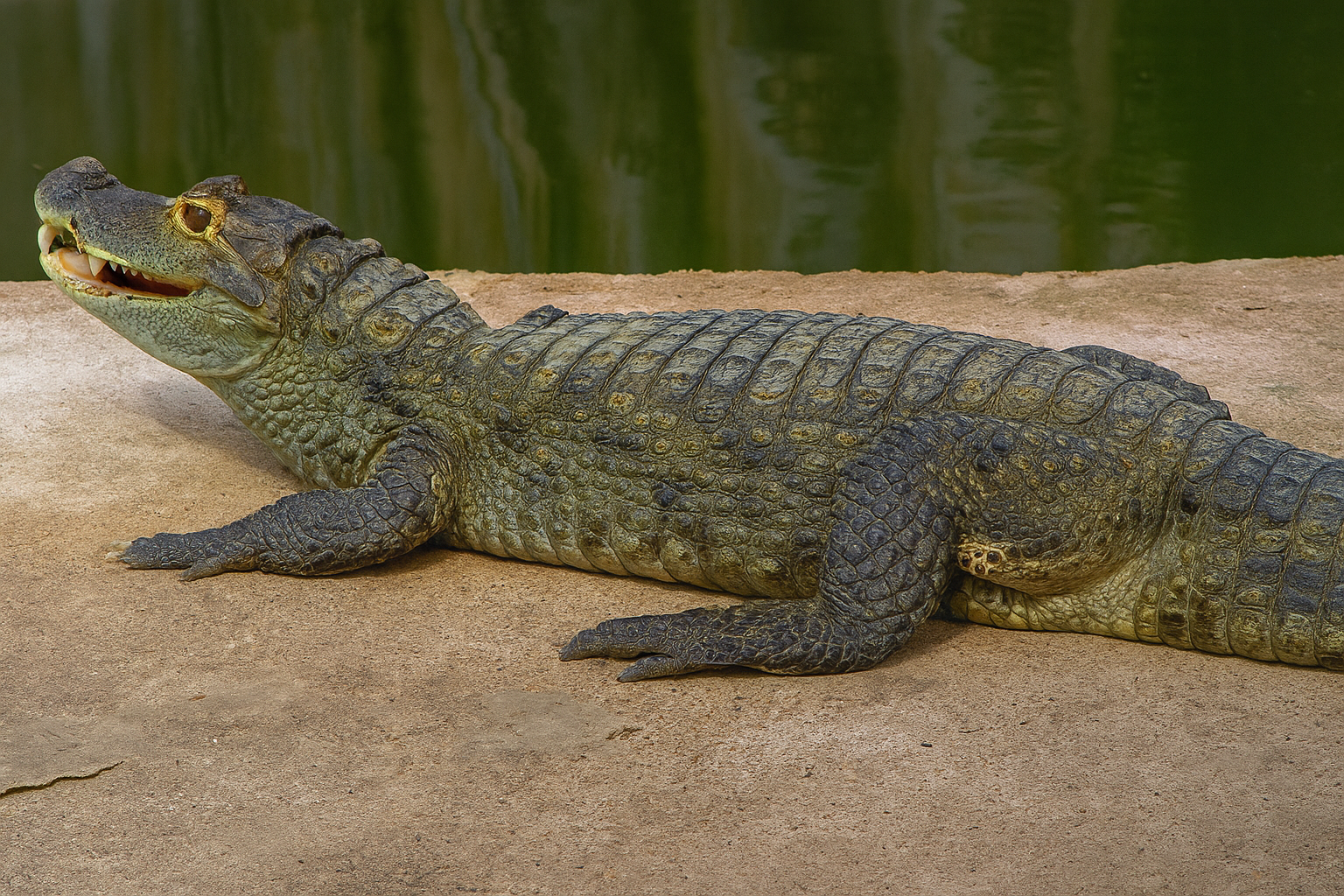
The Yacare Caiman (Caiman yacare) is a trademark of the landscape. An estimated 10 million of these reptiles inhabit the Paraguay River basin. Despite the staggering numbers, they live in total harmony with the environment, acting as key players in controlling fish populations and keeping the rivers clean.
8. Flora with Extreme Adaptation
The Pantanal flora boasts admirable resilience. During the floods, aquatic plants like the giant water lily dominate the water’s surface with leaves up to 2 meters in diameter. In the dry season, trees like the purple Ipê resist the aridity by displaying vibrant flowers, while the Cambará tree works to stabilize riverbanks and prevent erosion.
💡 The Impact of Wildfires on Wildlife
The Pantanal, its fauna and flora, and especially apex predators like the jaguar, suffer immensely from human actions. Illegal wildfires cause irreparable habitat loss and drastic carbon emissions. Promoting sustainable tourism is one of the most efficient ways to generate economic value to keep forests standing and fund protection brigades.
9. A Global Climate Regulator
The Pantanal is not only important for Brazil. It acts as an immense natural carbon sink, absorbing millions of tons of greenhouse gases. Furthermore, the humidity generated by its flooded areas creates microclimates that directly influence rainfall patterns across the entire South American continent.
10. Pantaneiro Culture and Ecotourism
Over centuries, the people of the Pantanal developed a culture intrinsically linked to nature, expressed in musical rhythms like the siriri and traditional cattle ranching. Today, ecotourism and sustainable safaris emerge as the perfect economic alternative. Visiting the region through responsible tour operators guarantees local income generation and directly funds the conservation of this magical land.
Explore the Pantanal Ethically and Sustainably
There is nothing quite like experiencing these 10 fascinating facts in person. Join Yara Eco Safari expeditions and capture the jaguar, fauna, and exotic flora with comfort, safety, and deep respect for nature.