


The symbol of the canopy: discover how the bird with the imposing beak plays a vital role in the Pantanal ecosystem.
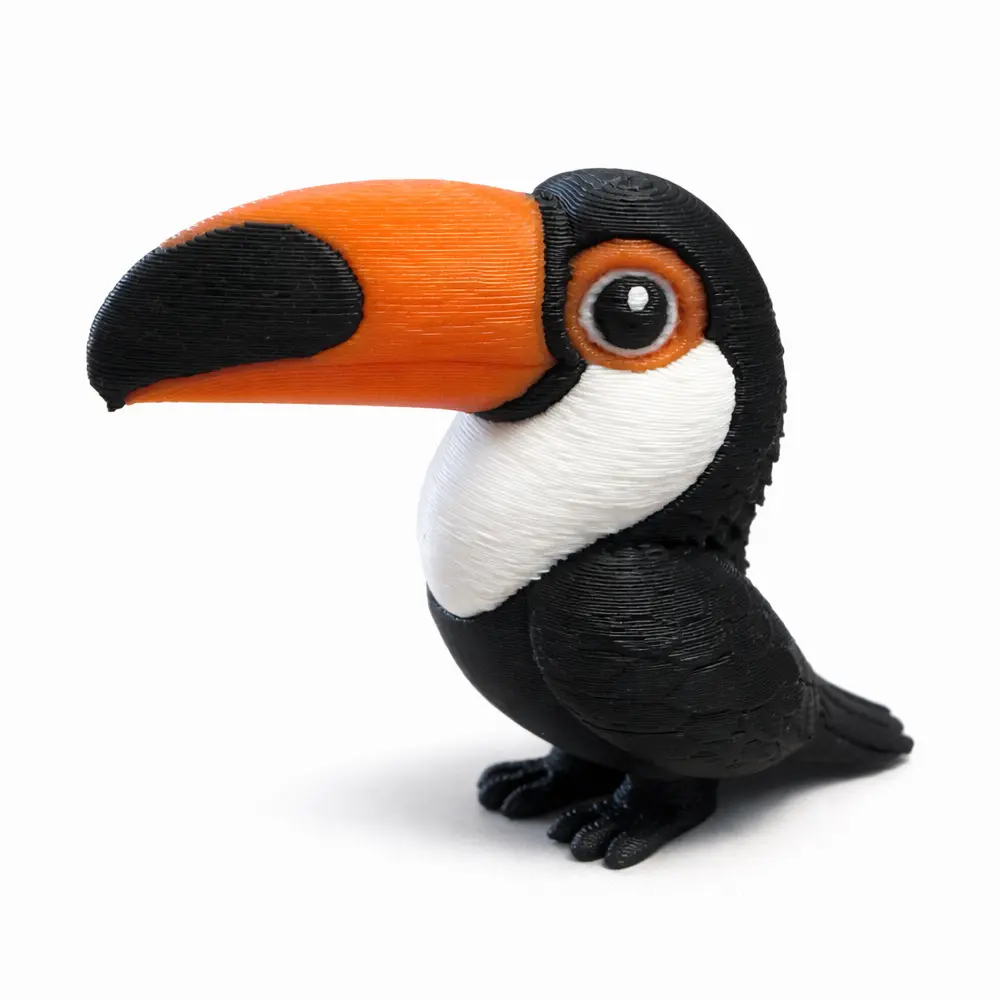
If there is an unmistakable silhouette crossing the sky of the Pantanal, is that of toucan (Ramphastos toco). Popularly known as the toco toucan, it is the largest species in its family and plays a direct role in the renewal of forests, being one of the most photographed and admired animals on our environmental safaris.
- It consumes large fruits and spreads seeds.
- It preys on the eggs and chicks of other birds in their nests.
- It feeds on lizards, insects and small amphibians.
- Spongy structure composed of light keratin.
- It acts as a thermal radiator to regulate heat.
- It reaches for food on thin, deep branches.
Opportunistic Diet and Hunting Tactics
Although many associate toucan It has surprisingly carnivorous eating habits. In Pantanal, As a result, it acts as a highly efficient opportunistic predator, raiding nests to feed on eggs and chicks. This aerial agility places it in constant interactions in the same trees where discreet felines, such as the puma, They look for shelter and observation points.
The Mystery of the Big Beak
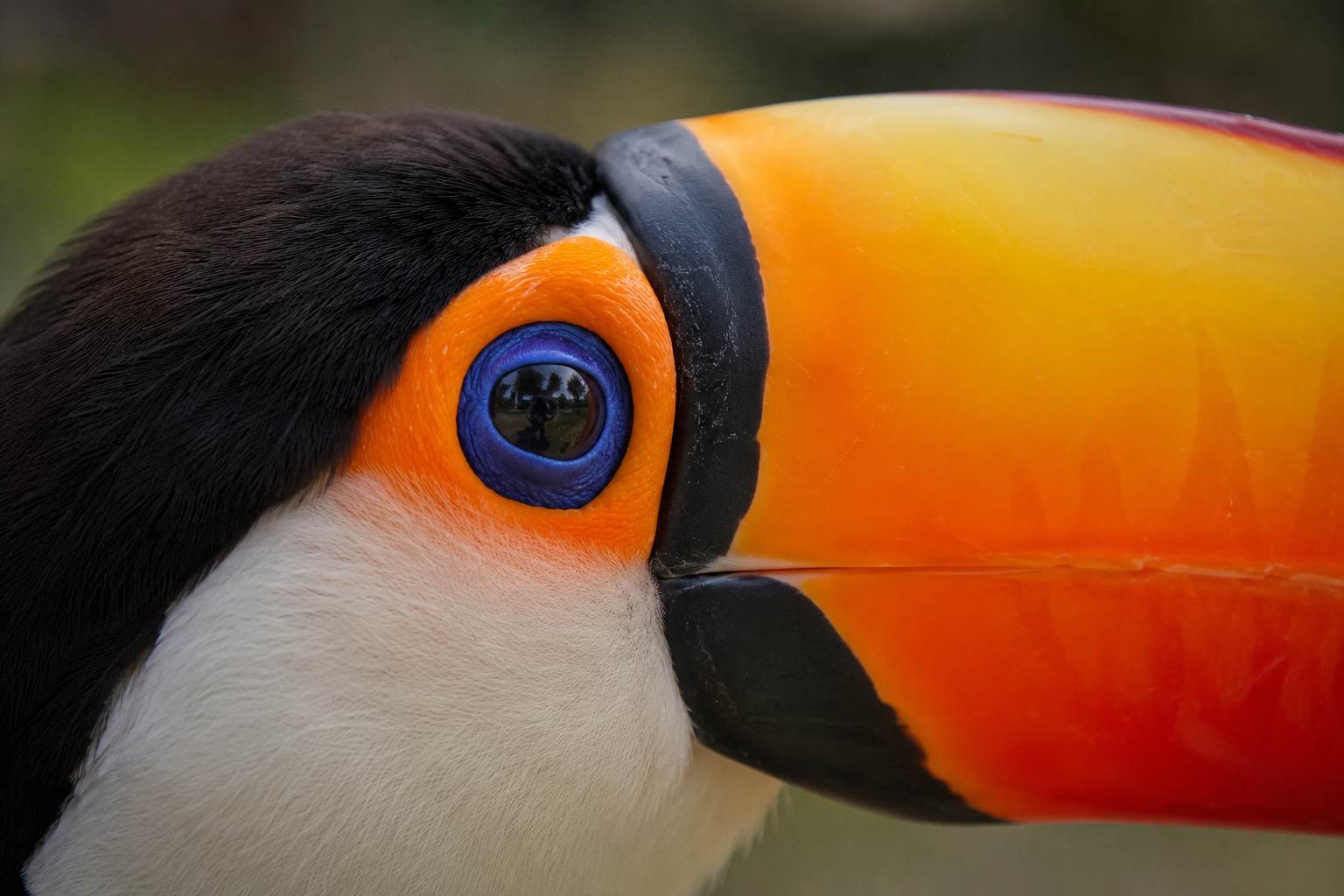
The toucan's beak, which measures up to 20 centimeters, looks heavy, but its internal structure resembles a sponge, making it extremely light. Studies published by researchers from ICMBio reveal that the beak functions as a sophisticated thermal regulation system, altering blood flow to release or conserve heat according to the variation in climatic temperature.
Social Habits and Reproduction
Toucans are monogamous and nest in natural cavities in tree trunks, often taking advantage of old holes made by woodpeckers. The pair share the tasks of hatching the eggs and feeding the chicks. Although they fly heavily, alternating wing beats with planned flights, they move with impressive ease through the densest branches of the native vegetation.
💡 Safari wisdom
The sound emitted by the toucan resembles a deep, hoarse croak, very different from the songs of other birds. During our observation tours, We advise travelers to listen to the forest: the characteristic sound of the toucan usually reveals its presence long before its vibrant colors appear at the top of the canopy.
How to visit the Pantanal?
Yara eco-safari has tours dedicated to exploring the fauna and flora of the region. Pantanal, focusing on the ethical observation of species in their natural habitat.
Our team combines in-depth knowledge of the habits of wildlife with the logistics of a high-standard eco-safari, maximizing comfort and safety at every stage of your itinerary.
Choose your exclusive itinerary:
The symbol of the canopy: discover how the bird with the imposing beak plays a vital role in the Pantanal ecosystem.
If there is an unmistakable silhouette crossing the sky of the Pantanal, is that of toucan (Ramphastos toco). Popularly known as the toco toucan, it is the largest species in its family and plays a direct role in the renewal of forests, being one of the most photographed and admired animals on our environmental safaris.
- It consumes large fruits and spreads seeds.
- It preys on the eggs and chicks of other birds in their nests.
- It feeds on lizards, insects and small amphibians.
- Spongy structure composed of light keratin.
- It acts as a thermal radiator to regulate heat.
- It reaches for food on thin, deep branches.
Opportunistic Diet and Hunting Tactics
Although many associate toucan It has surprisingly carnivorous eating habits. In Pantanal, As a result, it acts as a highly efficient opportunistic predator, raiding nests to feed on eggs and chicks. This aerial agility places it in constant interactions in the same trees where discreet felines, such as the puma, They look for shelter and observation points.
The Mystery of the Big Beak
The toucan's beak, which measures up to 20 centimeters, looks heavy, but its internal structure resembles a sponge, making it extremely light. Studies published by researchers from ICMBio reveal that the beak functions as a sophisticated thermal regulation system, altering blood flow to release or conserve heat according to the variation in climatic temperature.
Social Habits and Reproduction
Toucans are monogamous and nest in natural cavities in tree trunks, often taking advantage of old holes made by woodpeckers. The pair share the tasks of hatching the eggs and feeding the chicks. Although they fly heavily, alternating wing beats with planned flights, they move with impressive ease through the densest branches of the native vegetation.
💡 Safari wisdom
The sound emitted by the toucan resembles a deep, hoarse croak, very different from the songs of other birds. During our observation tours, We advise travelers to listen to the forest: the characteristic sound of the toucan usually reveals its presence long before its vibrant colors appear at the top of the canopy.
How to visit the Pantanal?
Yara eco-safari has tours dedicated to exploring the fauna and flora of the region. Pantanal, focusing on the ethical observation of species in their natural habitat.
Our team combines in-depth knowledge of the habits of wildlife with the logistics of a high-standard eco-safari, maximizing comfort and safety at every stage of your itinerary.
Choose your exclusive itinerary: