



When we think of Brazilian biodiversity, the anteater emerges as one of the most emblematic and unique figures. With its appearance that harks back to prehistoric times, this mammal is one of the great treasures of the world. fauna that inhabit the Pantanal plains. Encountering one of these giants walking calmly through the grasslands is one of the most rewarding experiences a safari can offer.
In this article, we'll explore the characteristics, behavior and importance of preserving the anteater in the Pantanal ecosystem.
Anatomy of a Specialist: The Design of the Banded Anteater
O anteater (Myrmecophaga tridactyla) is the largest of the four existing anteater species. It can reach two meters in length and weigh up to 45 kilos. Its most striking feature is its elongated snout, which houses a tongue that can exceed 60 centimetres in length - a perfect tool for its specialized diet.
Unlike other members of the fauna locally, it has no teeth. Its diet consists exclusively of ants and termites, and it can consume up to 30,000 insects in a single day. Its front claws are extremely strong and are used both to open termite mounds hardened by the sun and to defend itself against predators such as jaguars.
Behavior in the Immensity of the Pantanal
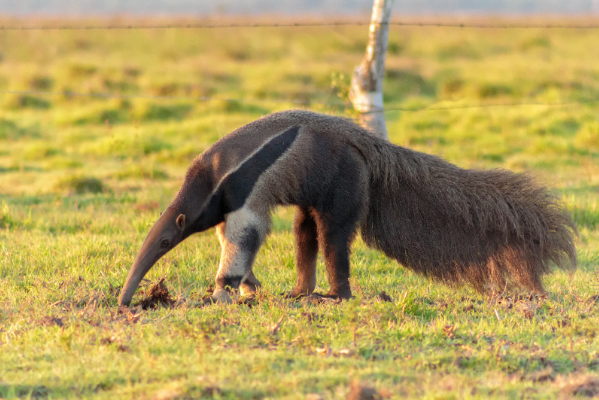
The Pantanal offers the ideal habitat for anteater, It is also known as a "solitary animal", mixing areas of open countryside with thickets of forest where it can seek shelter and shade. It is a predominantly solitary animal, meeting other animals of its species only during the mating season or when caring for mother and young.
A fascinating detail about this icon of our fauna is the way the female carries her cub on her back for almost a year. The cub's fur aligns perfectly with the mother's, creating efficient camouflage against aerial and terrestrial predators. Watching this scene during a safari is a rare privilege that demonstrates the delicacy of wildlife.
The Importance of the Anteater for Fauna Balance
Each species in the fauna Pantanal plays a vital role. O anteater acts as a natural controller of insect populations. By opening up termite mounds and anthills, it also ends up creating opportunities for other birds and small mammals to access previously protected food sources.
Unfortunately anteater is classified as a vulnerable species. Habitat loss and forest fires are constant threats. For this reason, ethical observation tourism, such as that practiced by the Yara Ecosafari, is essential. It generates value for the living animal and encourages the preservation of the areas where these giants circulate.
How to Spot the Anteater Safely
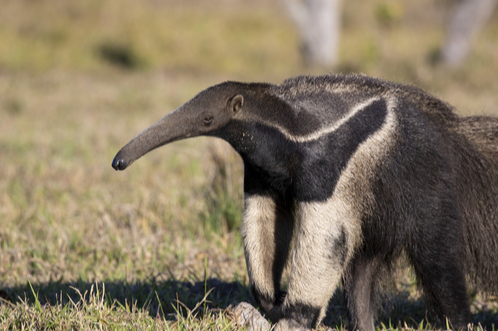
To spot a anteater, It takes patience and a trained eye. They have a keen sense of hearing and smell, although sight is not their strong suit. During the safaris, our guides use silent approach techniques to ensure that the animal doesn't feel cornered and continues its natural behavior.
If you're passionate about nature photography, this animal offers incredible angles, especially during the “golden dawn” or late afternoon, when they're usually at their most active. To find out more about how to prepare for this adventure, check out our tips on the Pantanal lifestyle.
Conclusion: An Unforgettable Meeting
O anteater is more than just a curious animal; it is a symbol of the resilience of the world. fauna Brazil. To see it up close in the Pantanal is to understand the complexity and beauty of natural evolution.
If you want to experience this encounter and learn more about the secrets of the Pantanal, book your experience with someone who understands conservation and logistics to a high standard. The majesty of wildlife awaits you.
Yara eco-safari has tours dedicated to exploring the fauna and flora of the Pantanal, and of course the jaguar is one of the stars of the safari
Our team combines in-depth knowledge of the feline's habits with the logistics of a high-standard eco-safari. We ensure that observation is ethical and effective, without disturbing wildlife. From planning the best river routes to relaxing in the best comfort and safety.
Yara has specific packages for jaguar sightings, below are 3 options:
Jaguar express safari - 4-day tour
Jaguar essential safari - 5 days of sightseeing
Jaguar immersive safari - 6 days of sightseeing
Book your experience.