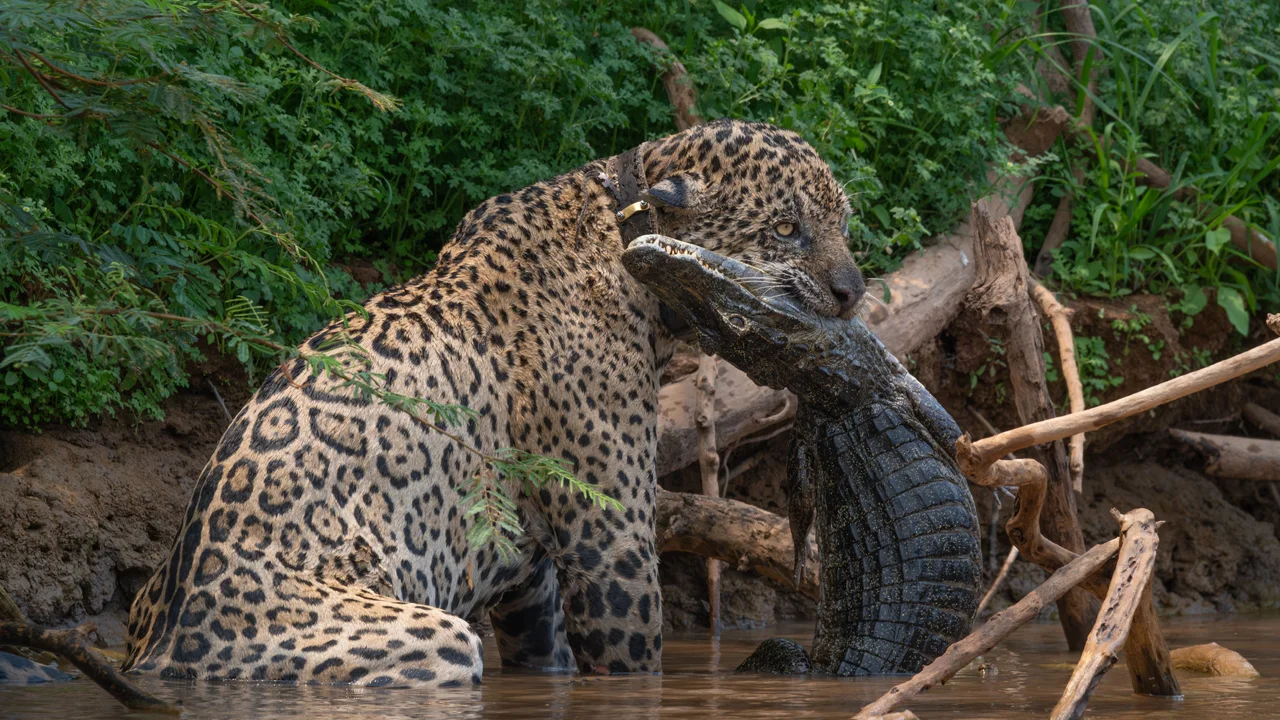





If you've ever come across a tinga alligator On the banks of the Pantanal wetlands, he felt the fascination with wildlife awaken. These reptiles, which inhabit Brazil’s freshwater rivers and wetlands, are extremely efficient predators and key players in the ecological balance.
O tinga alligator plays a vital role in aquatic ecosystems, helping to maintain the rich biodiversity of the Pantanal and the Amazon. Its admirable behavior and incredible evolutionary adaptations make it one of the most striking symbols of Brazilian wildlife.
Introduction to the Tinga Alligator
O tinga alligator, scientifically known as Caiman crocodilus, belongs to the Alligatoridae family. It is commonly found in various freshwater habitats, including rivers, lagoons, streams, and flooded floodplain areas.
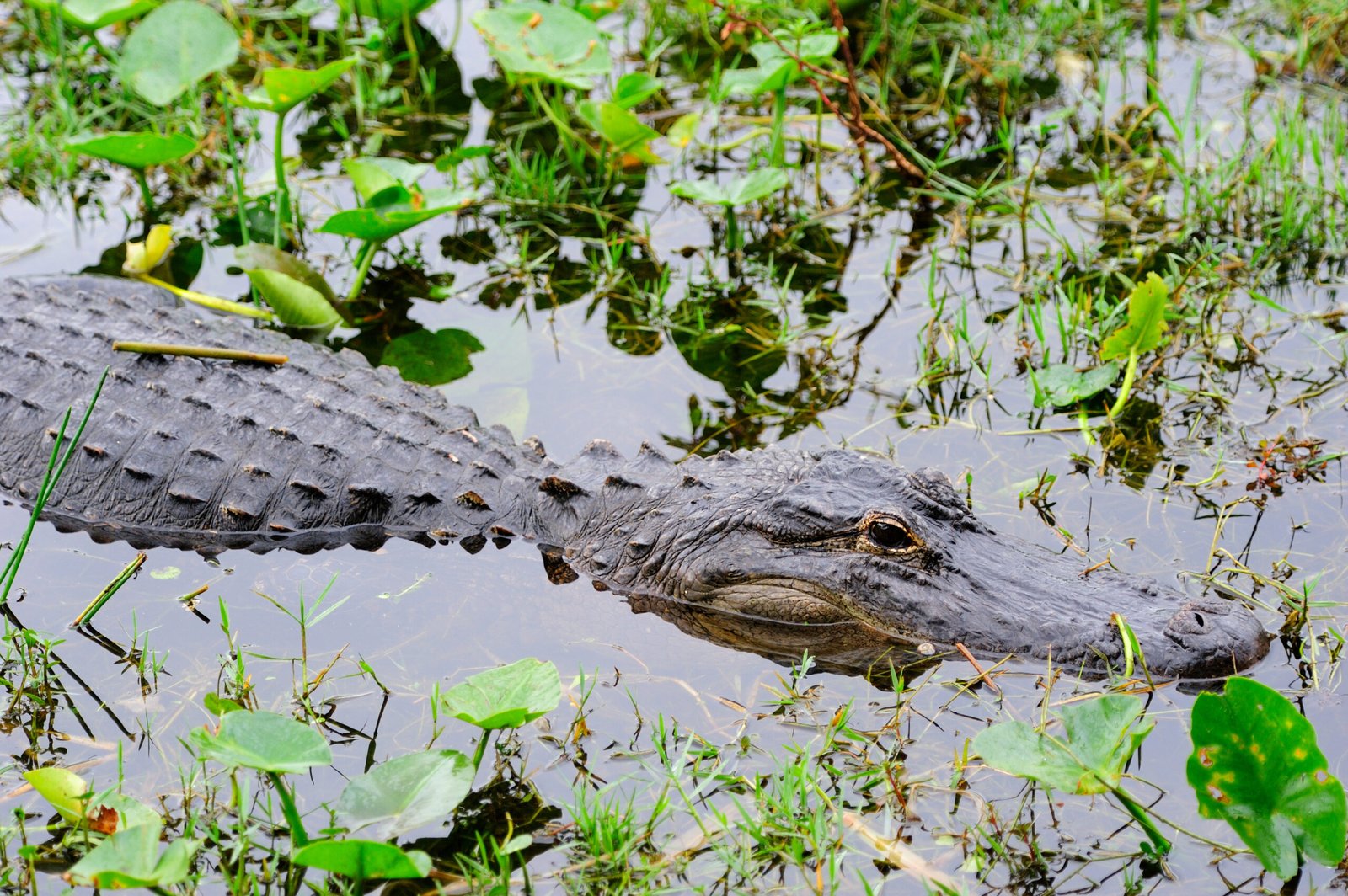
In addition to being an opportunistic hunter, the tinga alligator It is an excellent bioindicator of environmental quality. Because it requires preserved habitats and clean aquatic ecosystems to reproduce, its abundance indicates that the local food chain is functioning properly.
Physical Characteristics and Adaptations
Its color ranges from olive green to dark brown, with black transverse bands. This pigmentation provides impeccable camouflage amid the aquatic vegetation and river mud, allowing it to go unnoticed by its prey.
Another notable feature is the presence of a bony ridge between the eyes, which resembles a pair of eyeglass frames (the origin of its English name, Spectacled Caiman). Its eyes and nostrils are located on top of its head, allowing it to remain almost completely submerged while observing its surroundings. A transparent nictitating membrane protects its eyes underwater without impairing its vision.
With sharp teeth and a powerful jaw, the tinga alligator It has the ability to continuously regenerate teeth and can replace between 60 and 70 teeth over its lifetime.
Natural Habitat and Geographic Distribution
The habitat of the tinga alligator It consists of slow-moving or calm freshwater bodies. Geographically, it is found throughout Central and South America. In Brazil, it is found in great abundance in the Amazon, Araguaia-Tocantins, and Paraguay River basins, in the heart of the Pantanal.
Behavior and Eating Habits
These reptiles are predominantly nocturnal, and it is during this time that they carry out most of their hunting forays. During the hottest hours of the day, they usually rest on sunny banks to regulate their body temperature (thermoregulation).
Their diet varies depending on their life stage. As juveniles, they feed on insects and small crustaceans. As adults, they become generalist carnivores, consuming fish, waterfowl, small mammals, and reptiles. One remarkable technique is the “death spin,” in which the alligator rapidly spins its body in the water to dismember larger prey and make it easier to swallow.
Reproduction and Life Cycle
The breeding season occurs during the rainy season. The female builds circular nests using mud and decaying vegetation. The heat generated by the decomposition of the leaves helps incubate the 20 to 40 eggs she lays.
As with other crocodilians, the average nest temperature determines the sex of the hatchlings: slightly higher temperatures favor the hatching of males. After hatching, the mothers exhibit strong parental care, carrying the hatchlings in their mouths and protecting them from predators for several months. In the wild, a tinga alligator It can live up to 50 years.
Fascinating Facts About the Tinga Alligator
- Advanced Night Vision: They have a reflective layer behind the retina called tapetum lucidum, which increases the available light and makes your eyes glow in the dark when they're hit by light.
- Integumentary Sensory Receptors: They have small sensory organs scattered across their scales and jaws, capable of detecting the slightest vibration or pressure in the water caused by nearby fish or prey.
- COLOR CHANGE: O tinga alligator It has the ability to slightly change the tone of your skin; on cold days, it darkens to better absorb the sun's heat.
💡 Conservation and Threats to the Species
Although it is a resilient species and is classified as "Least Concern" on the Red List of the IUCN, o tinga alligator faces serious local threats such as deforestation, river pollution, and illegal hunting for the fur and meat trade. Preserving the headwaters and supporting conservation organizations such as the ICMBio It is essential to ensure that these reptiles continue to play their role in controlling fish populations and aquatic pests.
Come See the Pantanal's Alligators Up Close!
Experience the thrill of cruising along the Pantanal’s rivers and spotting fascinating wildlife in its natural habitat with the Yara Eco Safari team.
If you've ever come across a tinga alligator On the banks of the Pantanal wetlands, he felt the fascination with wildlife awaken. These reptiles, which inhabit Brazil’s freshwater rivers and wetlands, are extremely efficient predators and key players in the ecological balance.
O tinga alligator plays a vital role in aquatic ecosystems, helping to maintain the rich biodiversity of the Pantanal and the Amazon. Its admirable behavior and incredible evolutionary adaptations make it one of the most striking symbols of Brazilian wildlife.
Introduction to the Tinga Alligator
O tinga alligator, scientifically known as Caiman crocodilus, belongs to the Alligatoridae family. It is commonly found in various freshwater habitats, including rivers, lagoons, streams, and flooded floodplain areas.
In addition to being an opportunistic hunter, the tinga alligator It is an excellent bioindicator of environmental quality. Because it requires preserved habitats and clean aquatic ecosystems to reproduce, its abundance indicates that the local food chain is functioning properly.
Physical Characteristics and Adaptations
Its color ranges from olive green to dark brown, with black transverse bands. This pigmentation provides impeccable camouflage amid the aquatic vegetation and river mud, allowing it to go unnoticed by its prey.
Another notable feature is the presence of a bony ridge between the eyes, which resembles a pair of eyeglass frames (the origin of its English name, Spectacled Caiman). Its eyes and nostrils are located on top of its head, allowing it to remain almost completely submerged while observing its surroundings. A transparent nictitating membrane protects its eyes underwater without impairing its vision.
With sharp teeth and a powerful jaw, the tinga alligator It has the ability to continuously regenerate teeth and can replace between 60 and 70 teeth over its lifetime.
Natural Habitat and Geographic Distribution
The habitat of the tinga alligator It consists of slow-moving or calm freshwater bodies. Geographically, it is found throughout Central and South America. In Brazil, it is found in great abundance in the Amazon, Araguaia-Tocantins, and Paraguay River basins, in the heart of the Pantanal.
Behavior and Eating Habits
These reptiles are predominantly nocturnal, and it is during this time that they carry out most of their hunting forays. During the hottest hours of the day, they usually rest on sunny banks to regulate their body temperature (thermoregulation).
Their diet varies depending on their life stage. As juveniles, they feed on insects and small crustaceans. As adults, they become generalist carnivores, consuming fish, waterfowl, small mammals, and reptiles. One remarkable technique is the “death spin,” in which the alligator rapidly spins its body in the water to dismember larger prey and make it easier to swallow.
Reproduction and Life Cycle
The breeding season occurs during the rainy season. The female builds circular nests using mud and decaying vegetation. The heat generated by the decomposition of the leaves helps incubate the 20 to 40 eggs she lays.
As with other crocodilians, the average nest temperature determines the sex of the hatchlings: slightly higher temperatures favor the hatching of males. After hatching, the mothers exhibit strong parental care, carrying the hatchlings in their mouths and protecting them from predators for several months. In the wild, a tinga alligator It can live up to 50 years.
Fascinating Facts About the Tinga Alligator
- Advanced Night Vision: They have a reflective layer behind the retina called tapetum lucidum, which increases the available light and makes your eyes glow in the dark when they're hit by light.
- Integumentary Sensory Receptors: They have small sensory organs scattered across their scales and jaws, capable of detecting the slightest vibration or pressure in the water caused by nearby fish or prey.
- COLOR CHANGE: O tinga alligator It has the ability to slightly change the tone of your skin; on cold days, it darkens to better absorb the sun's heat.
💡 Conservation and Threats to the Species
Although it is a resilient species and is classified as "Least Concern" on the Red List of the IUCN, o tinga alligator faces serious local threats such as deforestation, river pollution, and illegal hunting for the fur and meat trade. Preserving the headwaters and supporting conservation organizations such as the ICMBio It is essential to ensure that these reptiles continue to play their role in controlling fish populations and aquatic pests.
Come See the Pantanal's Alligators Up Close!
Experience the thrill of cruising along the Pantanal’s rivers and spotting fascinating wildlife in its natural habitat with the Yara Eco Safari team.