


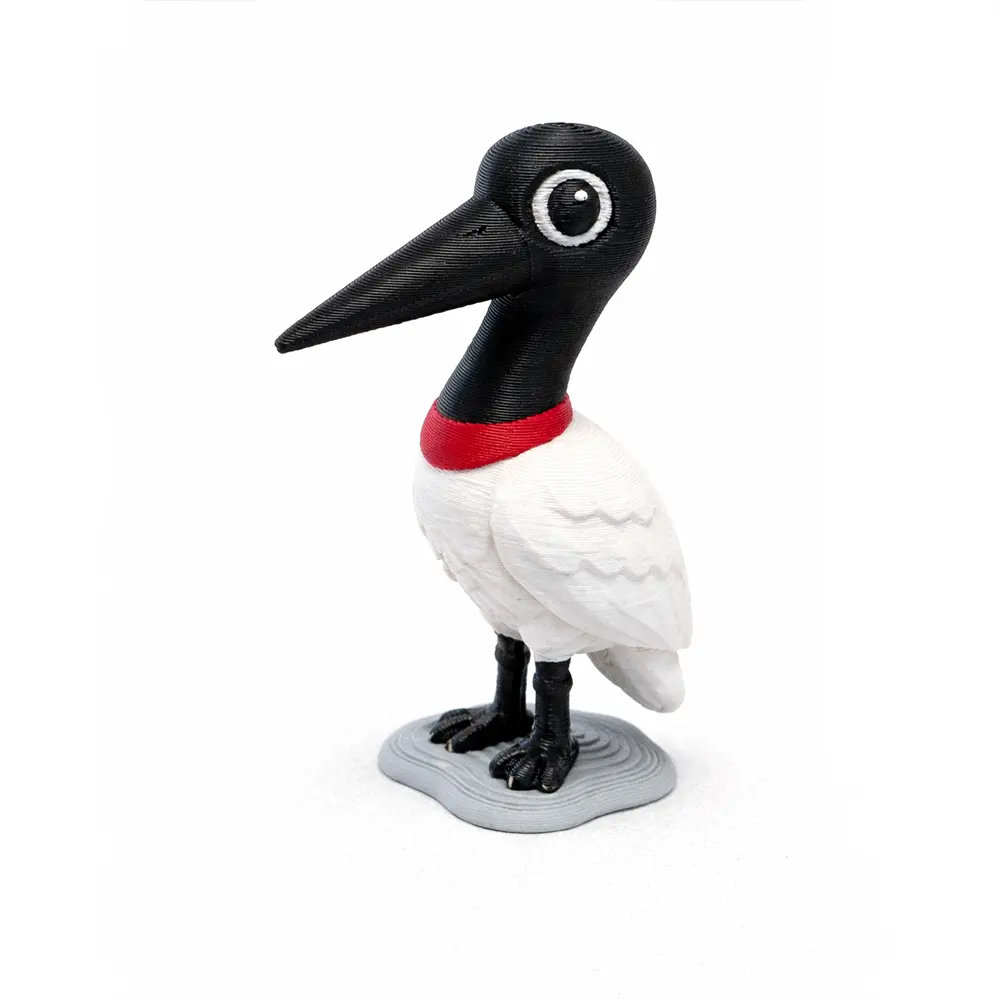
Majestad alada: descubre el impresionante diseño biológico que se esconde tras la cigüeña jabiru, el gigantesco ave soberana de los humedales.
Si hay una imagen que define la magnitud épica de la Pantanal paisajes, es la silueta de un Cigüeña jabiru (Jabiru mycteria) erguido sobre su monumental nido. Esta ave zancuda de aspecto prehistórico es el símbolo oficial del bioma y un indicador biológico fundamental de la salud medioambiental local.
- Envergadura enorme que alcanza hasta los 2,60 metros.
- Bolsillo elástico en la nuca que se utiliza para la termorregulación.
- Nidos permanentes reutilizados por varias generaciones.
- Envergadura más reducida, con una media de alrededor de 1,50 metros.
- Completamente sin plumas, con la cabeza y el cuello oscuros.
- Caza en colonias sociales muy densas.
Anatomía de los gigantes y tácticas de caza
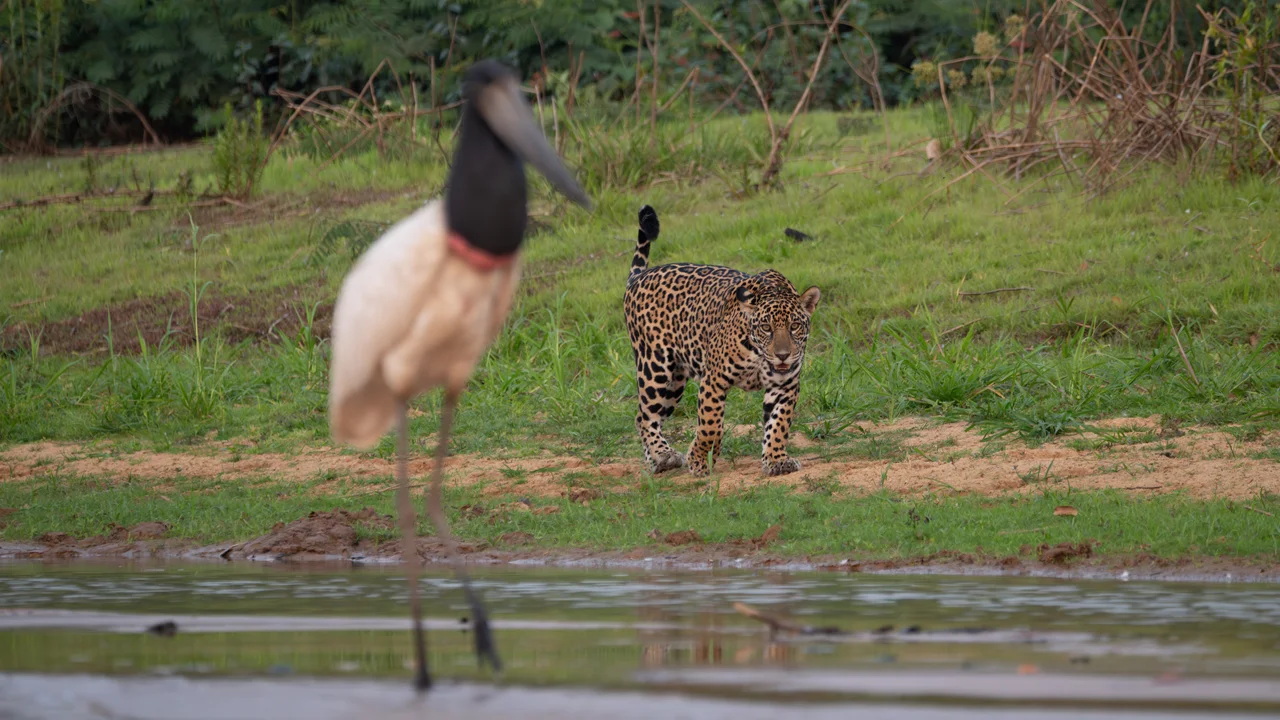
El Jabiru Es visualmente impresionante y suele superar los 1,40 metros de altura. Su pico largo y pesado, de color negro y ligeramente curvado hacia arriba en la punta, es una herramienta precisa para capturar peces, moluscos y anfibios en aguas poco profundas. Durante los períodos estacionales de sequía, patrullan las lagunas que se van secando, alimentándose a menudo de especies comunes de los humedales como el piraña, lo que mantiene las poblaciones acuáticas en perfecto equilibrio.
Los nidos más grandes de Sudamérica
La arquitectura de cría del Jabiru es una maravilla de la ingeniería. Construyen sus nidos en las copas de los árboles más altos, como los árboles de trompeta autóctonos y los mandateiros. Estas estructuras, hechas de ramas gruesas y revestidas de hojas, son ampliadas año tras año por la misma pareja monógama. Los informes científicos supervisados por ICMBio Estas estructuras pueden superar los 1,5 metros de diámetro, llegando a ser tan sólidas que posteriormente sirven de refugio a especies de aves y mamíferos más pequeños.
La bolsa roja y el comportamiento social
La banda de un rojo intenso que se distingue en la base del cuello no es solo ornamental. Se trata de una zona de piel sin plumas y muy vascularizada que se hincha cuando el ave está emocionada o necesita liberar calor durante el calor abrasador Pantanal días. Cuando los padres se reencuentran en el nido, realizan una danza ritual en la que chocan sus picos, un sonido rítmico que resuena por toda la sabana y refuerza su vínculo familiar.
💡 Sabiduría del safari
Los polluelos de jabiru nacen con un plumaje blanco, suave y esponjoso que se oscurece hasta adquirir un tono grisáceo antes de alcanzar la madurez completa. En nuestro safaris fotográficos de fauna salvaje, contemplar estos colosales lugares de anidación entre julio y octubre es sin duda una de las experiencias más enriquecedoras del viaje.
¿Cómo visitar el Pantanal?
Yara Eco Safari ofrece excursiones dedicadas a explorar el Pantanal, centrándose en la observación ética de las especies en su hábitat natural.
Nuestro equipo combina un profundo conocimiento de los humedales de las tierras bajas con una logística de safaris ecológicos de alta gama para garantizar tu comodidad y seguridad durante todo el viaje.
Elige tu itinerario exclusivo: