


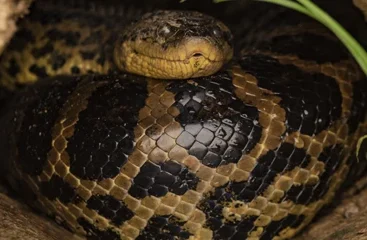
A anaconda, is one of the most fascinating and imposing animals on the planet. Recently, with the release of the new movie franchise in 2025, interest in this giant snake has reached a new level of hype. But beyond the silver screen and Hollywood special effects, the real story of the anaconda happens in vibrant ecosystems like Pantanal and Amazon. At Yara Eco Safari, we believe that reality is even more impressive than fiction.
Unlike the movies suggest, the anaconda is not a ruthless monster that hunts humans for sport. It is an essential part of the ecological balance in wetlands. In Brazil, we mainly find the yellow anaconda in the Pantanal and the green anaconda, which can reach monumental sizes, in the forests of the Amazon. For those seeking an authentic adventure, understanding the behavior of these reptiles is the first step towards an unforgettable safari experience.
The Habitat of the Anaconda: Pantanal vs. Amazon
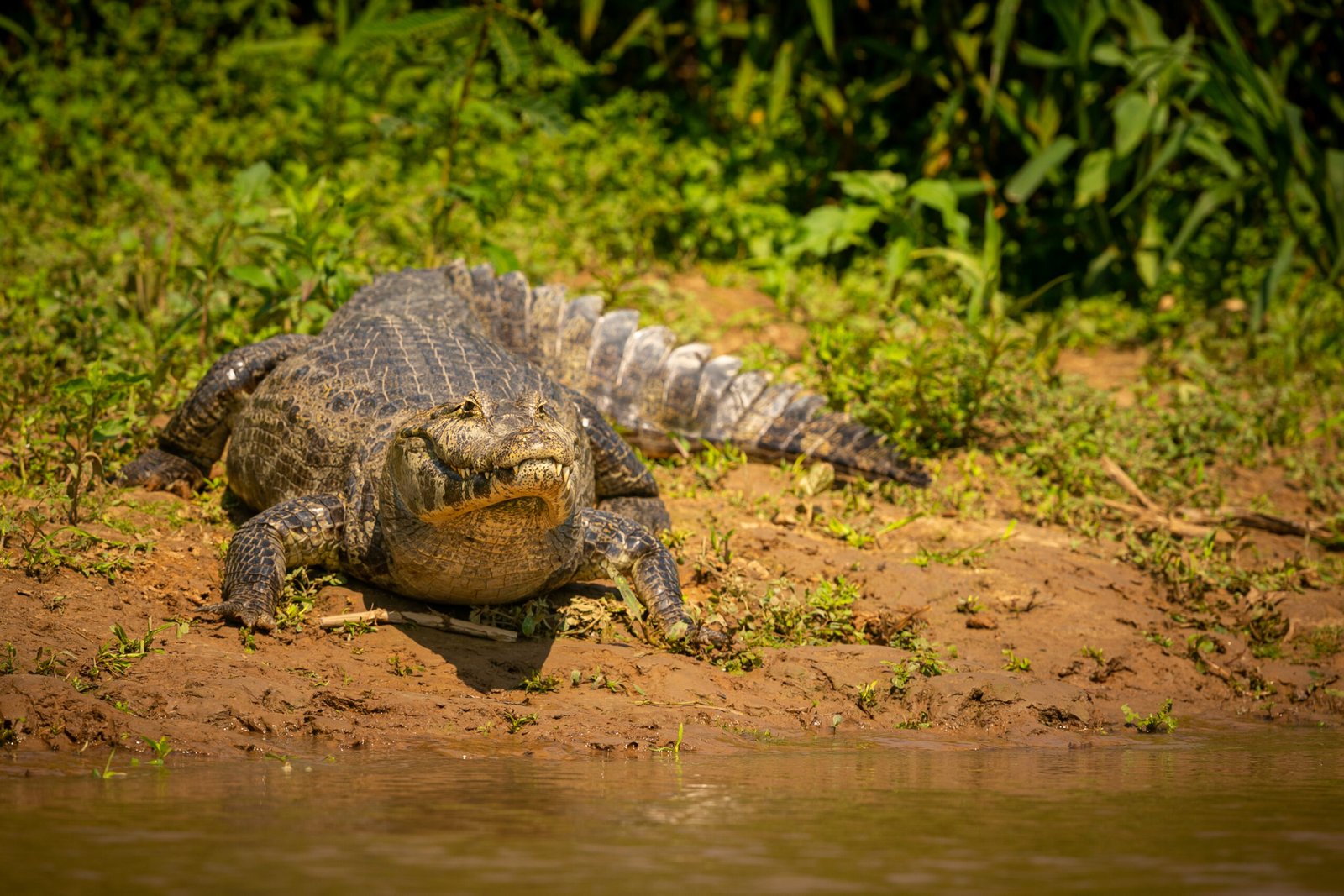
Although both biomes are home to these snakes, the sighting experience changes dramatically. In Amazon, The density of the forest makes the encounter an exciting challenge, hidden under the dark waters of the igapós. In Pantanal, The visibility is often better, especially during the ebb, where anacondas can be seen sunbathing on the riverbanks to regulate their body temperature. If you want to see one Anaconda and participate in safaris photography, the Pantanal in the south of Mato Grosso is the ideal destination.
Movie Myths vs. Biological Reality
The movie 2025 has brought back the ancient fear of giant snakes. However, biologists from Butantan Institute explain that, although anaconda is the heaviest snake in the world, it prefers to avoid human contact. They feed on capybaras, caimans and fish, using their constrictive strength. Contrary to fiction, they are agile swimmers and spend most of their time submerged, using their eyes and nostrils positioned on the top of their head to monitor their surroundings.
Conservation and Sustainable Tourism
The preservation of anaconda is directly linked to the health of watersheds. Organizations such as WWF Brazil and SOS Pantanal work tirelessly to protect the habitat of these animals from deforestation and burning. Observation tourism, when done ethically, generates value for conservation, showing that a live snake is worth much more to the local economy than the destruction of its environment.
At Yara Eco Safari, our language is based on respect and a deep connection with nature. We don't just seek a close-up for the photo, but an understanding of the role of each species. Seeing a anaconda gliding silently through the waters of the Pantanal is a reminder of the brute strength and delicate beauty of Brazilian wildlife.
If the movie has piqued your curiosity, come and meet the true star of Brazilian biodiversity with us. A Yara Eco Safari offers personalized itineraries for those who want to explore the heart of the Amazon or the plains of Pantanal with safety and expertise.
How to visit the Pantanal?
Yara eco-safari has tours dedicated to exploring the fauna and flora of the Pantanal, and of course the jaguar is one of the stars of the safari
Our team combines in-depth knowledge of feline habits with the logistics of a high-standard eco-safari. We ensure that the observation is ethical and effective, without disturbing the wildlife. From planning the best river routes to relaxing in the best comfort and safety.
Yara has specific packages for jaguar sightings, below are 3 options:
Jaguar express safari - 4-day tour
Jaguar essential safari - 5 days of sightseeing
Jaguar immersive safari - 6 days of sightseeing
Book your experience.