


Canopy icons: learn how the most colorful bird in the Americas shapes the Pantanal ecosystem.
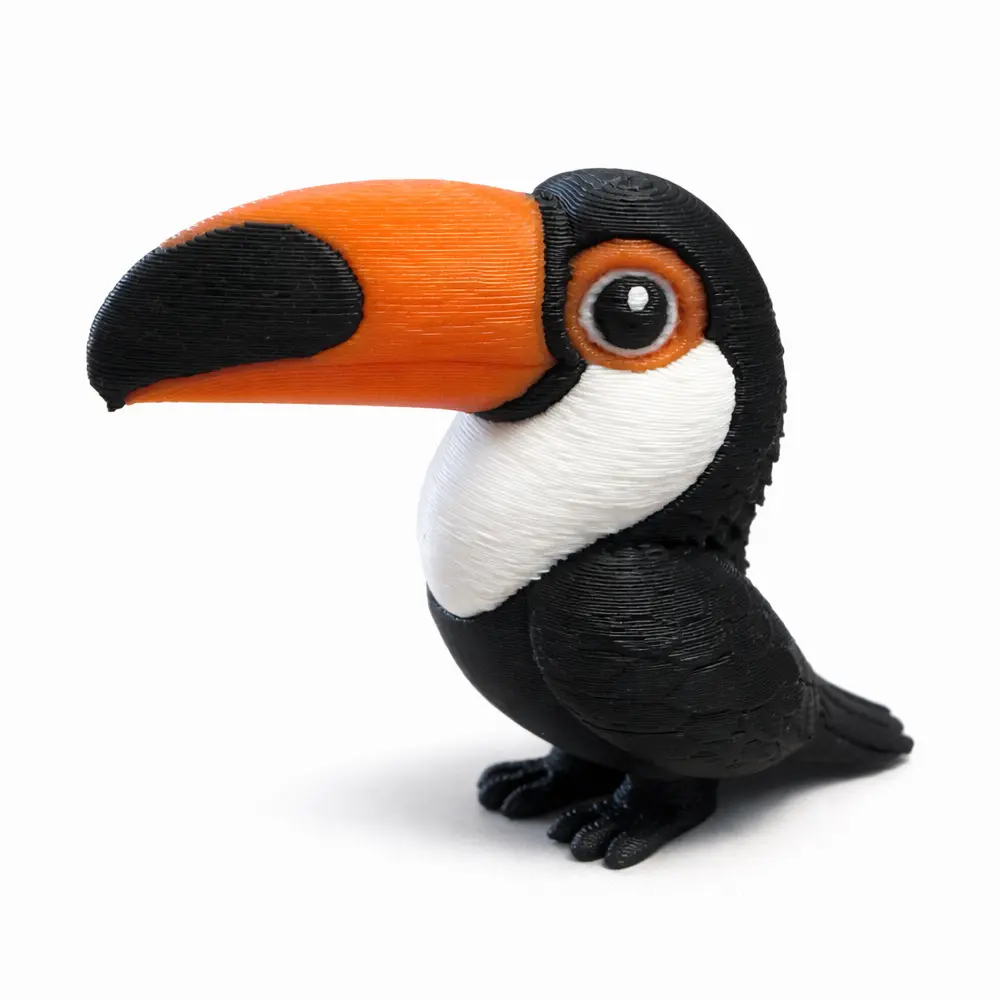
If there is an unmistakable silhouette crossing the Pantanal sky, it is that of the toucan (Ramphastos toco). Popularly known as the Toco Toucan, it is the largest species in its family, playing a key role in forest regeneration and standing out as a true safari favorite.
- Consumes large fruits and disperses seeds.
- Preys on eggs and chicks from other nests.
- Feeds on insects, lizards, and small amphibians.
- Spongy internal structure made of light keratin.
- Acts as a thermal radiator to regulate body heat.
- Reaches food on deep, thin tree branches.
An Opportunistic Diet and Hunting Habits
While many associate the toucan strictly with fruit eating, it exhibits surprisingly carnivorous feeding behaviors. In the Pantanal, it acts as a highly efficient opportunistic predator, raiding nests for eggs and hatchlings. This aerial agility brings them into constant interaction across the same trees where elusive felines like the cougar seek shelter and vantage points.
The Mystery of the Great Bill
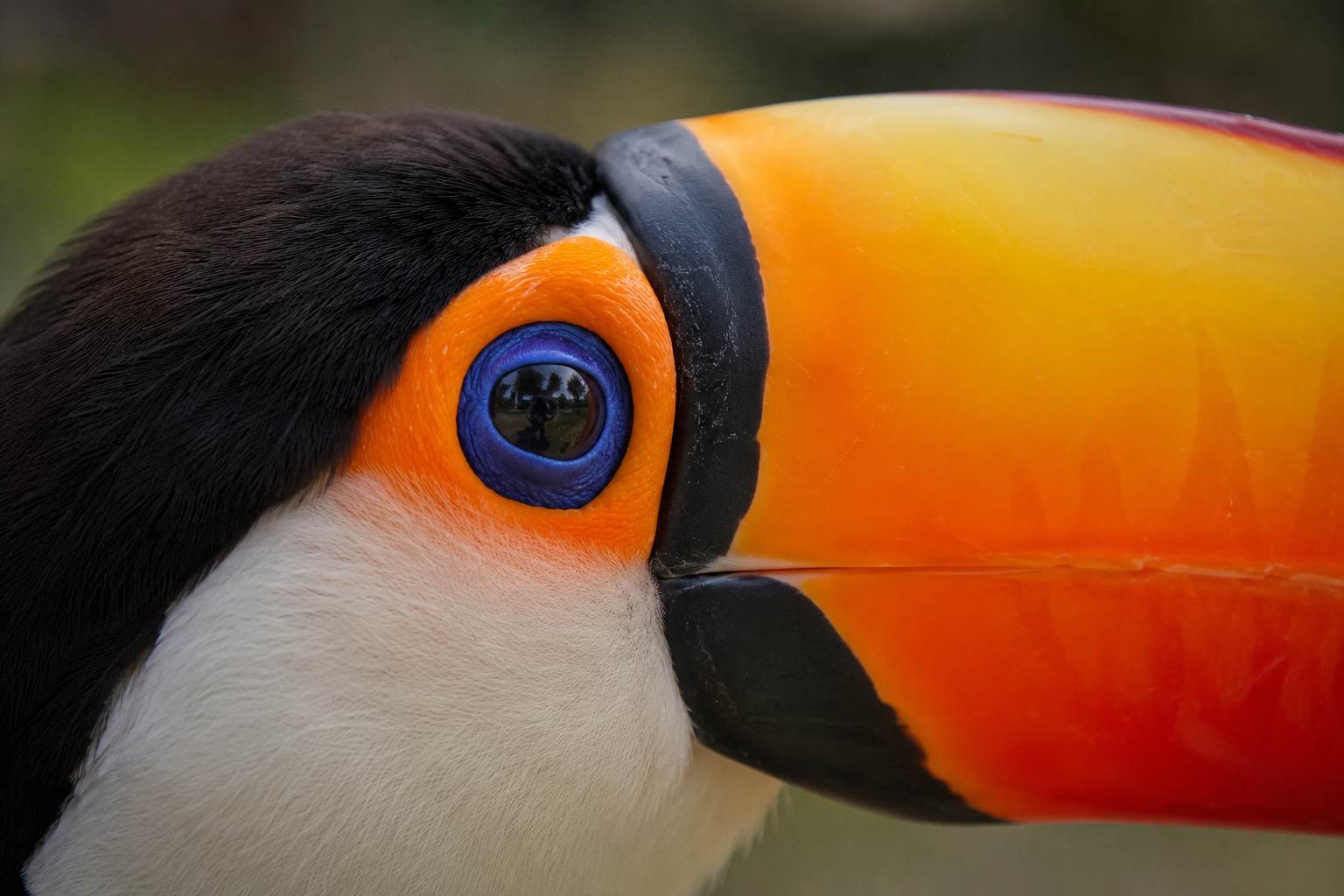
The toucan’s bill, which can measure up to 20 centimeters, appears heavy, but its internal structure resembles a sponge, making it incredibly lightweight. Research published by environmental agencies like ICMBio reveals that the bill works as a sophisticated thermal regulator, altering blood flow to release or conserve heat depending on climate changes.
Social Habits and Breeding
Toucans are monogamous and nest in natural tree hollows, often repurposing old cavities left by woodpeckers. Both parents share the duties of incubating the eggs and feeding the chicks. Although their flight path is somewhat heavy—alternating flapping with gliding—they navigate through dense native branches with impressive ease.
💡 Safari Wisdom
The sound made by the toucan is a deep, coarse croak, completely different from standard bird songs. During our wildlife tours, we advise travelers to listen carefully: the toucan’s distinct croaking often reveals its presence long before its bright colors appear in the upper canopy.
How to visit the Pantanal?
Yara Eco Safari offers tours dedicated to exploring the Pantanal, focusing on the ethical observation of species in their natural habitat.
Our team combines deep knowledge with high-end eco-safari logistics to ensure your comfort and safety throughout the entire journey.
Choose your exclusive itinerary: