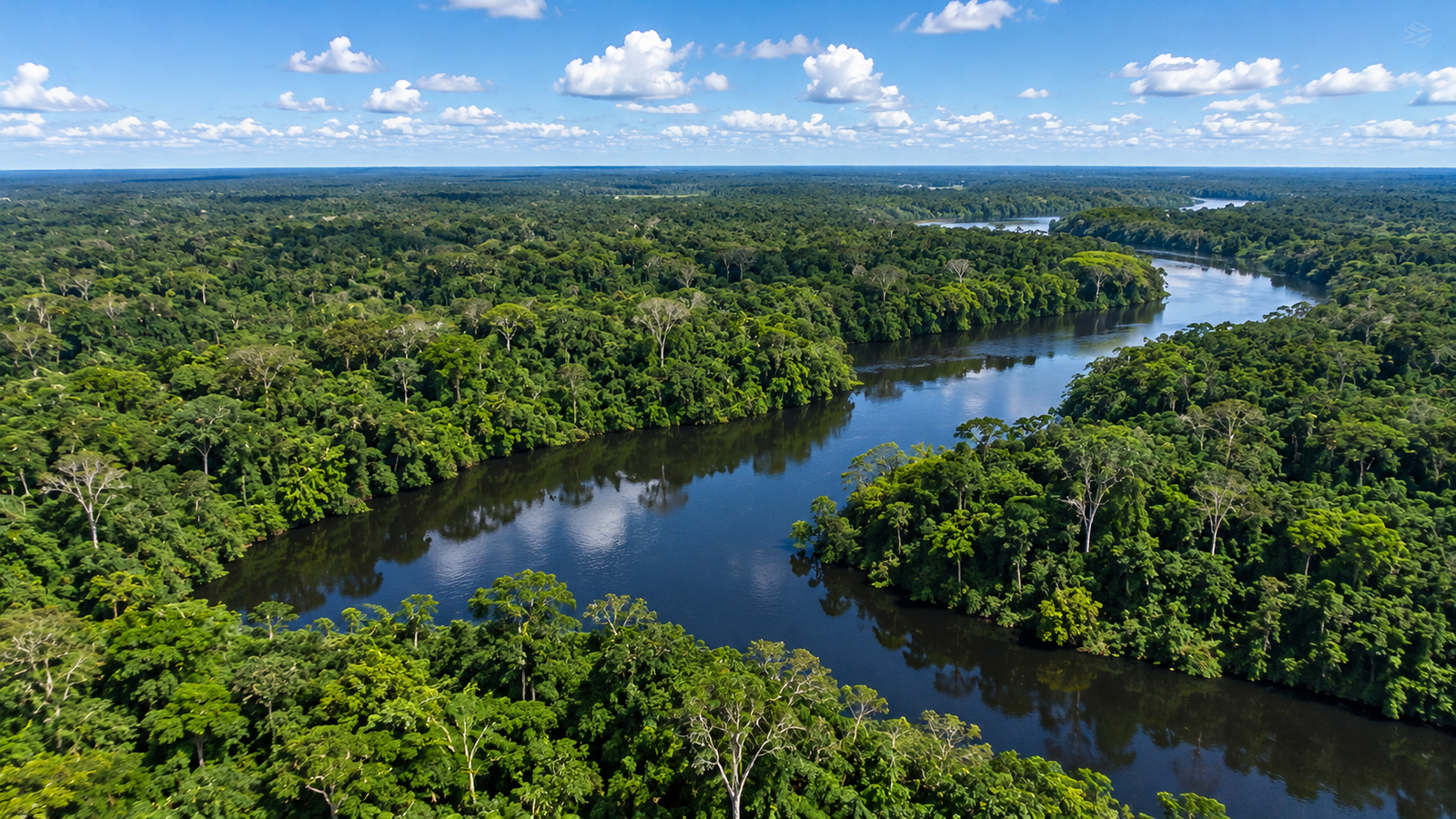



In recent months, one topic has dominated global headlines regarding economics, sustainability, and geopolitics: Brazilian rare earths. At a time when technological advancements are progressing at lightning speed, a pressing question arises: why is the whole world watching Brazilian lands?
To fully grasp the magnitude of this issue, we must first understand that rare earths are not just another mineral resource. They are the invisible engine of modern technology. Without them, the much-needed global energy transition and technological innovation simply cannot happen.
In this educational and journalistic article, we will thoroughly explore what these elements are, the immense strategic wealth of our reserves, and, most importantly, why this national treasure and our ecosystems are currently threatened by high global demand.
What Are Rare Earths and Their Global Relevance?
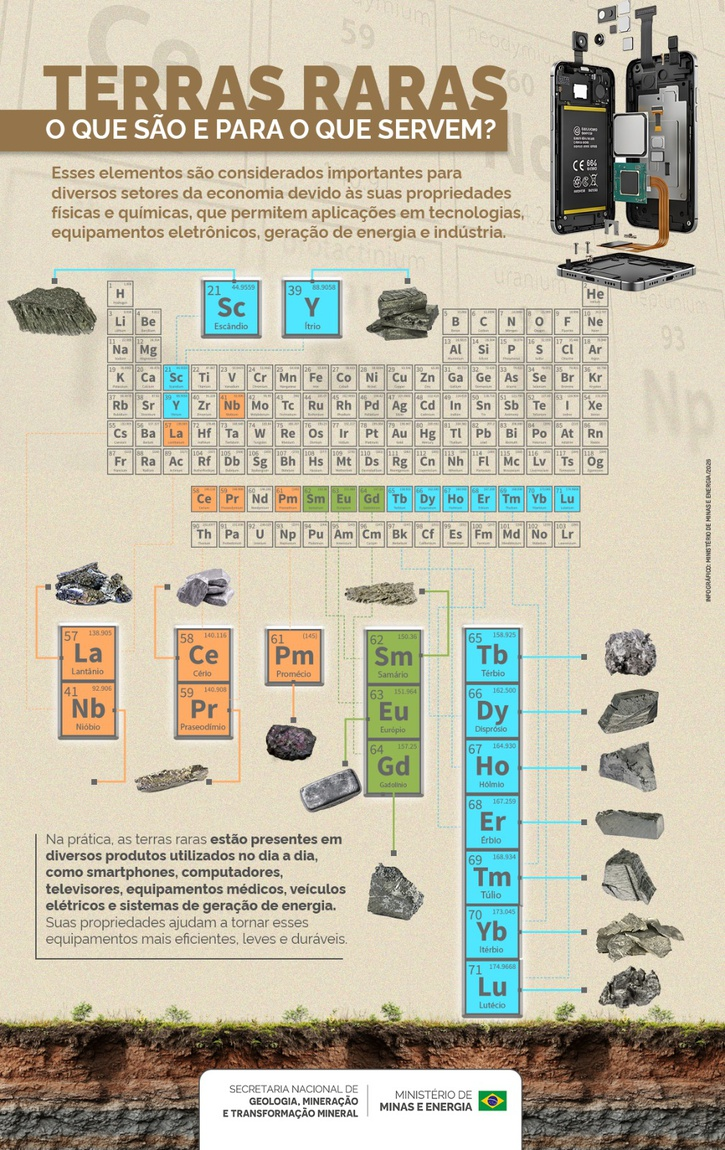
Despite their curious name, rare earths are not exactly scarce in the Earth’s crust. They comprise a group of 17 chemical elements (such as neodymium, praseodymium, and dysprosium) that possess unmatched magnetic, luminescent, and electrochemical properties. The true “rarity” lies in the difficulty of finding them in high concentrations that make economic extraction and the complex separation of minerals viable.
These elements are absolutely indispensable for manufacturing virtually all current cutting-edge technology. They are present in smartphone screens, in the super magnets of electric car motors and batteries, in the massive wind turbines that generate clean energy, and even in advanced medical MRI equipment.
The Wealth of Brazilian Reserves: A Focal Point of Dispute
Currently, China almost entirely dominates the extraction and refining of rare earths globally. This dependency creates a worrying geopolitical bottleneck for powers like the United States and Europe. This is exactly where Brazil steps into the spotlight.
Brazilian territory is emerging as a major protagonist for the diversification of this supply chain. Recent studies and surveys indicate that Brazil may host the second-largest reserve of Brazilian rare earths on the planet, scattered across states like Minas Gerais, Goiás, and Amazonas. This prospect attracts the attention—and multimillion-dollar investments—of corporations worldwide seeking security for the production of clean technology.
Why Is This National Wealth Threatened?
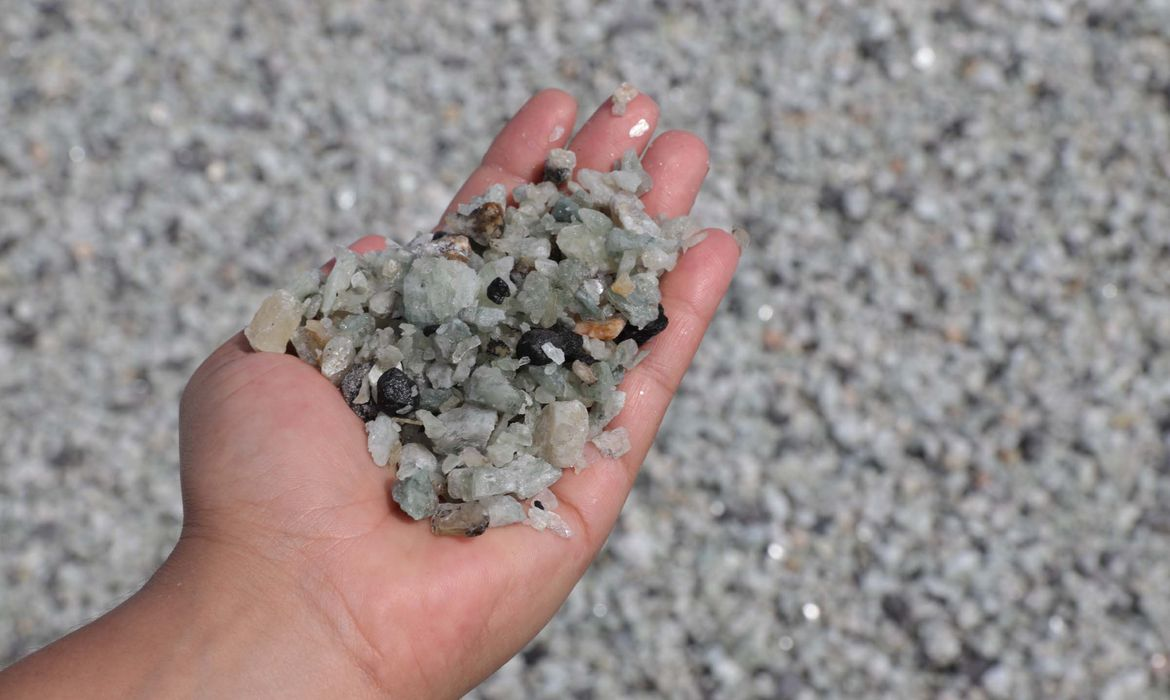
With immense wealth comes colossal challenges. The massive and urgent interest of the global market places unprecedented pressure on our environment. Rare earth mining is a highly aggressive industrial process. If not strictly monitored, it requires the removal of vast amounts of soil and uses heavy chemicals to separate the elements.
The main environmental threats include the contamination of groundwater and river basins by toxic residues (often radioactive due to the presence of associated uranium and thorium), as well as the irreversible degradation of biomes and accelerated deforestation.
Another vulnerability point is the economic threat of predatory mining and smuggling. Without the domestic technological infrastructure to process the minerals, Brazil runs the risk of assuming the entire environmental liability—soil destruction and water pollution—while exporting the raw material at a low cost, leaving the profit of the final product in the hands of other nations.
Education and Awareness: The Importance of Our Lands
Protecting and sustainably managing our reserves is not just a financial issue; it is a matter of environmental survival and sovereignty. Deeply understanding national biodiversity and geology is the first step towards demanding efficient public policies.
The transition to a greener, more sustainable world cannot occur at the expense of destroying our own biomes, such as the Amazon and the Pantanal. It is essential that Brazil demands technology transfer, strict environmental regulations, and a fair return that benefits local communities.
💡 EDUCATIONAL SUMMARY
The world is watching Brazil because we hold the critical raw materials (rare earths) for the future of global technology and clean energy. However, this demand places our ecosystems under immense pressure. The true challenge is to seize this economic opportunity by demanding sustainable mining that does not leave a legacy of destruction in our nature.

Learn to Love and Protect Our Nature!
The best way to defend our lands is by getting to know the living wealth they harbor. Explore the fauna and flora of the Pantanal with sustainable ecotourism experts: