


The title might sound frightening, but the warning is entirely real and urgent. When we suggest that Brazil could be responsible for the end of the world, we are referring to the direct impact that the destruction of our biomes has on the global climate. Uncontrolled deforestation is currently at the center of an unprecedented environmental crisis, affecting not only our biodiversity but the future of the entire planet.
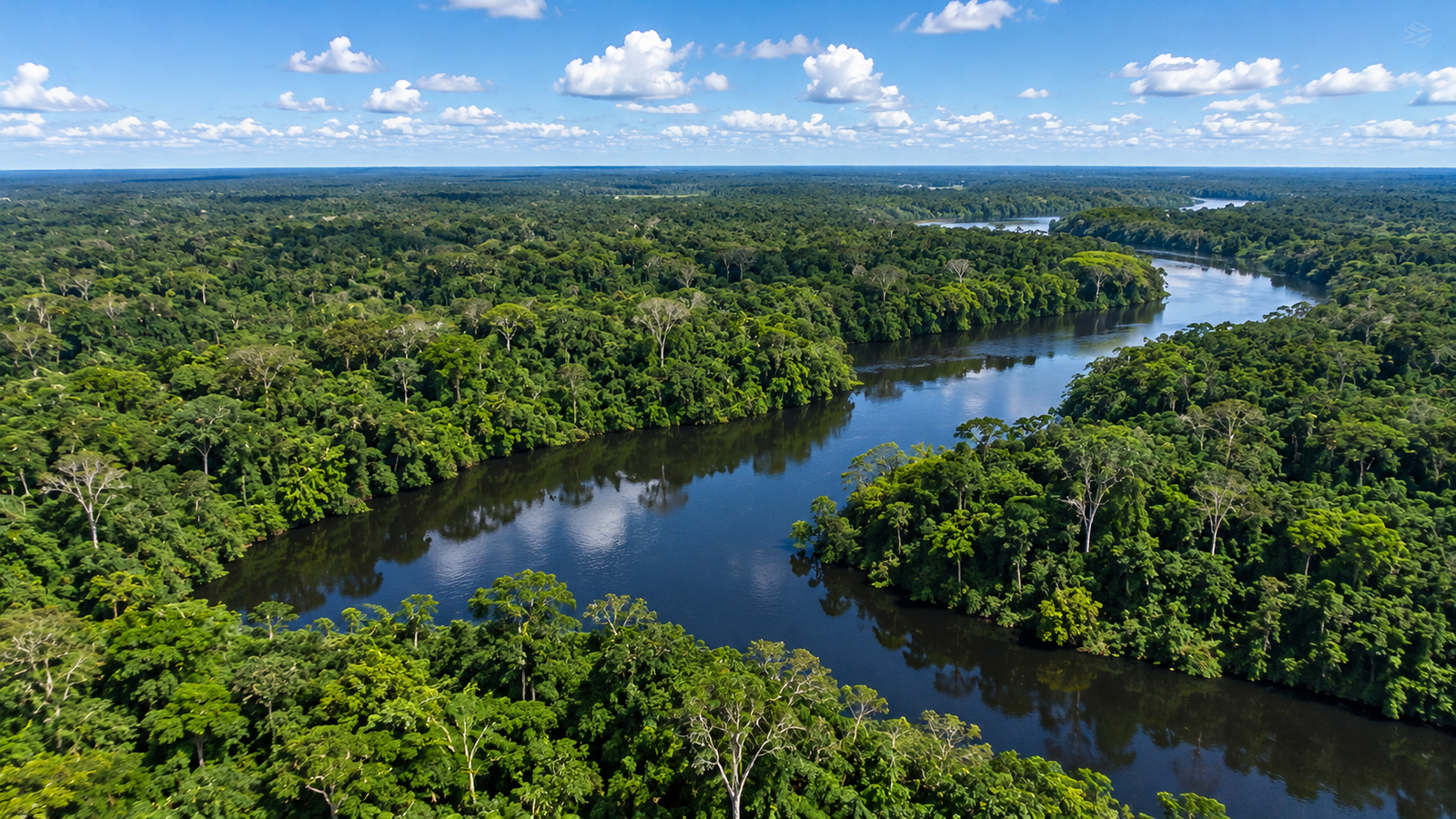
Historically, Brazil is known as the “lungs of the world” due to the immensity of the Amazon Rainforest. Although we know scientifically that the oceans are the largest oxygen producers, our forests act as the Earth’s great “air conditioner.” They successfully regulate rainfall, store carbon, and maintain thermal balance across entire continents.
In this article, we will educationally explore how global warming and phenomena like El Niño are intrinsically linked to the loss of our vegetation cover, and why reforesting is the only viable solution to avoid climate collapse in the long term.
Climate Dynamics: Deforestation and Global Warming
The relationship between tree removal and climate change is direct and proven by numerous ecological studies. Trees absorb carbon dioxide (CO2) during photosynthesis. When deforestation occurs, whether by clear-cutting or illegal burning, all this carbon stored over decades is released back into the atmosphere, rapidly intensifying global warming.
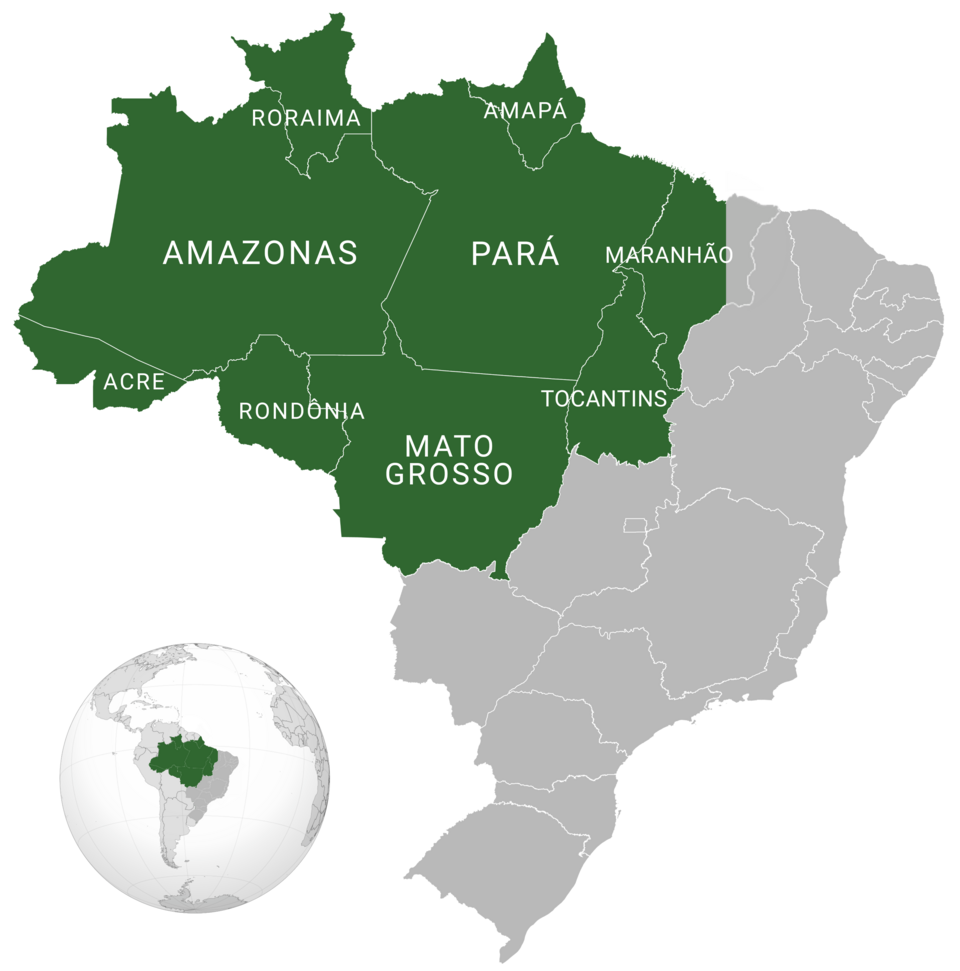
Furthermore, without trees to pump moisture into the atmosphere—a vital process known as evapotranspiration—the famous “flying rivers” lose their strength. These aerial rivers are fundamental for bringing rain from the Amazon to the Pantanal and to the agricultural regions of southern Brazil. Without them, we face extreme droughts that severely affect water supply and food production.
The Devastating Effect of a Supercharged El Niño
El Niño is a natural phenomenon characterized by the abnormal warming of waters in the Pacific Ocean. However, human-caused climate alterations are making this event increasingly severe, intense, and unpredictable. In Brazil, it typically causes severe droughts in the North region and torrential rains in the South.
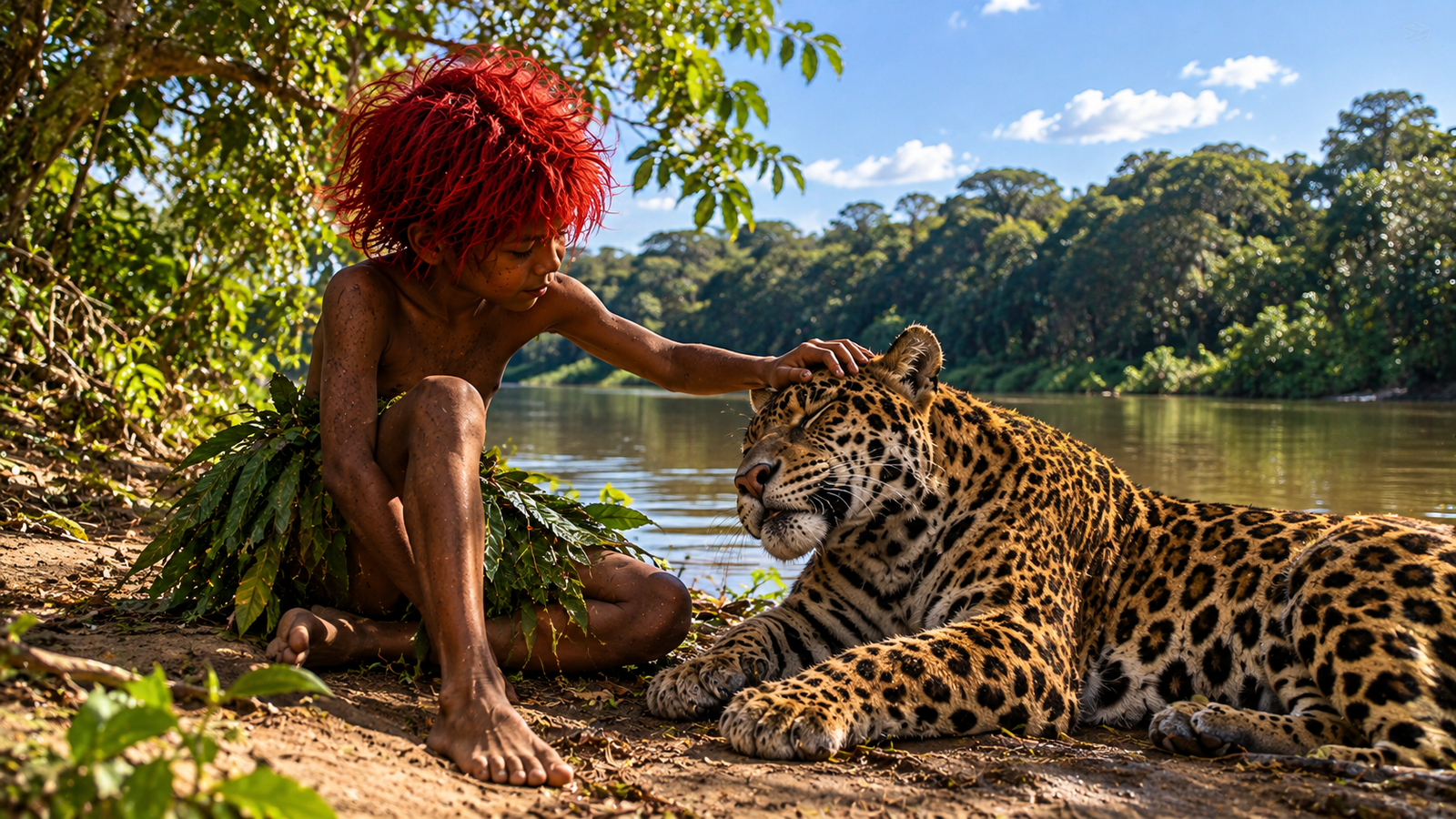
When we combine an extremely strong El Niño with high rates of deforestation, the result is often catastrophic. The forest, already fragmented and severely drier, becomes highly vulnerable to large-scale wildfires. The Pantanal, in turn, suffers from a lack of rain coming from the north, resulting in prolonged droughts that directly threaten the survival of wetland fauna, including the majestic jaguar and countless migratory birds.
The Threatened Immensity: A Look at Our Rivers
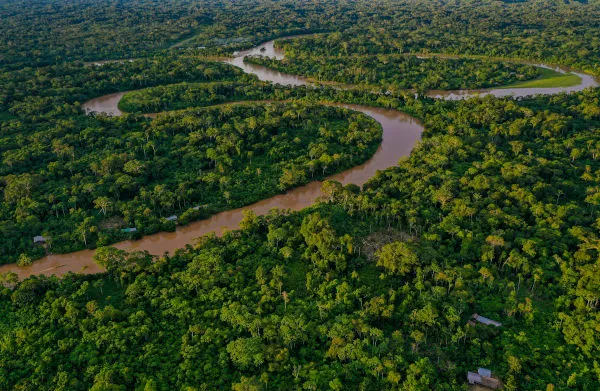
To perfectly understand the scale of what we are losing, one only needs to observe the grandeur of our river basins. Rivers are, undoubtedly, the pulsating arteries of the forest and the Pantanal, transporting life, nutrients, and ensuring the survival of riverside communities. Extreme drought, relentlessly worsened by global warming, has reduced the volume of historic rivers to critical and alarming levels.
Why We Must Reforest Urgently
The situation is undoubtedly critical, but there is still hope for our future. Reforesting degraded areas is not just the act of planting trees; it is the process of restoring entire ecosystems. Continuous reforestation helps capture atmospheric carbon, recovers dried river springs, and returns the safe natural habitat for thousands of critically endangered species.
Conservation initiatives and ecotourism play a vital and transformative role in this mission. By valuing the standing forest, we economically demonstrate that living nature is worth much more than cleared areas. To follow official data on climate change, you can consult the reliable reports from the IPCC (Intergovernmental Panel on Climate Change).
We at Yara Eco Safari firmly believe that awareness is the best tool to directly combat deforestation. Getting to know the untouched beauty of the Pantanal and the Amazon up close awakens a genuine desire for environmental preservation in every traveler.
💡 EDUCATIONAL SUMMARY
Deforestation in Brazil affects the entire world by releasing enormous amounts of carbon, dangerously accelerating global warming. Combined with the El Niño climate phenomenon, this generates severe droughts and devastating fires in our biomes. Actively reforesting and supporting sustainable ecotourism are the main keys to reversing this worrying scenario and saving our ecosystem.

Learn to Love and Protect Our Nature!
The best way to defend our lands is by getting to know the living wealth they harbor. Explore the fauna and flora of the Pantanal with sustainable ecotourism experts: