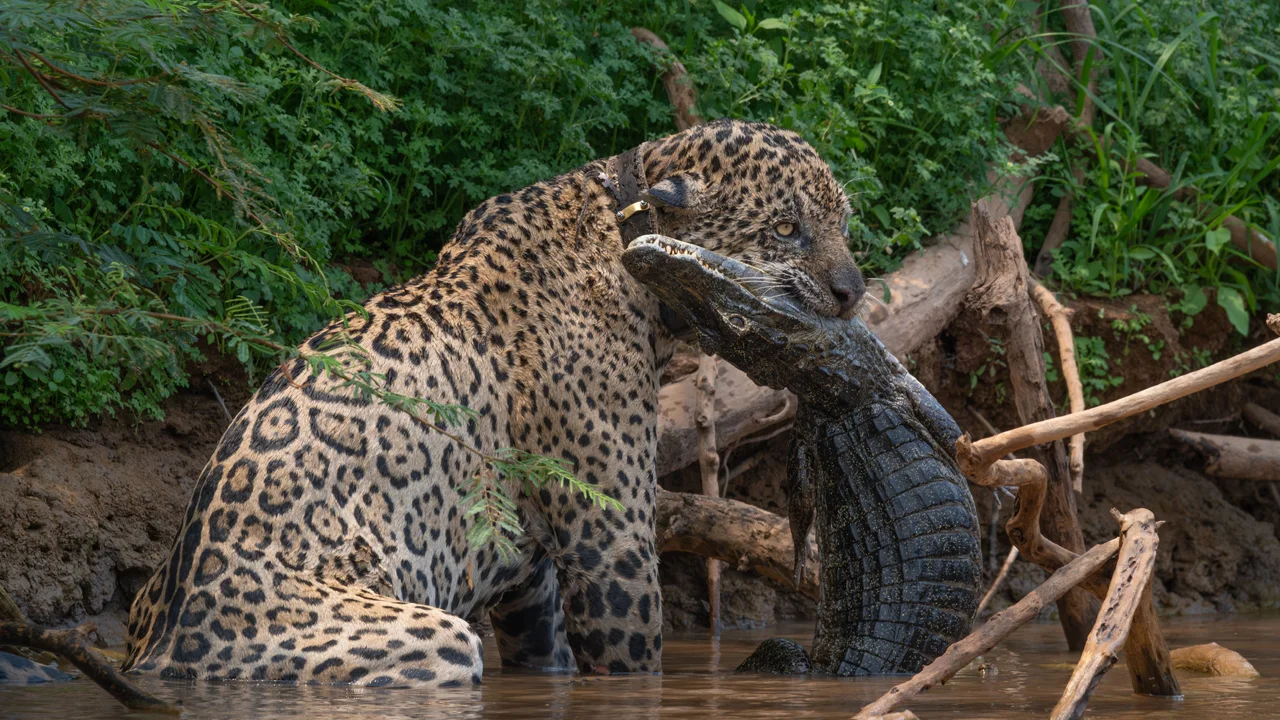





If you have ever encountered a spectacled caiman (known locally in Brazil as jacaré-tinga) resting along the riverbanks, you have felt the true fascination of wild nature. Inhabiting freshwater rivers and wetlands across Brazil, these reptiles are highly efficient predators and essential components of ecological balance.
The spectacled caiman plays a vital role in maintaining aquatic biodiversity across the Pantanal wildlife habitat. Its extraordinary behavior and evolutionary adaptations make it one of South America’s most iconic reptiles.
Introduction to the Spectacled Caiman
The spectacled caiman, scientifically named Caiman crocodilus, belongs to the Alligatoridae family. It thrives across various freshwater environments, including slow-moving rivers, marshes, flooded meadows, and lakes.
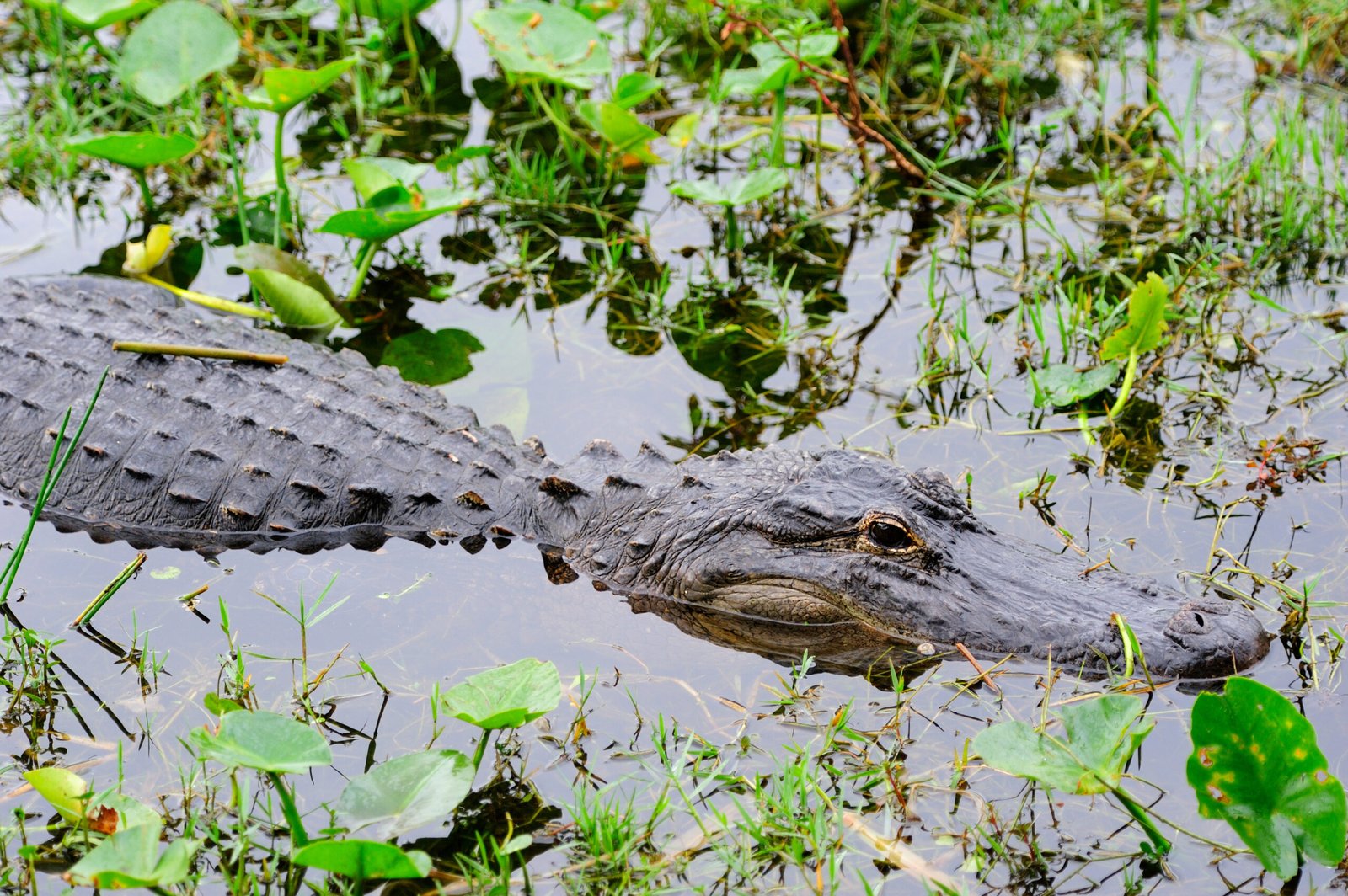
Beyond being an opportunistic hunter, the spectacled caiman acts as a reliable bioindicator of environmental health. Because it requires clean aquatic habitats and rich food webs to thrive, its presence signals a healthy, functioning ecosystem.
Physical Characteristics and Adaptations
Its coloration ranges from olive-green to dark brown with dark cross-bands. This pigmentation provides flawless camouflage among aquatic plants and river mud, allowing it to sneak up on unsuspecting prey.
A distinctive feature is the bony ridge between its eyes, resembling a pair of spectacles—giving rise to its common name. Its eyes, ears, and nostrils sit on top of the head, allowing the caiman to remain almost fully submerged while scanning its surroundings. A clear nictitating membrane protects its eyes underwater without impairing vision.
Equipped with sharp teeth and powerful jaws, the spectacled caiman possesses continuous tooth regeneration capabilities, replacing between 60 and 70 teeth repeatedly throughout its lifetime.
Natural Habitat and Geographic Range
The natural habitat of the spectacled caiman consists primarily of freshwater bodies across Central and South America. In Brazil, populations are abundant throughout the Amazon, Araguaia-Tocantins, and Paraguay River basins within the Pantanal.
Behavior and Feeding Habits
These reptiles are primarily nocturnal, carrying out most of their hunting strikes under the cover of darkness. During the heat of the day, they bask along sunny shores to regulate their internal body temperature (thermoregulation).
Their diet shifts as they grow. Juveniles feed on insects and small crustaceans. As adults, they become generalist carnivores, preying on fish, waterbirds, small mammals, and other reptiles. A signature hunting maneuver is the “death roll,” where the caiman spins rapidly in the water to dismember larger prey for easier swallowing.
Reproduction and Life Cycle
Mating occurs during the rainy season. Females construct mound-like nests out of mud and decaying vegetation. Heat generated by rotting leaves helps incubate the 20 to 40 eggs deposited inside.
As with many crocodilians, incubation temperature determines offspring sex: slightly higher temperatures yield more males. After hatching, mothers exhibit strong parental care, carrying hatchlings in their mouths to water and protecting them for several months. In the wild, a spectacled caiman can live up to 50 years.
Fascinating Facts About the Spectacled Caiman
- Advanced Night Vision: They possess a reflective layer behind the retina called the tapetum lucidum, which amplifies available light and makes their eyes glow red/yellow under spotlights.
- Integumentary Sensory Organs: Microscopic pressure receptors scattered along their jaws and scales detect subtle water vibrations caused by nearby swimming fish.
- Color Alteration: Spectacled caimans can slightly shift their skin tone; on cold days, their skin turns darker to absorb solar heat more efficiently.
💡 Conservation and Threats
Although resilient and classified as Least Concern on the IUCN Red List, local populations face ongoing threats from habitat destruction, river pollution, and illegal hunting for leather and meat. Protecting freshwater headwaters and supporting wildlife agencies like ICMBio ensures these ancient reptiles continue balancing aquatic ecosystems for generations to come.
Experience Pantanal Wildlife Firsthand!
Feel the thrill of navigating Pantanal rivers and spotting wild caimans and jaguars up close with the expert team at Yara Eco Safari.