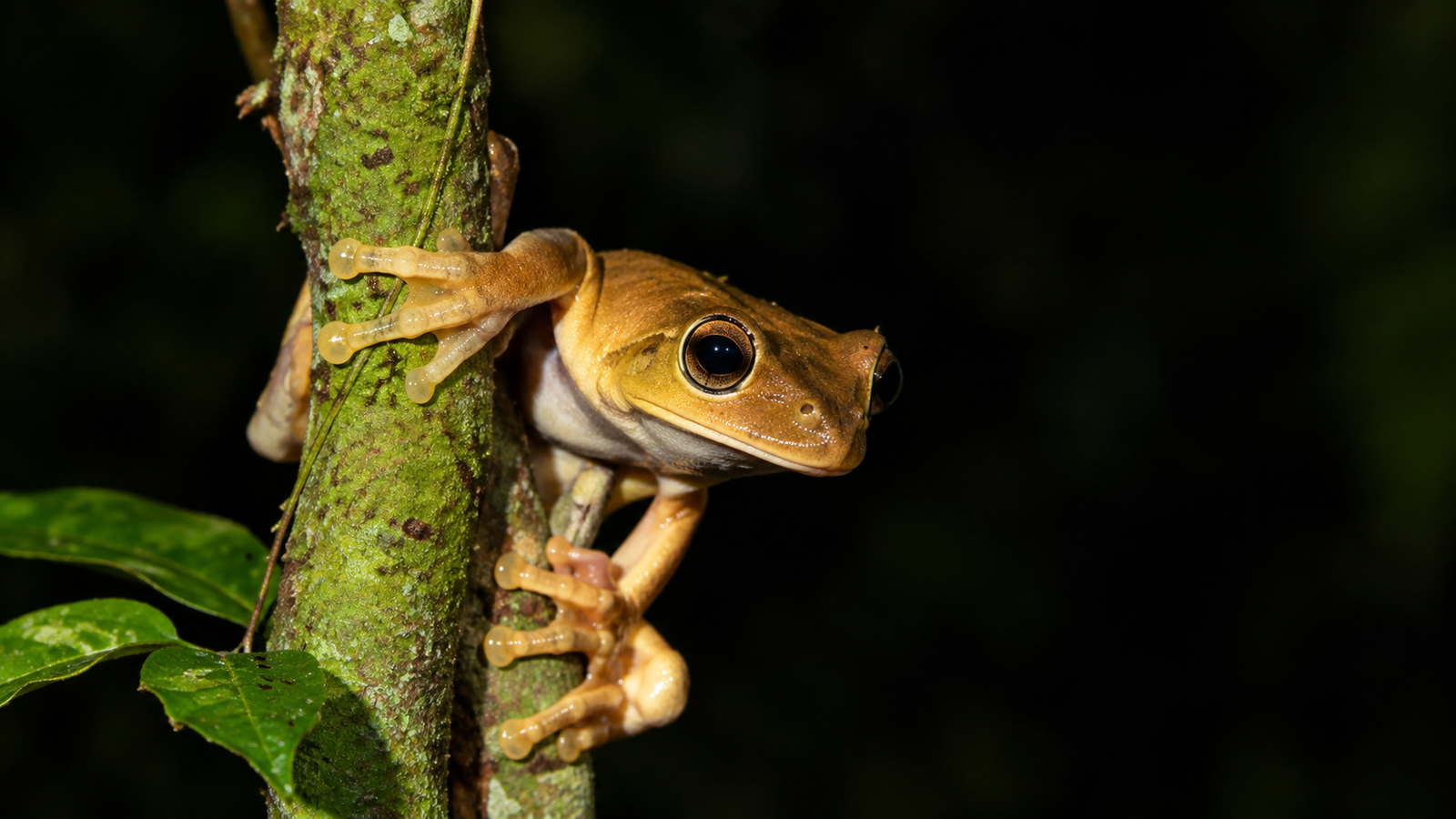





Planning an expedition to explore ecotourism and the rich Pantanal fauna and flora is every adventurer’s dream. However, when faced with wild animals, knowing how to react safely is essential. Therefore, we gathered these crucial survival guidelines.
First of all, let’s dispel a common myth about local wildlife. After all, wild animals are not bloodthirsty monsters actively seeking humans. For example, attacks in nature are extremely rare and almost exclusively occur as a defensive reaction. Consequently, respecting wildlife boundaries is the best prevention strategy.
As a result, this guide was created strictly for educational and safety awareness purposes. Below, we present our ranking of 5 iconic animals, organized from the easiest encounter to manage to the most challenging.
5th Place: Yacare Caiman (Jacaré) – The Easiest Encounter to Manage
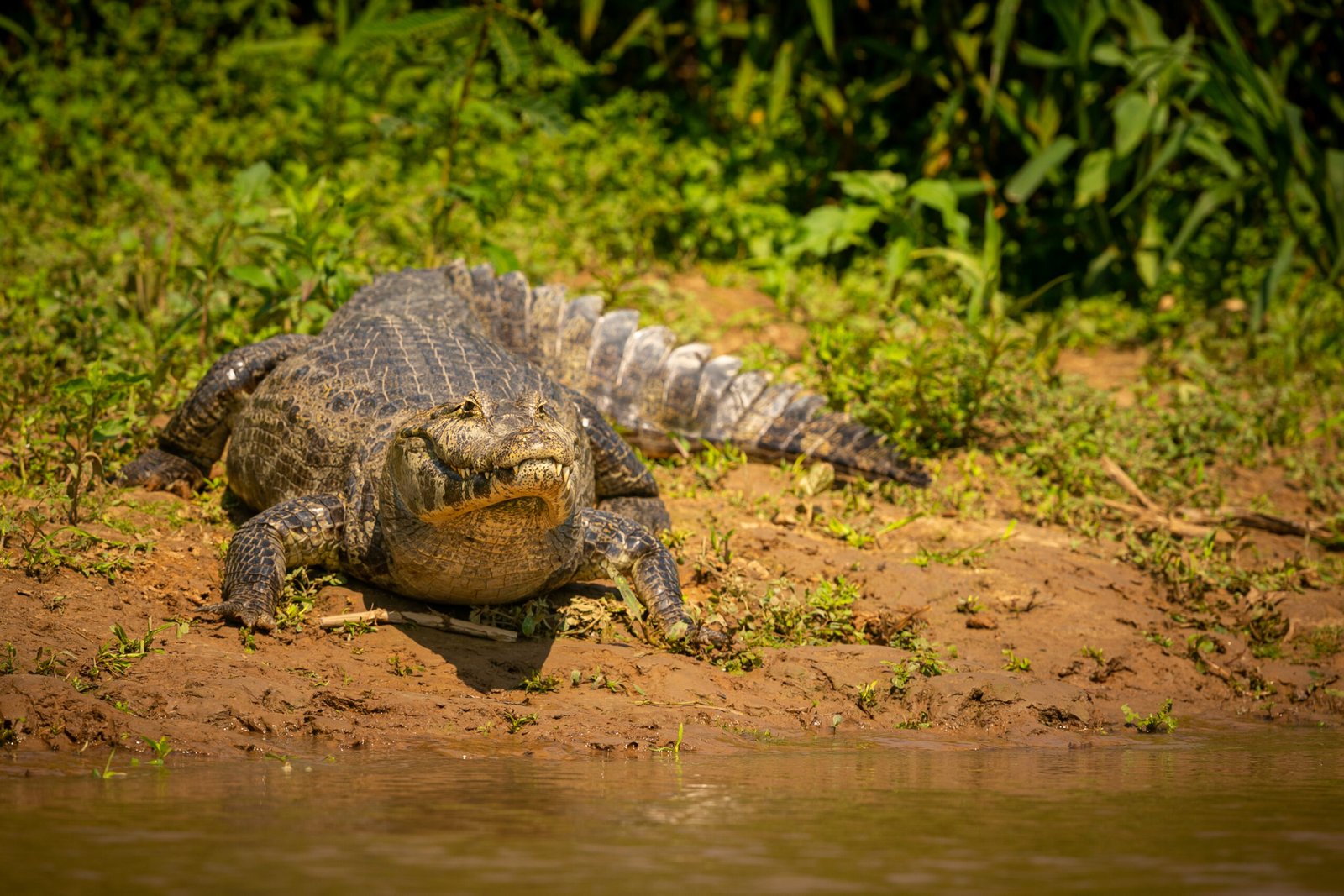
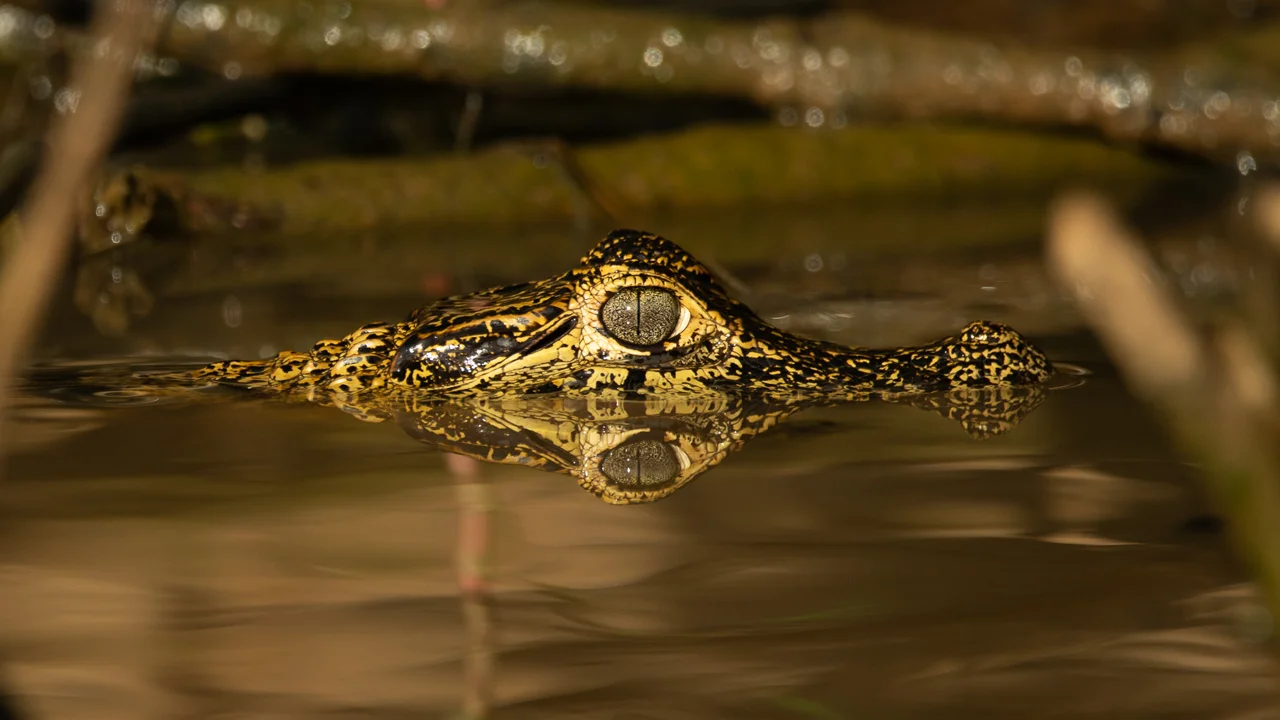
First, the Yacare caiman (known locally as jacaré) is remarkably peaceful toward humans. In addition, they spend most of their day basking on sunny riverbanks to regulate internal body temperature. However, maintaining a respectful distance is essential.
How to Survive and React:
- First, keep your distance: Never attempt to approach for selfies. Therefore, maintain a minimum radius of 5 meters.
- In addition, watch for nests: Females guarding eggs during breeding season can be defensive. Thus, if you hear a deep hiss, back away slowly.
- Finally, do not feed wildlife: After all, offering food alters natural behavior and creates dangerous habituation.
4th Place: Red-Bellied Piranhas (Piranhas) – Demystifying the Swarm Myth
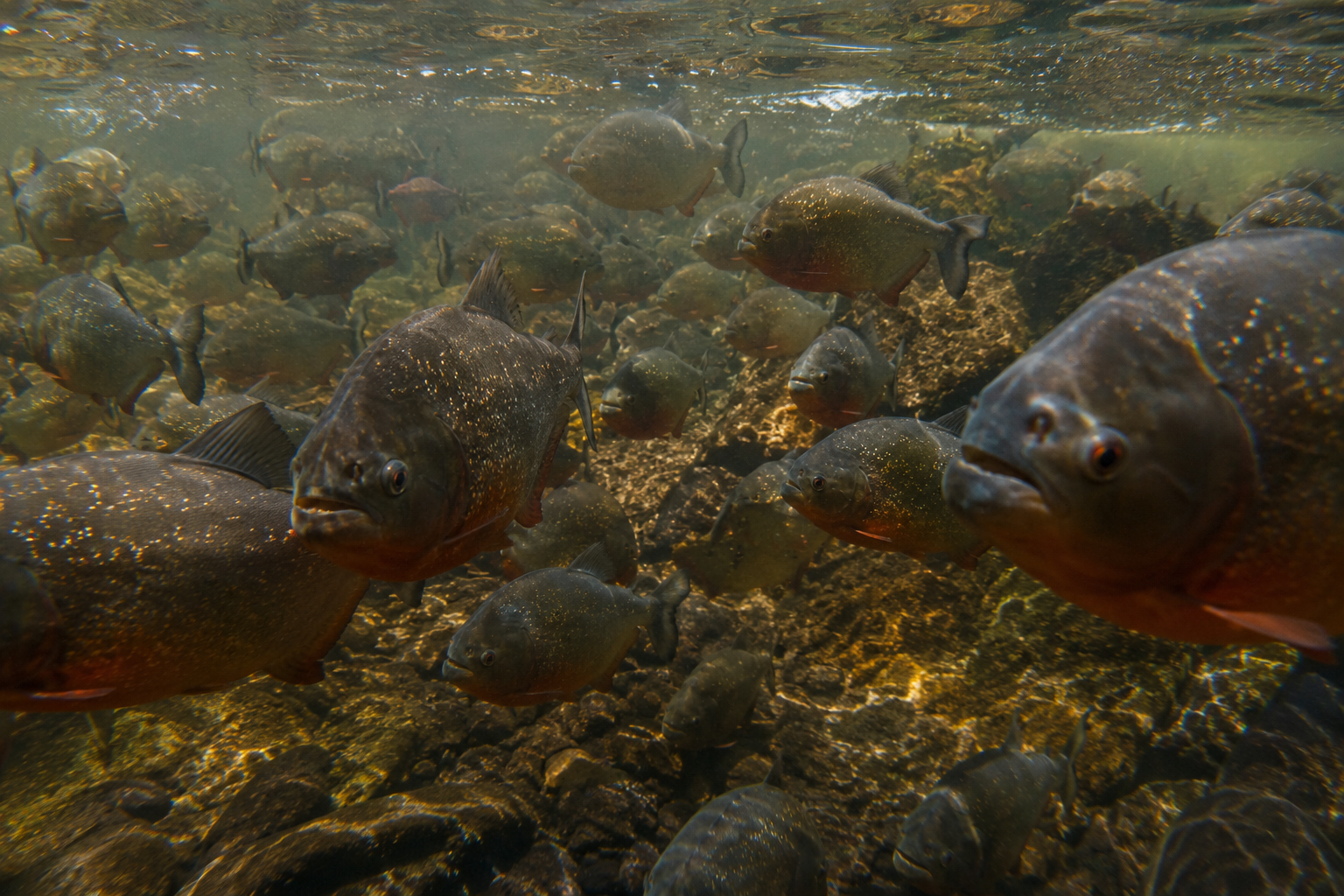
Second, piranhas play a vital role in cleaning riverways. However, contrary to movie depictions, they do not devour humans in seconds. After all, they are opportunistic scavengers essential to Pantanal fauna and flora ecosystems.
How to Survive and React:
- First, avoid swimming with cuts: After all, fresh blood triggers their acute sense of smell. Therefore, avoid swimming with open wounds.
- In addition, mind food waste: For example, never swim near spots where fish are being cleaned.
- Consequently, use caution during dry season: In isolated shallow pools during drought, fish stress levels increase. Thus, avoid entering these pools.
3rd Place: Wandering Spiders (Aranha) – Mind Where You Place Your Hands
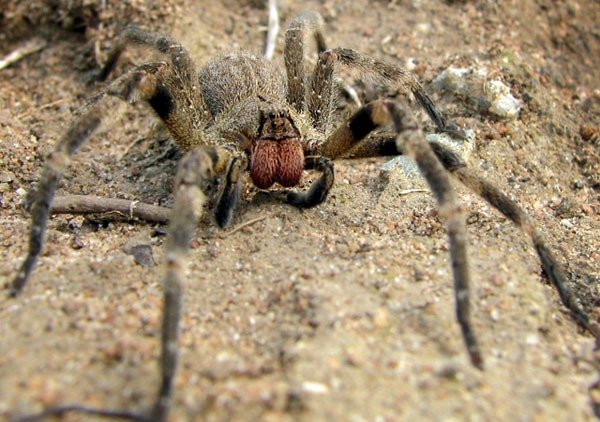
Third, spider species (locally referred to as aranha) such as wandering spiders or tarantulas inhabit dry logs and leaf litter. Although they do not attack unless provoked, accidental bites from venomous species require swift medical attention.
How to Survive and React:
- First, wear proper gear: Indeed, wear long trousers and sturdy boots while hiking.
- In addition, inspect clothing and boots: Therefore, shake out footwear and hanging clothes before putting them on.
- Consequently, don’t reach blindly: Do not place hands inside tree hollows. In case of a bite, seek immediate medical aid.
2nd Place: Venomous Snakes and Anacondas (Serpente) – Camouflage Danger
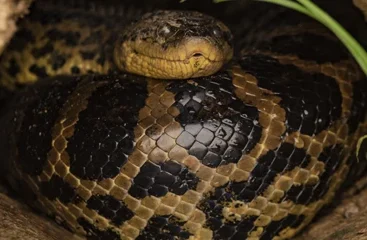
Fourth, encountering a snake (or serpente) such as a pit viper or a giant green anaconda requires composure. After all, venomous snakes rely on camouflage to hunt small rodents and strike only when stepped on or cornered.
How to Survive and React:
- First, watch your step: For example, pay constant attention to where you place your feet along forest trails.
- Second, freeze and back away: If you spot a coiled snake, freeze immediately. Next, take slow, calm steps backward without sudden movements.
- Therefore, act quickly in case of a bite: Keep the victim calm, wash the site with soap and water, and seek urgent medical aid.
1st Place: Jaguar (Onça-Pintada) – The Most Challenging Encounter
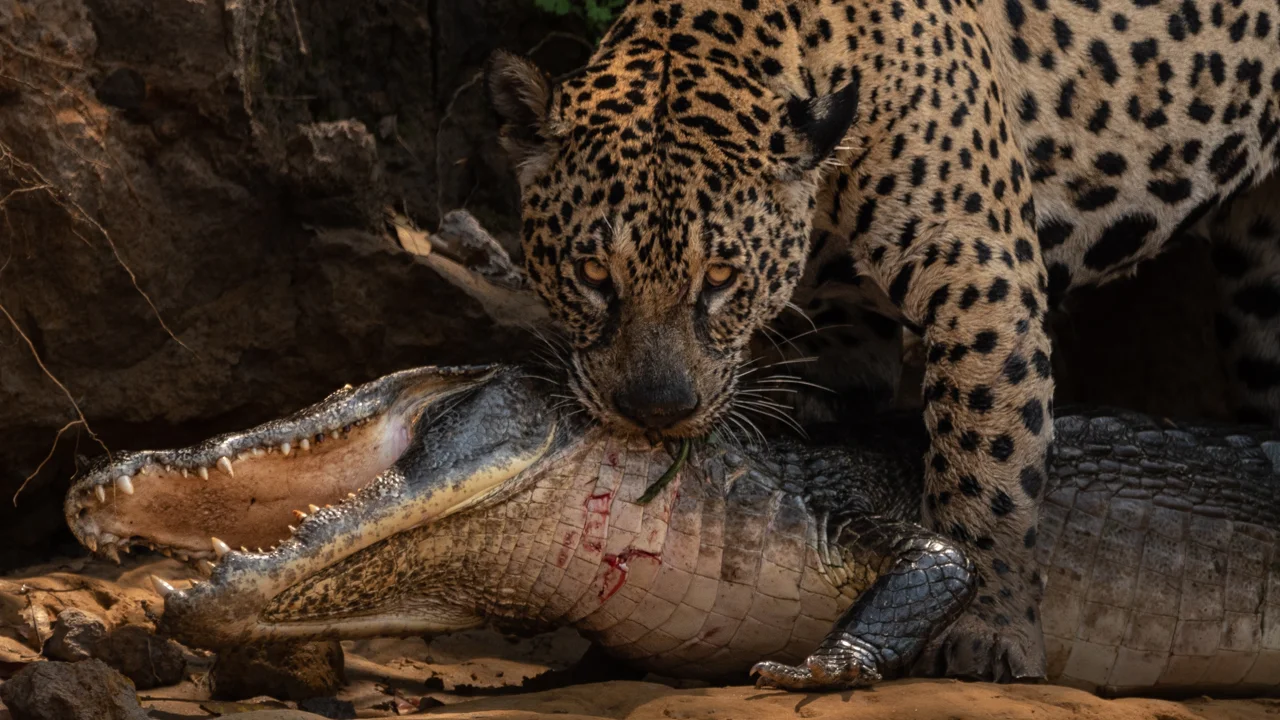
Finally, ranking in first place, the jaguar (known as jaguar) is the largest feline in the Americas. Although boat safaris in the El encuentro de las aguas region offer safe sightings, a surprise encounter on foot requires total emotional control.
How to Survive and React:
- First, NEVER RUN: After all, running triggers the feline’s predatory chase instinct.
- In addition, maintain eye contact: Look toward the cat confidently while maintaining an upright posture.
- Therefore, make yourself look bigger: Raise your arms slowly and speak in a deep, firm tone.
- Consequently, back away slowly: Take slow steps backward until reaching a safe vessel or vehicle.
💡 Golden Rule for Safe Ecotourism
The best way to explore Pantanal fauna and flora safely is joining expeditions led by professional guides. After all, expert safaris maintain ethical distances, read animal body language expertly, and ensure a 100% safe, unforgettable journey!
Explore the Pantanal Safely!
Ready to experience the thrill of spotting jaguars, caimans, and macaws in their natural habitat accompanied by Brazil’s top ecotourism guides?
Planning an expedition to explore ecotourism and the rich Pantanal fauna and flora is every adventurer’s dream. However, when faced with wild animals, knowing how to react safely is essential. Therefore, we gathered these crucial survival guidelines.
First of all, let’s dispel a common myth about local wildlife. After all, wild animals are not bloodthirsty monsters actively seeking humans. For example, attacks in nature are extremely rare and almost exclusively occur as a defensive reaction. Consequently, respecting wildlife boundaries is the best prevention strategy.
As a result, this guide was created strictly for educational and safety awareness purposes. Below, we present our ranking of 5 iconic animals, organized from the easiest encounter to manage to the most challenging.
5th Place: Yacare Caiman (Jacaré) – The Easiest Encounter to Manage
First, the Yacare caiman (known locally as jacaré) is remarkably peaceful toward humans. In addition, they spend most of their day basking on sunny riverbanks to regulate internal body temperature. However, maintaining a respectful distance is essential.
How to Survive and React:
- First, keep your distance: Never attempt to approach for selfies. Therefore, maintain a minimum radius of 5 meters.
- In addition, watch for nests: Females guarding eggs during breeding season can be defensive. Thus, if you hear a deep hiss, back away slowly.
- Finally, do not feed wildlife: After all, offering food alters natural behavior and creates dangerous habituation.
4th Place: Red-Bellied Piranhas (Piranhas) – Demystifying the Swarm Myth
Second, piranhas play a vital role in cleaning riverways. However, contrary to movie depictions, they do not devour humans in seconds. After all, they are opportunistic scavengers essential to Pantanal fauna and flora ecosystems.
How to Survive and React:
- First, avoid swimming with cuts: After all, fresh blood triggers their acute sense of smell. Therefore, avoid swimming with open wounds.
- In addition, mind food waste: For example, never swim near spots where fish are being cleaned.
- Consequently, use caution during dry season: In isolated shallow pools during drought, fish stress levels increase. Thus, avoid entering these pools.
3rd Place: Wandering Spiders (Aranha) – Mind Where You Place Your Hands
Third, spider species (locally referred to as aranha) such as wandering spiders or tarantulas inhabit dry logs and leaf litter. Although they do not attack unless provoked, accidental bites from venomous species require swift medical attention.
How to Survive and React:
- First, wear proper gear: Indeed, wear long trousers and sturdy boots while hiking.
- In addition, inspect clothing and boots: Therefore, shake out footwear and hanging clothes before putting them on.
- Consequently, don’t reach blindly: Do not place hands inside tree hollows. In case of a bite, seek immediate medical aid.
2nd Place: Venomous Snakes and Anacondas (Serpente) – Camouflage Danger
Fourth, encountering a snake (or serpente) such as a pit viper or a giant green anaconda requires composure. After all, venomous snakes rely on camouflage to hunt small rodents and strike only when stepped on or cornered.
How to Survive and React:
- First, watch your step: For example, pay constant attention to where you place your feet along forest trails.
- Second, freeze and back away: If you spot a coiled snake, freeze immediately. Next, take slow, calm steps backward without sudden movements.
- Therefore, act quickly in case of a bite: Keep the victim calm, wash the site with soap and water, and seek urgent medical aid.
1st Place: Jaguar (Onça-Pintada) – The Most Challenging Encounter
Finally, ranking in first place, the jaguar (known as jaguar) is the largest feline in the Americas. Although boat safaris in the El encuentro de las aguas region offer safe sightings, a surprise encounter on foot requires total emotional control.
How to Survive and React:
- First, NEVER RUN: After all, running triggers the feline’s predatory chase instinct.
- In addition, maintain eye contact: Look toward the cat confidently while maintaining an upright posture.
- Therefore, make yourself look bigger: Raise your arms slowly and speak in a deep, firm tone.
- Consequently, back away slowly: Take slow steps backward until reaching a safe vessel or vehicle.
💡 Golden Rule for Safe Ecotourism
The best way to explore Pantanal fauna and flora safely is joining expeditions led by professional guides. After all, expert safaris maintain ethical distances, read animal body language expertly, and ensure a 100% safe, unforgettable journey!
Explore the Pantanal Safely!
Ready to experience the thrill of spotting jaguars, caimans, and macaws in their natural habitat accompanied by Brazil’s top ecotourism guides?