



Exploring the aquatic ecosystems and rich Pantanal fauna and flora reveals encounters with fascinating small creatures. However, among damp vegetation and riverbanks, live several amphibian species known for their impressive defense mechanisms.
First of all, let’s dispel common myths regarding these amphibians. After all, poisonous frogs and toads of the Pantanal do not attack humans or shoot venom from a distance. For example, their skin toxins function exclusively as a passive defense against natural predators, taking effect only when bitten or squeezed.
Consequently, this guide was crafted to enrich your wildlife knowledge during night safaris. Below, we introduce four remarkable amphibian species and their survival strategies in the biome.
Four-Eyed Frog: Optical Illusion and Rear Poison
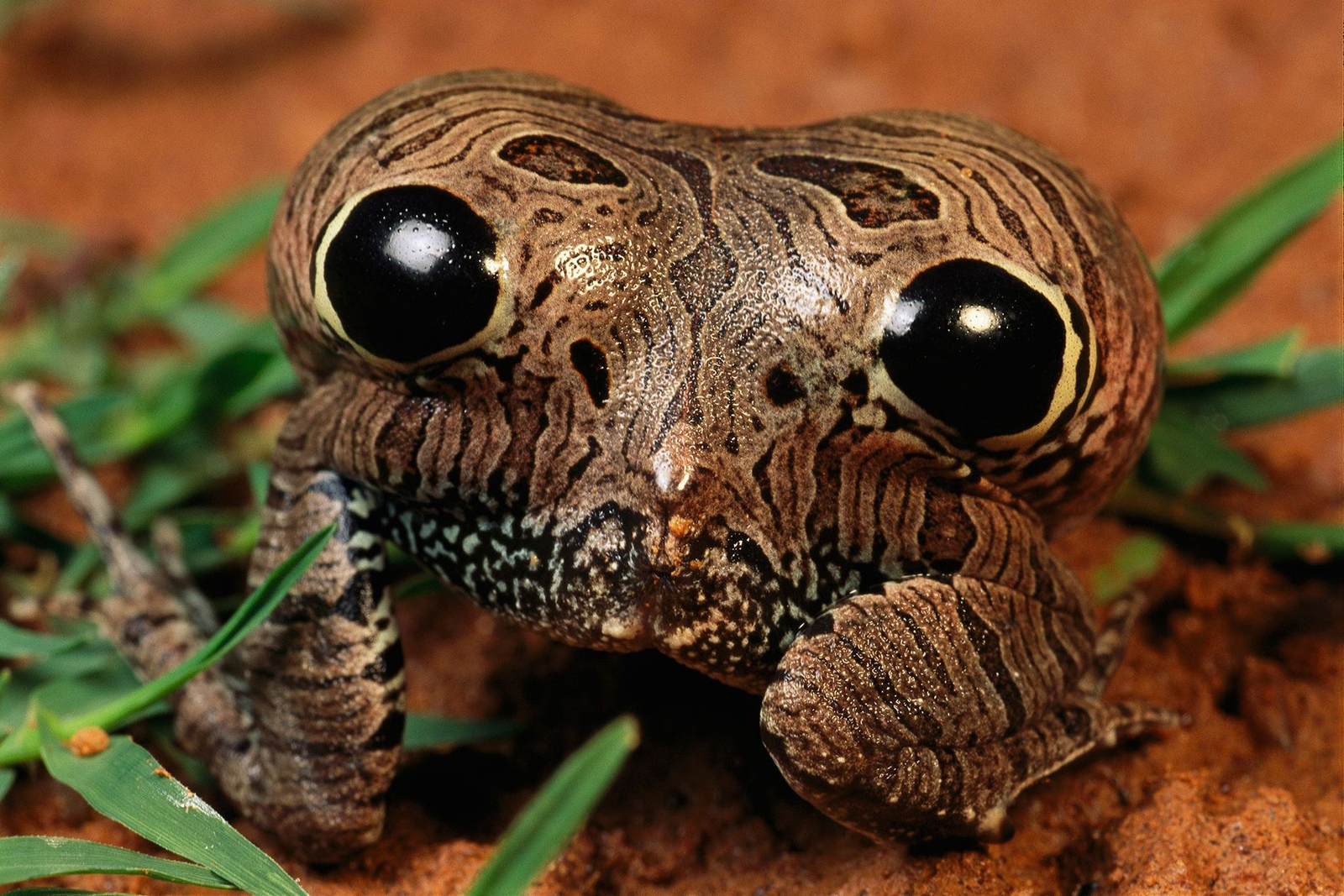
First, the four-eyed frog (Physalaemus nattereri) stands out for one of nature’s smartest camouflage tactics. In addition, it features two dark spots on its rear body that mimic large predator eyes to scare away threats.
Characteristics and Defense:
- First, the illusion mechanism: When threatened, the frog lowers its head and inflates its rear to appear significantly larger.
- In addition, concentrated poison glands: The dark rear spots house large glands secreting unpleasant toxins.
- Therefore, a purely defensive function: The toxin causes severe mucosal irritation in predators attempting to bite it.
Poison Dart Frog: Vibrant Colors and Diet Toxins
Second, the iconic poison dart frog (family Dendrobatidae) attracts attention with its bright colors. However, unlike camouflaged species, its vivid coloration works as a visual warning signal of danger (aposematism).
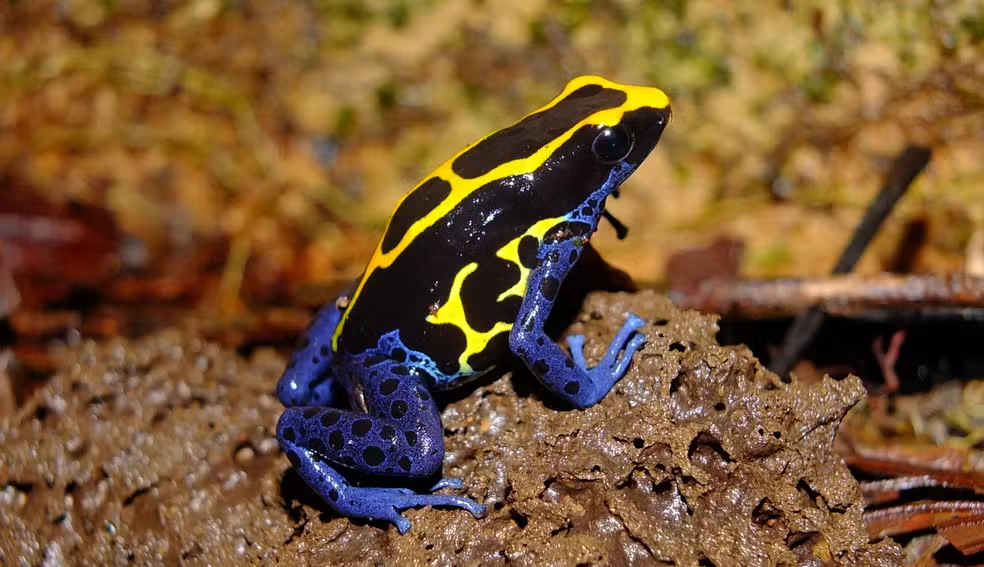
Characteristics and Defense:
- First, toxin sequestration: Interestingly, the frog does not produce its own poison, but accumulates it by eating poisonous ants.
- In addition, potent skin secretions: Its skin glands release alkaloids capable of paralyzing small attackers.
- Consequently, habitat respect: They play a key role in controlling insect populations within Pantanal fauna and flora ecosystems.
Cane Toad: Parotoid Glands and the Wetland Giant
Third, the emblematic cane toad (known in Brazil as sapo-cururu) is one of the most common and large amphibian species in the region. Indeed, this massive toad plays a vital ecological role by controlling pest populations like beetles and mosquitoes.
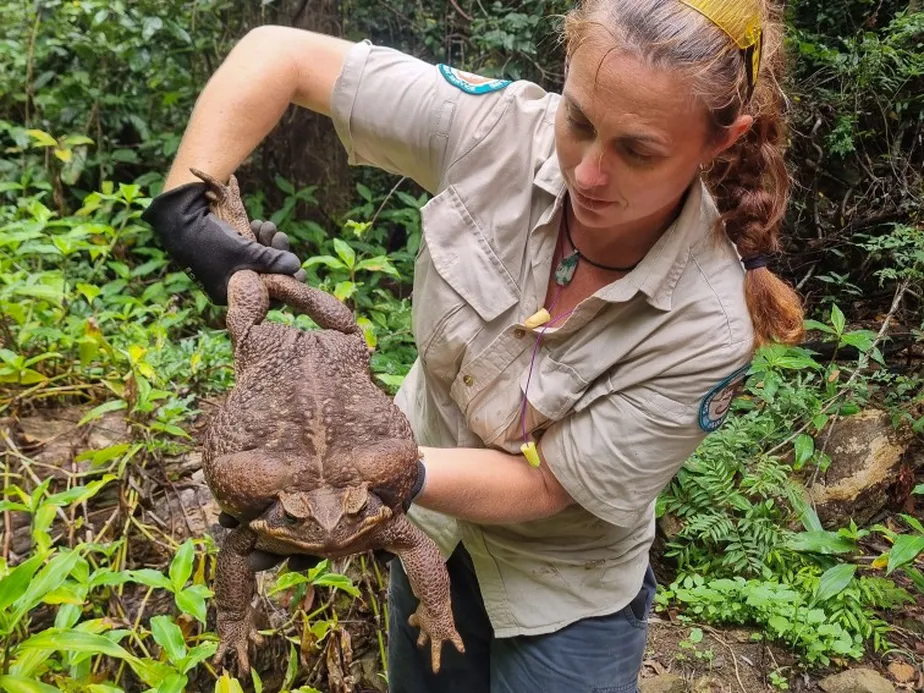
Characteristics and Defense:
- First, prominent parotoid glands: The toad stores bufotoxin in large glands located right behind its head.
- In addition, pressure release: Poison is secreted only if a predator bites firmly down on its neck area.
- Therefore, dispelling the squirting myth: Cane toads never voluntarily shoot venom at human eyes.
Tree Frog: Camouflage and Treetop Protection
Finally, the tree frog inhabits high foliage and branches near rivers. In addition, its adhesive toe pads allow expert climbing through dense forest canopies.
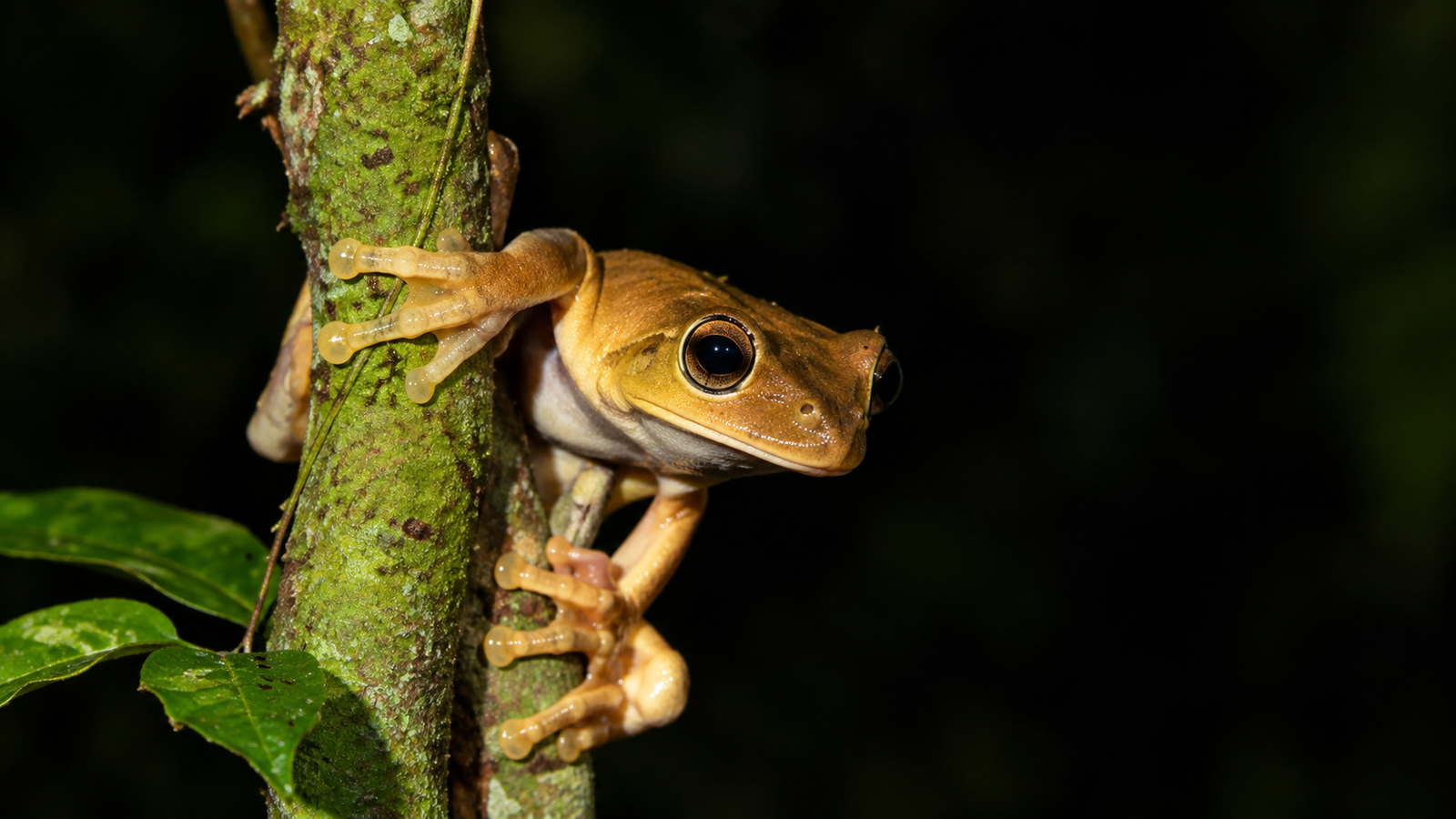
Characteristics and Defense:
- First, lipid secretions: Their skin produces waxy substances preventing dehydration and repelling fungi.
- In addition, mild surface toxins: Certain species possess skin peptides causing a bitter taste to birds and snakes.
- Therefore, masters of camouflage: Bright green coloration guarantees natural protection against aerial predators.
💡 Golden Tip for Amphibian Observation
The best way to admire the poisonous frogs and toads of the Pantanal is through respectful observation without handling them. After all, amphibian skin is extremely sensitive and absorbs chemicals from human hands. During our night safaris guided by experts, you will photograph these species safely and responsibly!
Explore Pantanal Wildlife with Experts!
Ready to experience night safaris and incredible wetland biodiversity on expeditions focused on photography and conservation?
Exploring the aquatic ecosystems and rich Pantanal fauna and flora reveals encounters with fascinating small creatures. However, among damp vegetation and riverbanks, live several amphibian species known for their impressive defense mechanisms.
First of all, let’s dispel common myths regarding these amphibians. After all, poisonous frogs and toads of the Pantanal do not attack humans or shoot venom from a distance. For example, their skin toxins function exclusively as a passive defense against natural predators, taking effect only when bitten or squeezed.
Consequently, this guide was crafted to enrich your wildlife knowledge during night safaris. Below, we introduce four remarkable amphibian species and their survival strategies in the biome.
Four-Eyed Frog: Optical Illusion and Rear Poison
First, the four-eyed frog (Physalaemus nattereri) stands out for one of nature’s smartest camouflage tactics. In addition, it features two dark spots on its rear body that mimic large predator eyes to scare away threats.
Characteristics and Defense:
- First, the illusion mechanism: When threatened, the frog lowers its head and inflates its rear to appear significantly larger.
- In addition, concentrated poison glands: The dark rear spots house large glands secreting unpleasant toxins.
- Therefore, a purely defensive function: The toxin causes severe mucosal irritation in predators attempting to bite it.
Poison Dart Frog: Vibrant Colors and Diet Toxins
Second, the iconic poison dart frog (family Dendrobatidae) attracts attention with its bright colors. However, unlike camouflaged species, its vivid coloration works as a visual warning signal of danger (aposematism).
Characteristics and Defense:
- First, toxin sequestration: Interestingly, the frog does not produce its own poison, but accumulates it by eating poisonous ants.
- In addition, potent skin secretions: Its skin glands release alkaloids capable of paralyzing small attackers.
- Consequently, habitat respect: They play a key role in controlling insect populations within Pantanal fauna and flora ecosystems.
Cane Toad: Parotoid Glands and the Wetland Giant
Third, the emblematic cane toad (known in Brazil as sapo-cururu) is one of the most common and large amphibian species in the region. Indeed, this massive toad plays a vital ecological role by controlling pest populations like beetles and mosquitoes.
Characteristics and Defense:
- First, prominent parotoid glands: The toad stores bufotoxin in large glands located right behind its head.
- In addition, pressure release: Poison is secreted only if a predator bites firmly down on its neck area.
- Therefore, dispelling the squirting myth: Cane toads never voluntarily shoot venom at human eyes.
Tree Frog: Camouflage and Treetop Protection
Finally, the tree frog inhabits high foliage and branches near rivers. In addition, its adhesive toe pads allow expert climbing through dense forest canopies.
Characteristics and Defense:
- First, lipid secretions: Their skin produces waxy substances preventing dehydration and repelling fungi.
- In addition, mild surface toxins: Certain species possess skin peptides causing a bitter taste to birds and snakes.
- Therefore, masters of camouflage: Bright green coloration guarantees natural protection against aerial predators.
💡 Golden Tip for Amphibian Observation
The best way to admire the poisonous frogs and toads of the Pantanal is through respectful observation without handling them. After all, amphibian skin is extremely sensitive and absorbs chemicals from human hands. During our night safaris guided by experts, you will photograph these species safely and responsibly!
Explore Pantanal Wildlife with Experts!
Ready to experience night safaris and incredible wetland biodiversity on expeditions focused on photography and conservation?