


In the heart of the Pantanal, where the waters shape the landscape and life pulses in every corner, a silent sobriano roams its domains. The jaguar, the largest feline in the Americas, is much more than a symbol of strength and beauty. It is the centerpiece that maintains the delicate balance of this unique ecosystem. This article is a journey through the life of this magnificent animal, exploring everything from its impressive characteristics to the efforts to ensure that its future generations continue to roar in the Brazilian forests.
Who is a jaguar?
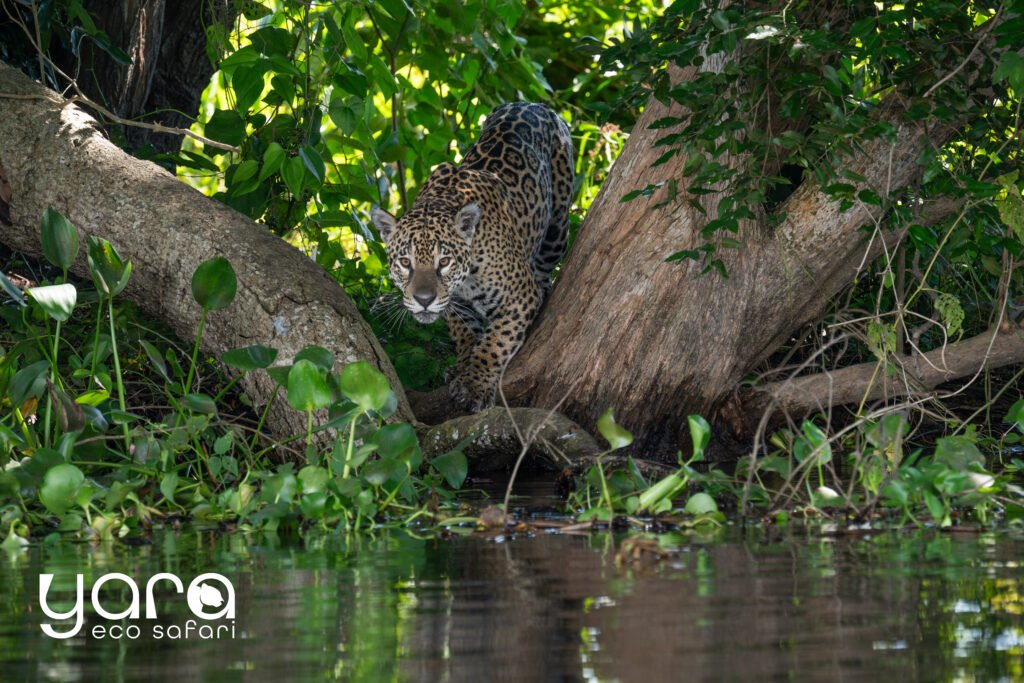
The jaguar is the third largest feline in the world, after the tiger and the lion. Although once their home stretched across the entire American continent, today their most stable populations take refuge mainly in the Amazon and, in particular, the Pantanal. This biome, with its generous supply of water, food and embrace, has become the last great stronghold for espionage. Each jaguar is unique, adorned with a golden pattern dotted with roses - a pattern of spots that works like a fingerprint, allowing researchers to identify each individual. The famous "black jaguar" is actually the same spy, carrying a gene that causes melanism, making its roses visible only in certain light.
The Pantanal: the ideal sanctuary for a predator
The jaguar's success in the Pantanal is no coincidence. This environment, characterized by its vast floodplains, offers everything a top predator needs to thrive. The dense vegetation on the banks of the rivers provides the perfect camouflage for ambushes, its preferred hunting tactic. The abundance of prey such as capybaras, caimans and deer guarantees a diverse diet. And unlike most cats, the jaguar has the ultimate relationship with water. It is an expert swimmer, using rivers and lagoons as roads to travel, as a hunting tool and even to cool off from the intense heat. Unfortunately, even in this sanctuary, their distribution is irregular, and they are more concentrated in remote waters, far from the advance of livestock and agriculture.
The perfect anatomy
The jaguar's physical build is a testicle of evolution at the service of predation. Its body is robust and incredibly muscular, designed more for bursts of strength than for long-distance stalking. Its paws are large and powerful, ideal for immobilizing large prey. However, its most distinctive weapon is its bite. A jaguar has the most powerful bite for its size of any big cat. This extraordinary strength allows it to adopt a unique lethal killing technique: instead of targeting the throat, as lions and tigers do, it drives its canines terrifyingly into its victim's skull, piercing the brain and causing instant death. This adaptation is especially effective for dealing with tough leathery prey such as caimans and capybaras.
How your hunt works
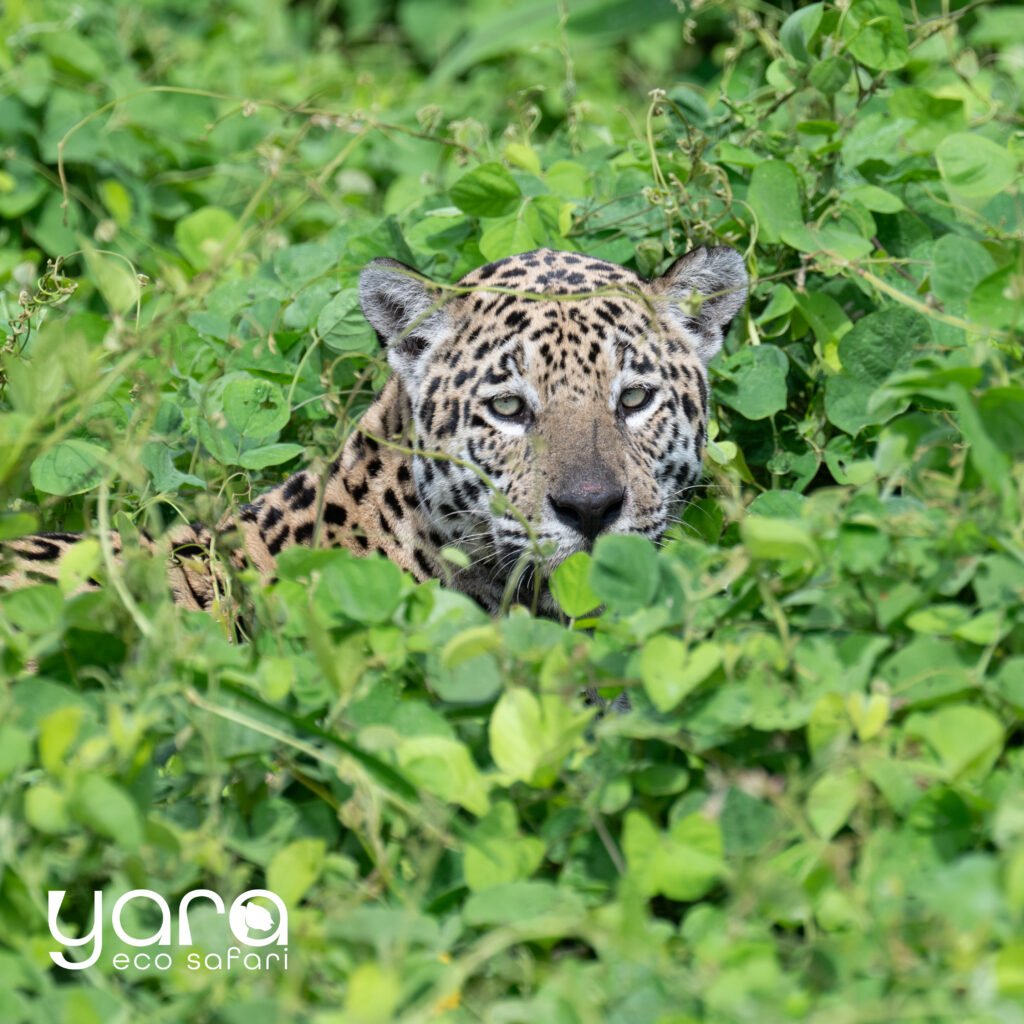
The jaguar is a solitary and essentially nocturnal animal, although it can also be spotted at dawn and dusk. Hunting is an exercise in patience and precision. It all starts with the ambush. Using its fur as an invisibility cloak, it waits in the vegetation, moving with impressive silence. When the press is at the right distance, it launches a surprise attack, a swift and fulminating final leap. It's a moment when her cranial death kicks in, a display of brute strength that guarantees success. After the hunt, it drags the carcass, which can be much larger than itself, to a safe location, where it can feed for several days. This varied diet, which includes more than 85 species, makes it a true "ecosystem gardener", controlling populations and preventing overcrowding by herbivores.
Danger of extinction, challenges for survival and conservation projects
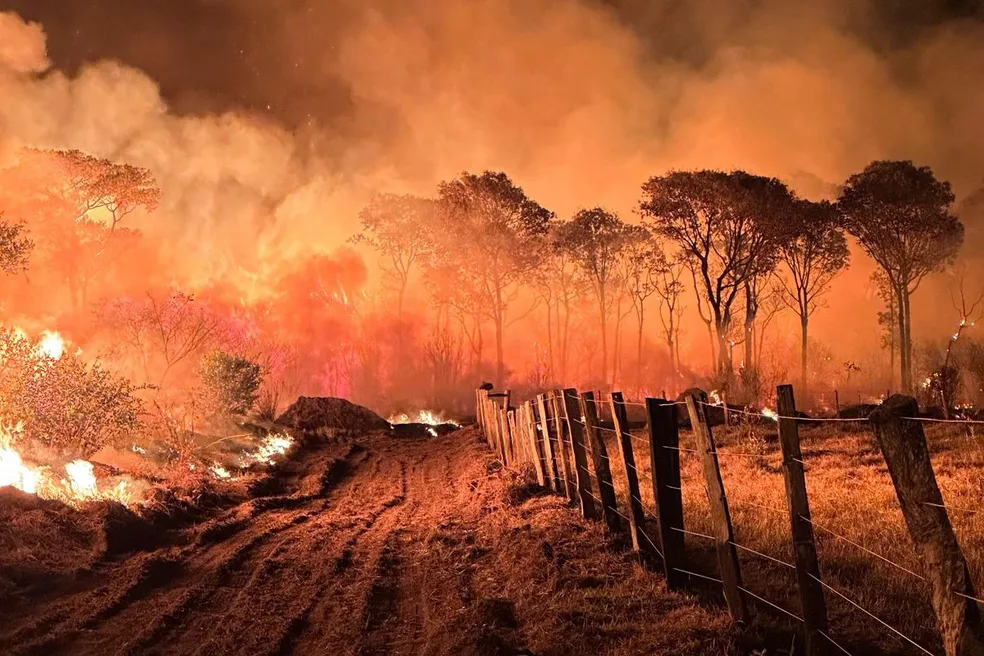
Despite its strength and adaptability, the jaguar faces an enemy against which its bite is useless: human action. Classified as "vulnerable", the jaguar is facing an accelerating wave of habitat destruction due to deforestation for farming and the recurrent arson attacks. This problem leads to a direct conflict: by having their natural areas reduced and their natural pressures diminished, jaguars are forced to approach domestic herds, which results in retaliatory hunting by cattle ranchers. This has become one of the main causes of mortality for the animal. The fragmentation of its territory isolates populations, weakening the species' genetic diversity in the long term.
Fortunately, the jaguar's story doesn't have to end sadly. Several organizations and projects are working tirelessly to reverse this scenario. Projeto onçafari, for example, combines scientific research with ecotourism. By transforming the jaguar into a living economic asset, they generate income for local communities and demonstrate that the animal is worth more alive than dead. Panthera, a global organization, focuses on creating ecological corridors, connecting forest fragments to allow genetic flow between isolated populations. At the same time, reconciliation initiatives with cattle ranchers promote management techniques, such as the use of night fences and guard dogs, which significantly reduce attacks on cattle, reducing conflict.
How You Can Make a Difference
Jaguar conservation is a shared duty. Your contribution, however distant it may seem, is valuable. Financially supporting serious and transparent organizations that work on the front line is a direct way of helping. When visiting the Pantanal, choose responsible tour operators who respect the animals and pass on part of their profits to conservation projects. In your day-to-day life, consuming products from companies and producers who are committed to sustainability sends a clear signal to the market. Finally, and perhaps most importantly, use your voice. Sharing knowledge, spreading the word about the jaguar and getting effective public policies from the authorities are actions that create a network of protection around the natural heritage.
Conclusion: The Roar that Cannot Be Silenced
The jaguar is the soul of the Pantanal. Its imposing presence is the clearest sign that the ecosystem is healthy and in balance. Protecting it is not a gesture of charity towards nature, but an investment in our own future. Ensuring that this guardian continues to roam its forests and rivers means ensuring the perpetuity of one of the richest and most fascinating biomes on the planet. The roar of the jaguar is a call, a powerful motto that conservation is a race against time, but a race that we can, and must, win.