


The Pantanal, one of the largest wetlands in the world, is a veritable treasure trove of biodiversity. With its vast expanses of water and lush vegetation, this ecosystem is home to a fascinating fauna that enchants researchers and nature lovers alike. From majestic caimans to colorful birds and rare mammals, discovering the animals of the Pantanal is a unique experience that reveals the richness of wildlife. In this article, we invite you to immerse yourself in this incredible world and get to know some of the most impressive species that inhabit this region.
Get ready for a journey through the secrets of the Pantanal fauna, where each animal has a story to tell and an essential role in maintaining the ecological balance.
Introduction to the Pantanal and its biodiversity
Located mainly in Brazil, but also extending to Paraguay and Bolivia, the Pantanal is one of the largest continuous wetlands on the planet. With around 250,000 km²This region is a sanctuary for wildlife, home to an impressive biodiversity that includes thousands of species of plants and animals.
The combination of ecosystems - such as forests, savannahs, grasslands and wetlands - creates a unique environment where life flourishes exuberantly
The Pantanal's biodiversity is the result of its geographical and climatic characteristics. During the rainy season, which runs from November to MarchIn the dry season, the great waters of the plateau are submerged, creating a perfect habitat for fish, waterfowl and a myriad of other animals. In the dry season, from April to OctoberThe waters have recovered, revealing pastures and forests that attract a wide variety of fauna. This alternation between periods of flood and drought is fundamental for maintaining the life cycles of many species.
Exploring the Pantanal is like entering a world of its own, where every corner reveals a new surprise. Whether observing a jaguar in their natural environment, listening to the the melodious song of a touiuiú or admiring the agility of alligatorsThe experience is always unforgettable.
Characteristics of Pantanal fauna
The fauna of the Pantanal is notable not only for its diversity of species,
but also because of the abundance of individuals. This ecosystem opens up one of the largest concentrations of wildlife in the world, making it a privileged destination for observers and researchers
Among the main characteristics of Pantanal fauna, the following stand out:

- The presence of endemic species¡;
- A. A coexistence of animals from different biomes¡;
- E. A. A adaptation of many species to seasonal changess.
One of the most striking features is the harmonious coexistence of species from different biogeographical origins. No Pantanal, animals from Amazon'machete Cerrado and Atlantic Forest share the same space, creating a unique mosaic of wildlife.
Another fundamental characteristic is adaptation to seasonal changes. Many species develop strategies for surviving in both good times and drought. The fishFor example, they migrate to deeper areas during the drought and return to flooded areas on the beach to reproduce. Mammals such as the capybara and marsh deer are excellent swimmers and move easily between water and dry areas.
Mammals of the Pantanal: iconic species
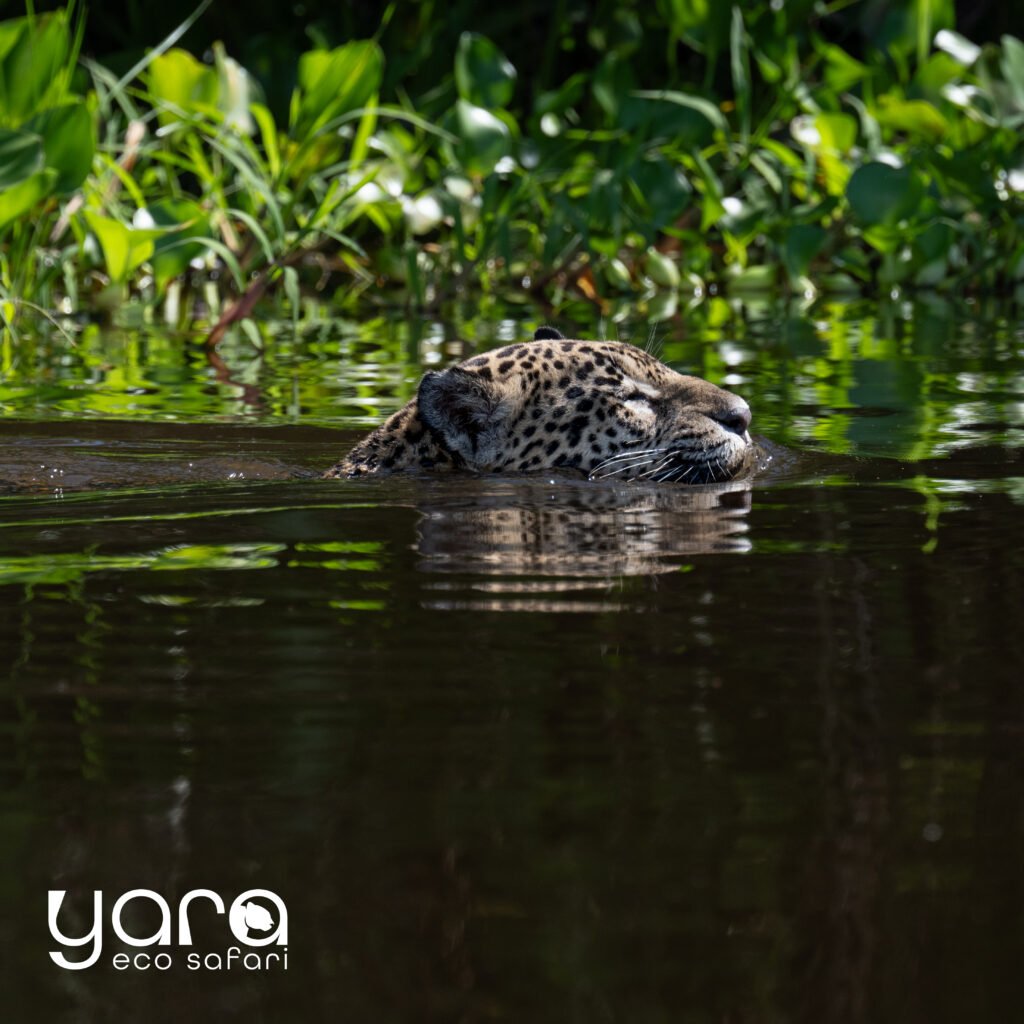
The mammals of the Pantanal are one of the biggest attractions for visitors. Among the most iconic species is the jaguarthe largest feline in the Americas. In the Pantanal, a jaguar finds an ideal habitat, with plenty of prey and vast waters to hunt. Watching them is a thrilling experience and one of the highlights of qualifying convenience. Its presence is an indicator of the health of the ecosystem, as it occupies the top of the food chain.
Another notable mammal is the tapirThe tapir is the largest land mammal in South America. The tapir is a solitary, nocturnal animal that plays a crucial role in seed dispersal, helping to maintain plant diversity. With its robust body and broad snout, it is easily recognizable and often spotted near bodies of water.
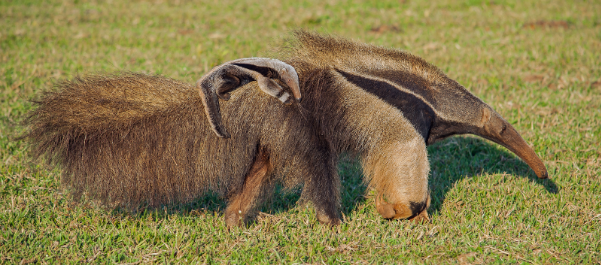
O marsh deer is another emblematic species. These elegant cervids are adapted to living in flooded areas, with wide hooves that make it easier to move around in swampy terrain. The Pantanal is also home to the capybara, o giant anteater and maned wolfEach one has its own ecological importance.
Birds of the Pantanal: a paradise for birdwatchers
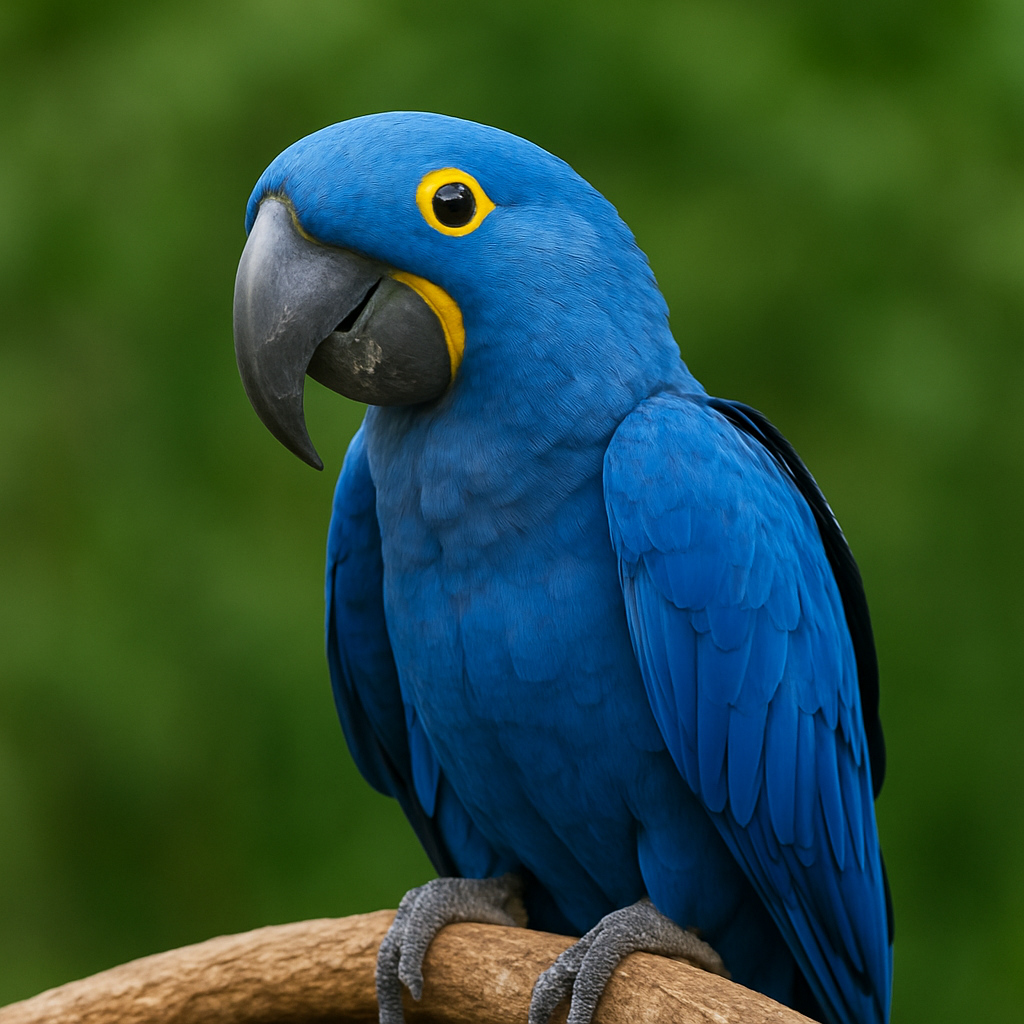
Another destination bird is the hyacinth macawThe largest macaw in the world. With its cobalt blue feathers and powerful beak, it is a spectacle of nature and one of the main symbols of Brazilian biodiversity. Fortunately, conservation efforts have succeeded in protecting and increasing the populations of hyacinth macaws in the Pantanal.
For lovers of birds of prey, the Pantanal offers a chance to spot the hawk hawk, a species that specializes in feeding on snails. Its ability to extract molluscs from their shells is a fascinating example of evolutionary adaptation.
The hyacinth macaw is considered the largest macaw in the world and one of the most striking symbols of the Pantanal fauna.
Reptiles and amphibians: surprising inhabitants of the Pantanal
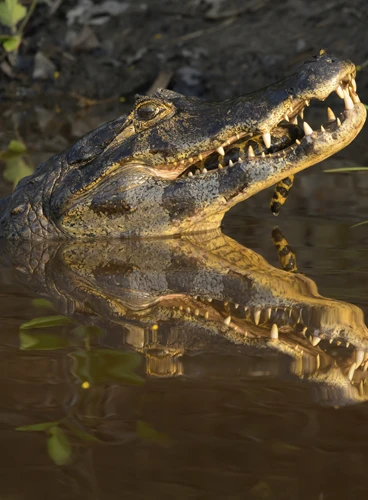
The reptiles and amphibians of the Pantanal play a fundamental role in the ecological balance. Among the best known are the alligatorsespecially the marsh caiman (Caiman yacare). These reptiles are a constant presence in the waters, where they control the populations of fish and other animals. It's common to see them sunbathing on the banks of rivers and lagoons.
Another notable reptile is the anaconda (Eunectes murinus), one of the largest and heaviest snakes in the world. Also known as anacondaThis is a formidable predator that feeds on fish, birds and mammals. Anacondas are excellent swimmers and spend much of their time in the water - spotting them in their natural habitat is an experience that mixes fascination and respect.
Among amphibians, frogs and toads are abundant, especially in the rainy season. These animals are crucial in controlling insects and in the aquatic food chain. One example is the glass frog (Hyalinobatrachium), which has translucent skin - an adaptation that helps it camouflage itself against predators.
Pantanal fish: aquatic diversity
The diversity of fish in the Pantanal is impressive, with more than 260 species recorded. During the rainy season, fish migrate to reproduce, taking advantage of the abundance of food and the temporary expansion of water bodies.
Among the most iconic species are the gold (Salminus brasiliensis), known as the "king of the river", and the pacu (Piaractus mesopotamicus), very popular in local cuisine.
Fish play a vital role in the health of aquatic ecosystems, serving as food for various predators. In addition, many are important seed dispersers, helping to regenerate plants. O painted (Pseudoplatystoma corruscans) and jaú (Zungaro zungaro) are examples of large catfish that are prized for sport fishing.
Fishing is an important economic activity, but it also poses conservation challenges. Projects to fisheries management e preservation initiatives are essential to ensure that future generations can continue to enjoy the Pantanal's aquatic wealth.
Conservation of Pantanal fauna: challenges and initiatives
The conservation of Pantanal fauna faces several challenges, including habitat destruction, pollution and disorderly human activities. However, several initiatives are underway to protect this unique region and its species.
Among the main strategies are creation of protected areassuch as national parks and private reserveswhich act as safe havens for wildlife. In addition, projects of ecological corridors connect fragments of habitat, allowing animals to move around.
A environmental education and involvement of local communities are crucial to the success of conservation. Awareness programs help inform people about the importance of the Pantanal's biodiversity and the need to protect its natural resources.
A. A collaboration between governments, NGOs, scientists and communities is vital to face the challenges and guarantee a sustainable future for the Pantanal.